
Department Leader Says Nuclear Triad Must Be Upgraded to Meet Dual Threat
#nuclear triad #upgrade #dual threat #deterrence #strategic stability #military modernization #near-peer adversaries
📌 Key Takeaways
- A Department Leader advocates for upgrading the nuclear triad to address emerging threats.
- The upgrade is necessary to counter a dual threat from near-peer adversaries.
- Modernization efforts focus on enhancing deterrence capabilities across land, sea, and air.
- The call emphasizes maintaining strategic stability amid evolving global security challenges.
📖 Full Retelling
🏷️ Themes
Nuclear Deterrence, Military Modernization
Entity Intersection Graph
No entity connections available yet for this article.
Deep Analysis
Why It Matters
This news is important because it signals a potential shift in U.S. nuclear defense strategy, which could have global security implications. It affects national security policymakers, military personnel, and taxpayers due to the high costs of nuclear modernization. The call to upgrade the nuclear triad also impacts international relations, particularly with strategic competitors like Russia and China, and could influence global arms control negotiations.
Context & Background
- The U.S. nuclear triad consists of land-based intercontinental ballistic missiles (ICBMs), submarine-launched ballistic missiles (SLBMs), and strategic bombers, providing redundant deterrence.
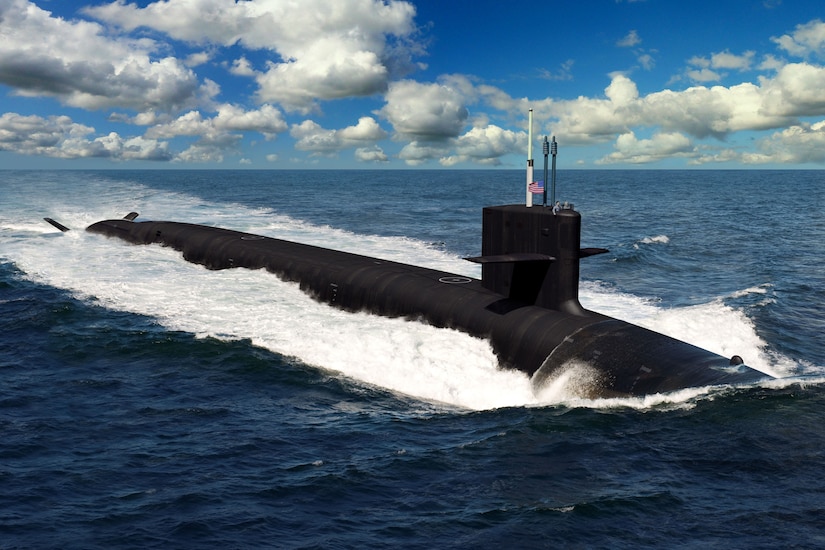
- The current modernization effort, including programs like the B-21 Raider bomber and Columbia-class submarines, is estimated to cost over $1 trillion over 30 years.
- Recent geopolitical tensions, such as Russia's invasion of Ukraine and China's nuclear buildup, have heightened concerns about nuclear deterrence and arms race dynamics.
What Happens Next
Congress will likely review and debate funding requests for nuclear modernization programs in upcoming defense budget cycles. The Department of Defense may release detailed plans or timelines for specific upgrades, potentially in the 2025 Nuclear Posture Review. International reactions, including from Russia and China, could lead to increased diplomatic discussions or further arms development.
Frequently Asked Questions
The nuclear triad refers to the three components of U.S. strategic nuclear forces: land-based missiles, submarine-launched missiles, and air-delivered weapons. This structure ensures survivability and flexibility in deterring attacks, as an adversary would need to disable all three systems simultaneously.
Upgrades are deemed urgent due to aging infrastructure and emerging dual threats from near-peer adversaries like Russia and China. Modernization aims to maintain technological superiority and reliability, as some current systems are decades old and may become vulnerable to new defenses.
Upgrading the triad could complicate arms control efforts, as it may be perceived as escalatory by other nuclear powers. However, proponents argue that a credible deterrent supports stability and could incentivize negotiations from a position of strength.
Key challenges include the enormous financial cost, which competes with other defense and domestic priorities, and technical hurdles in developing new systems. Additionally, political opposition and arms control advocacy may slow or alter implementation.