
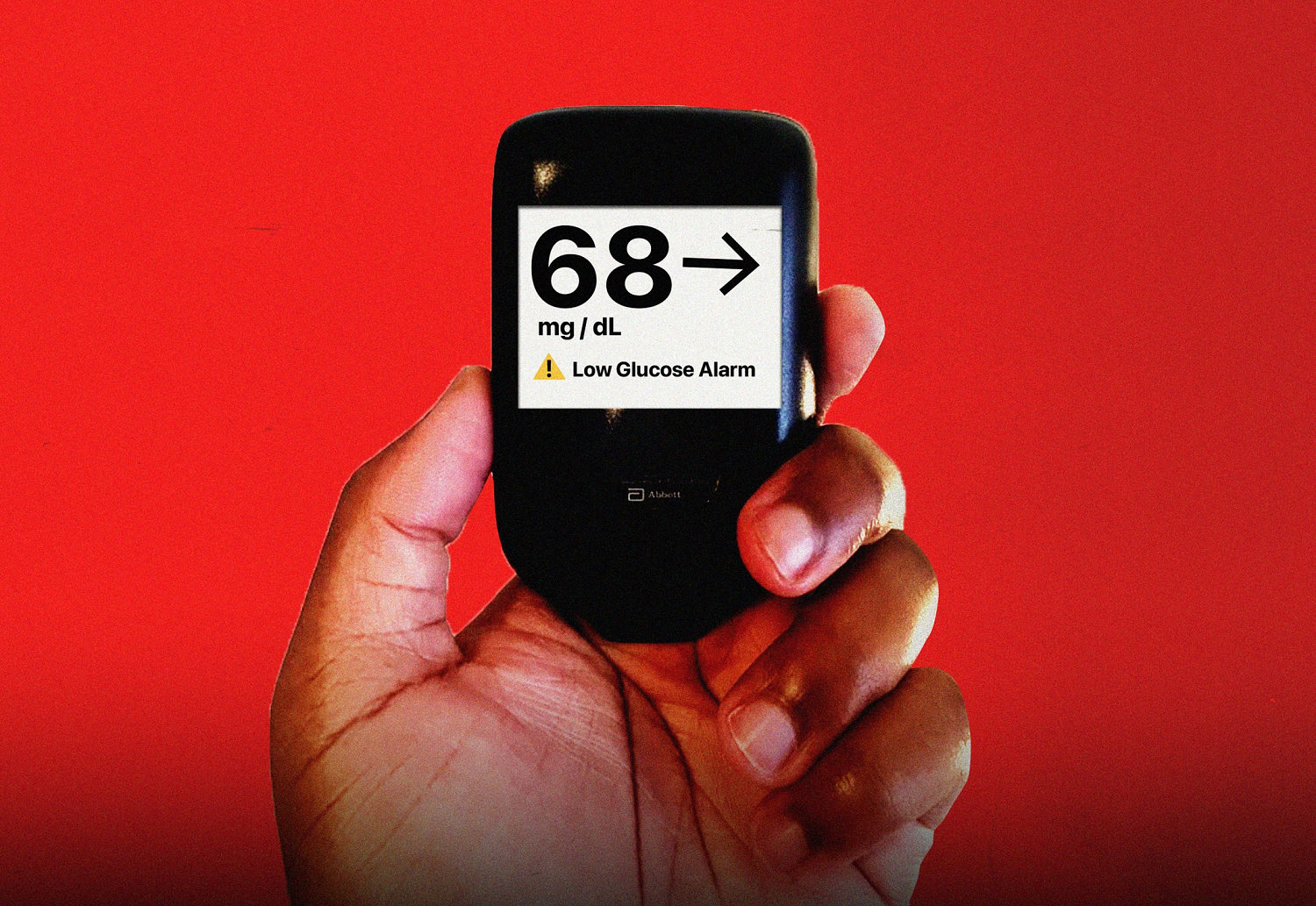
Diabetics who rely on glucose monitors are alarmed by recall linked to 7 deaths
#glucose monitors #FDA recall #diabetes #medical device safety #patient deaths #health risks #medical alert
📌 Key Takeaways
- FDA recalls glucose monitors due to potential inaccurate readings.
- Recall linked to 7 reported deaths, raising safety concerns.
- Diabetic patients express alarm over device reliability and health risks.
- Incident highlights critical need for accurate medical device monitoring.
📖 Full Retelling
🏷️ Themes
Medical Device Safety, Public Health Alert
Entity Intersection Graph
No entity connections available yet for this article.
Deep Analysis
Why It Matters
This recall directly impacts millions of diabetics who depend on continuous glucose monitors (CGMs) for daily management of their condition, potentially putting them at immediate risk of inaccurate readings that could lead to dangerous insulin dosing decisions. The link to 7 deaths elevates this from a routine product recall to a critical public health safety issue that requires urgent attention from both regulators and healthcare providers. This situation undermines patient trust in medical technology that has become essential for modern diabetes care, particularly for those with Type 1 diabetes who require constant monitoring to prevent life-threatening complications.
Context & Background
- Continuous glucose monitors (CGMs) have revolutionized diabetes management over the past decade, allowing real-time tracking of blood sugar levels without frequent fingerstick tests
- The global CGM market has grown rapidly, with major manufacturers including Dexcom, Abbott (FreeStyle Libre), and Medtronic dominating the industry
- Previous medical device recalls in diabetes care have included insulin pumps and glucose test strips, but fatalities linked directly to monitor failures are relatively rare
- Regulatory bodies like the FDA require manufacturers to report adverse events and initiate recalls when devices pose serious health risks
What Happens Next
The FDA will likely expand its investigation into the specific device failures and may issue additional warnings or requirements for manufacturers. Affected patients will need to switch to alternative monitoring methods while the company addresses the technical issues, potentially causing supply chain disruptions for replacement devices. Class action lawsuits against the manufacturer are probable given the fatalities, and regulatory scrutiny of all CGM devices may increase in the coming months.
Frequently Asked Questions
Patients should immediately stop using the recalled devices and contact their healthcare provider for alternative monitoring options, which may include traditional fingerstick glucose testing or switching to a different CGM brand. They should also report any adverse events to the FDA's MedWatch program.
Inaccurate readings can cause patients to administer incorrect insulin doses - too much insulin leads to dangerous hypoglycemia (low blood sugar) that can cause seizures or loss of consciousness, while too little insulin results in hyperglycemia (high blood sugar) that can lead to diabetic ketoacidosis, organ damage, or coma over time.
The article doesn't specify the exact models, but patients should check the FDA's recall database and manufacturer notifications for their specific device. Recalls typically affect specific lot numbers or production dates rather than entire product lines.
Recalls occur periodically in diabetes technology, though most involve software updates or minor component replacements rather than life-threatening failures. The severity of this recall is unusual due to the direct link to multiple fatalities.
This incident will likely lead to stricter pre-market testing requirements and post-market surveillance for all glucose monitoring devices. Manufacturers may face increased regulatory scrutiny and potentially slower approval processes for new devices as safety protocols are reinforced.