Digital forensics may provide crucial leads despite DNA challenges in the Guthrie case
Experts emphasize that phones and digital devices leave trails even when criminals try to hide them
The Guthrie family has announced a $1 million reward for information leading to her recovery
Digital forensics previously helped solve the University of Idaho murders case
📖 Full Retelling
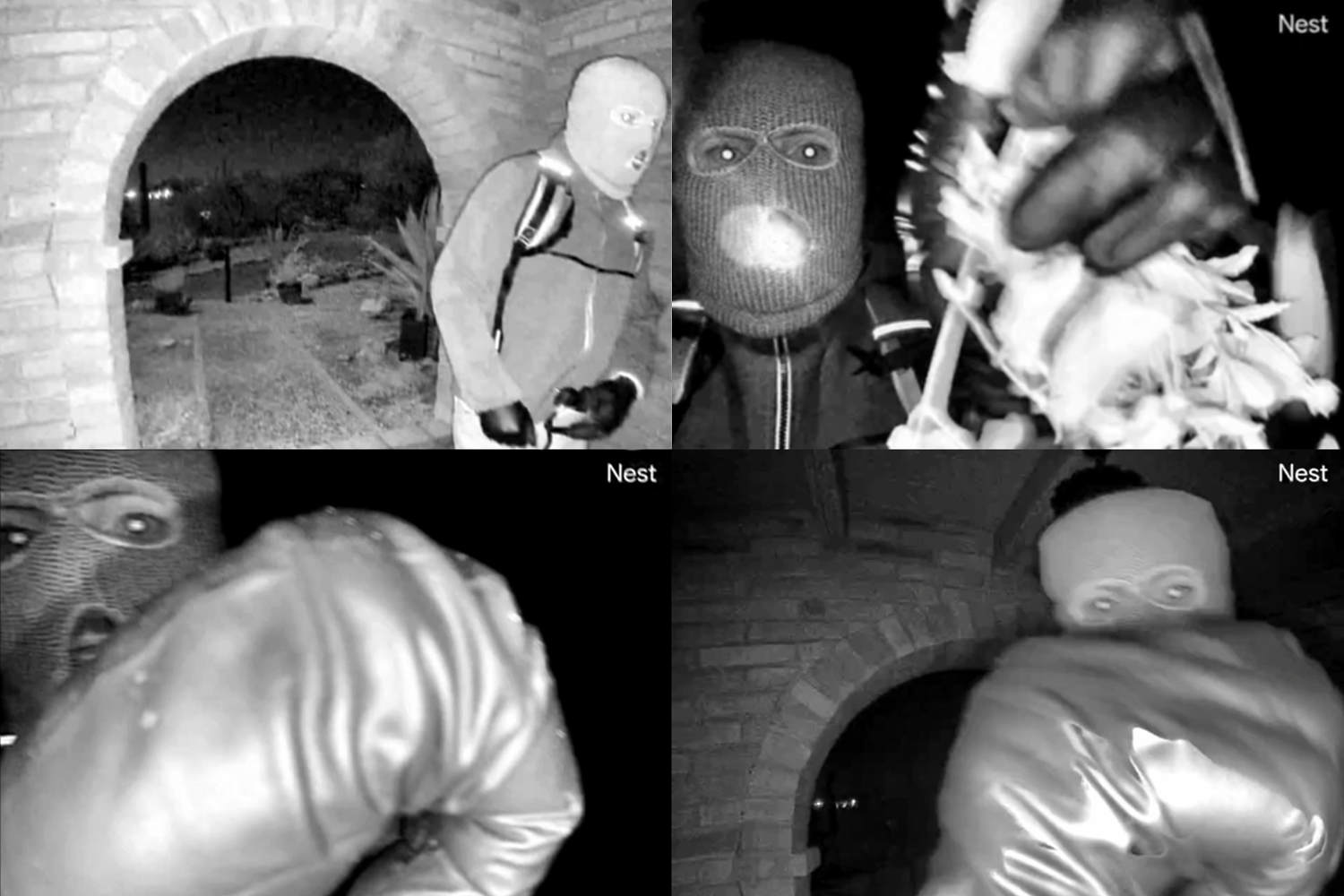
As the investigation into Nancy Guthrie's disappearance continues in Pima County with no suspect publicly identified and challenges with DNA evidence, digital forensics experts suggest the technology could help 'paint a picture of truth' in the case nearly five weeks after the 84-year-old was reported missing on February 1, 2026. Authorities have remained largely silent about digital evidence in the investigation, but Heather Barnhart, a digital forensics expert with the SANS Institute and Cellebrite who worked on the University of Idaho slayings case, believes whoever is responsible for Guthrie's disappearance left a digital trail. 'People forget how much their data spreads across devices. So the same thing that makes investigations hard make it hard for criminals to clean up,' Barnhart explained, noting that digital forensics involves analyzing data from digital devices and the far-reaching corners of the internet and cloud services. Guthrie's family has announced a $1 million reward for information leading to her recovery as concern mounts, while investigators face obstacles including DNA evidence from gloves found two miles from Guthrie's home that turned up no hits in CODIS, the FBI's convicted offender DNA database. Barnhart emphasized that 'your phone is the silent witness to your life. It knows everything you do,' and that forming patterns and identifying anomalies in digital footprints is crucial for solving such cases. In the University of Idaho murders case, which Barnhart also worked on, digital forensics helped establish Bryan Kohberger's timeline by showing he manually powered down his phone before the killings and kept it offline until after the victims' deaths. Despite challenges with DNA samples in the Guthrie case, Pima County Sheriff Chris Nanos remains committed to finding answers, stating 'We're not going to give up. We're going to find Nancy, and we're going to find out who did this.'
🏷️ Themes
Digital Forensics, Criminal Investigation, Missing Persons Case
# Disappearance of Nancy Guthrie
**Nancy Guthrie**, an 84-year-old resident of Catalina Foothills, Arizona, was reported missing from her home on February 1, 2026. The case transitioned from a missing person report to a criminal investigation after evidence found at her residence indicated the invo...
Digital forensics (sometimes known as digital forensic science) is a branch of forensic science encompassing the recovery, investigation, examination, and analysis of material found in digital devices, often in relation to mobile devices and computer crime. The term "digital forensics" was originall...
Technique used to identify individuals via DNA characteristics
DNA profiling (also called DNA fingerprinting and genetic fingerprinting) is the process of determining an individual's deoxyribonucleic acid (DNA) characteristics. DNA analysis intended to identify a species, rather than an individual, is called DNA barcoding.
DNA profiling is a forensic technique ...
Person who has disappeared and whose status as alive or dead cannot be confirmed
A missing person is a person who has disappeared and whose status as alive or dead cannot be confirmed as their location and condition are unknown. A person may go missing through a voluntary disappearance, or else due to an accident, crime, or death in a location where they cannot be found (such as...
Digital forensics could be the tool that helps 'paint a picture of truth' in the Guthrie case “Your phone is the silent witness to your life. It knows everything you do,” said a digital forensics expert who worked on the University of Idaho slayings. Kash Patel via X Share Add NBC News to Google Feb. 28, 2026, 9:03 AM EST By Dana Griffin and Marlene Lenthang Listen to this article with a free account 00:00 00:00 As the investigation into Nancy Guthrie’s disappearance continues with no suspect publicly identified and challenges with DNA evidence, experts may turn to digital forensics. Authorities have said little about digital evidence in the case, but one leading expert has no doubt that whoever is responsible for the 84-year-old’s disappearance left a digital trail. “People forget how much their data spreads across devices. So the same thing that makes investigations hard make it hard for criminals to clean up,” said Heather Barnhart, a digital forensics expert with the SANS Institute and Cellebrite. Barnhart helped investigate the University of Idaho murders , for which Bryan Kohberger was sentenced to four life sentences. Barnhart is not involved in the Guthrie investigation. “Your phone is the silent witness to your life. It knows everything you do,” Barnhart said. “So forming those patterns and then looking for any anomaly of someone trying to hide their digital footprint is key here.” More coverage of Nancy Guthrie's disappearance Genetic genealogy brings promise and challenges to the Nancy Guthrie case What could come next in the investigation into Guthrie’s disappearance Guthrie’s home will be returned to the family as search stretches into fourth week, sources say ‘TODAY’ co-host Savannah Guthrie releases new plea for information as FBI reviews tons of video in her mother’s case What we know about the search for Nancy Guthrie It’s been nearly five weeks since Guthrie, the mother of “TODAY” co-anchor Savannah Guthrie, was reported missing on Feb. 1. Since th...