
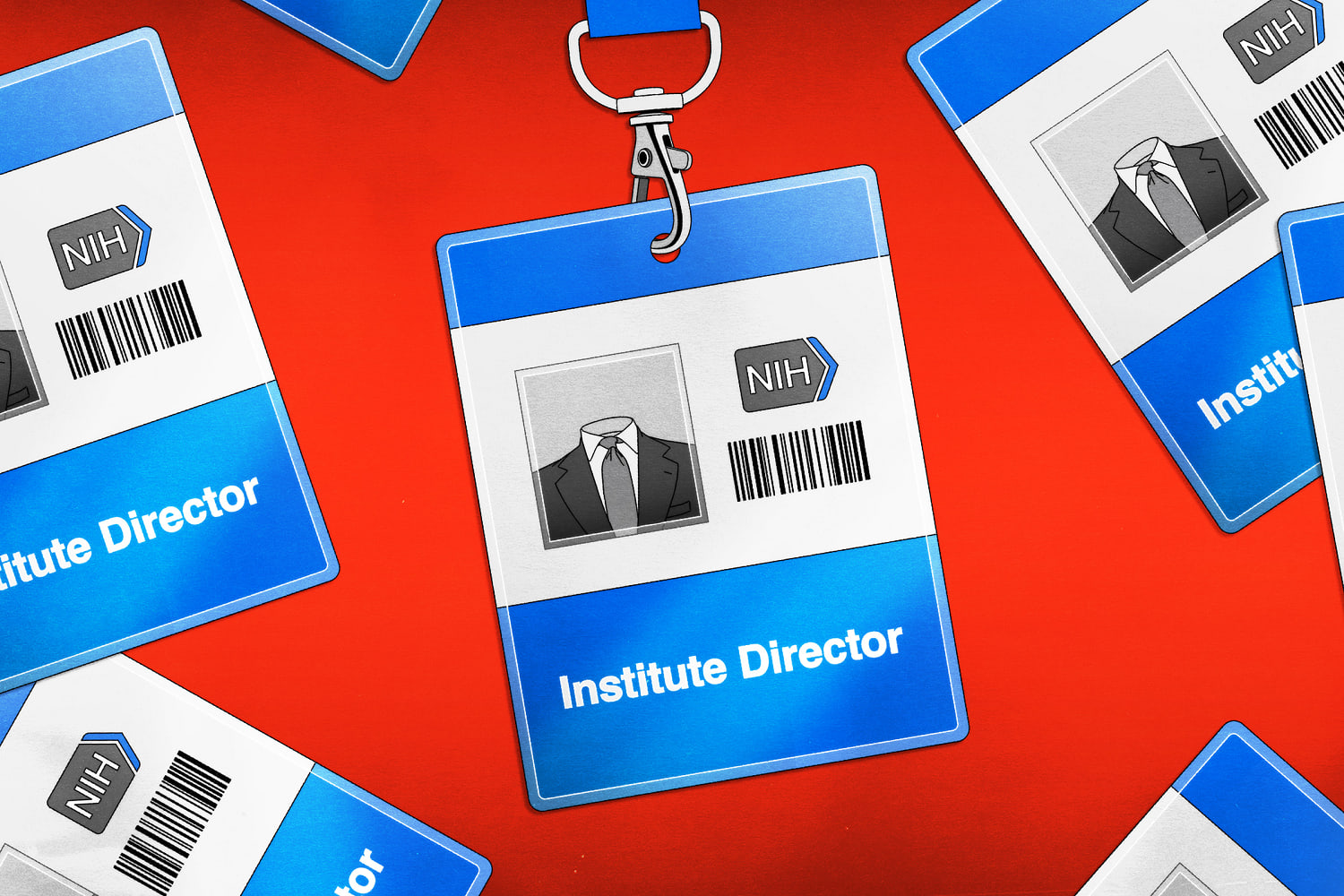
Director vacancies at the NIH give Trump administration an opportunity to exert control
#NIH #Trump administration #Director vacancies #Research policy #Scientific leadership #Government control #Health research
📌 Key Takeaways
- Over half of NIH institutes lack permanent directors
- Trump administration has opportunity to reshape NIH leadership
- This creates a power vacuum at a critical federal agency
- Leadership changes could impact research priorities and funding
📖 Full Retelling
The Trump administration is seizing an unusual opportunity to reshape the National Institutes of Health (NIH) as more than half of the agency's 27 institutes and centers remain without permanent directors, creating a power vacuum that the current government can fill with aligned leadership. The NIH, the primary federal agency for biomedical and public health research, has been operating with numerous interim leadership positions during a critical period when scientific research faces increased political scrutiny and budgetary constraints. With at least 14 of the institutes lacking permanent directors since the beginning of the Trump term, the administration has been able to install acting officials who may share its priorities regarding research funding, regulatory approaches, and scientific directions. This unprecedented situation at one of the world's premier research institutions allows for significant influence over billions of dollars in research grants and the direction of medical innovation without the traditional checks and balances provided by Senate-confirmed directors. The vacancies have persisted despite the critical importance of the NIH in addressing public health challenges, from infectious diseases to chronic conditions, and maintaining America's competitiveness in biomedical research.
🏷️ Themes
Political influence, Government vacancies, Scientific policy
Entity Intersection Graph
No entity connections available yet for this article.
Original Source
More than half of the National Institutes of Health's 27 institutes and centers are missing permanent directors, giving the Trump administration an unusual opportunity to reshape NIH.
Read full article at source