
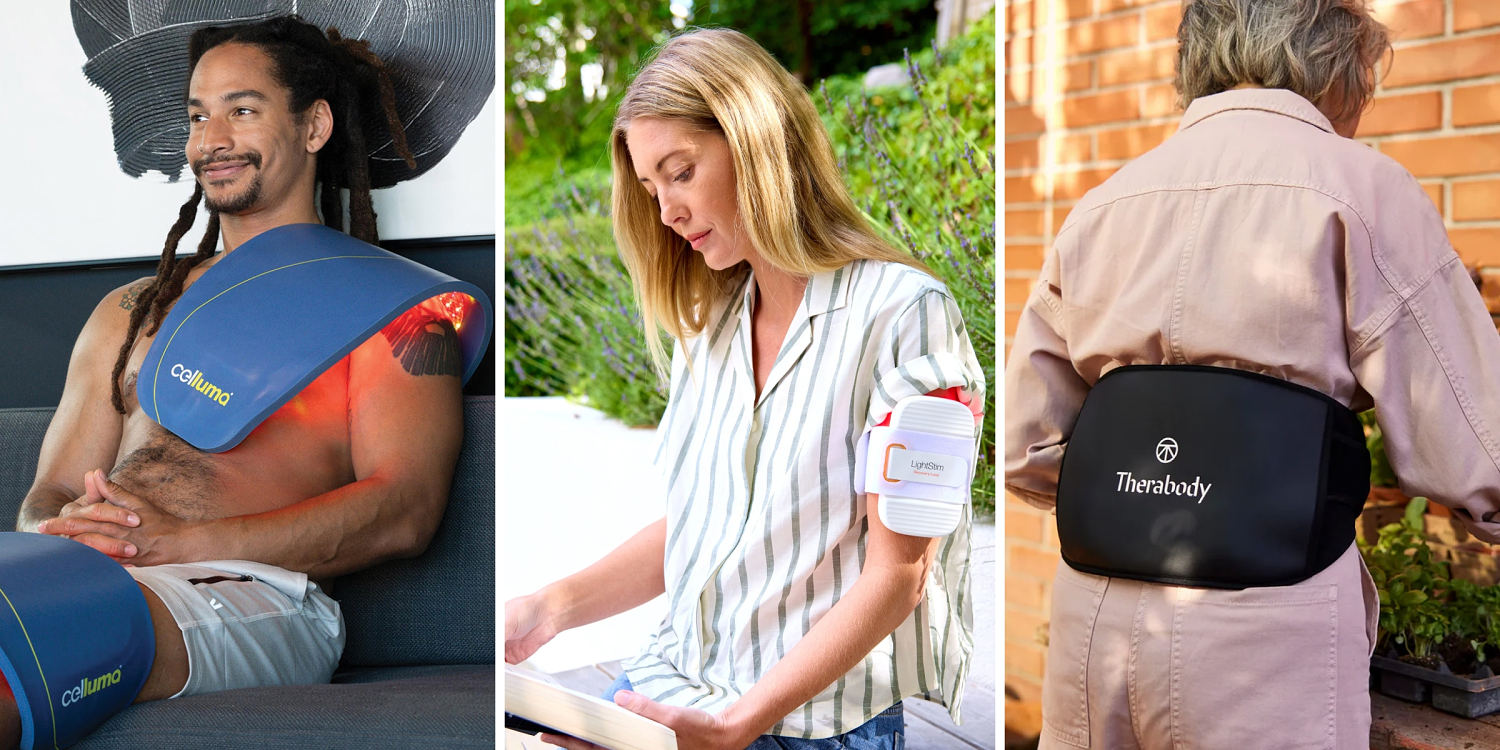
Does red light therapy help with recovery?
#Red light therapy #Photobiomodulation #Recovery #Pain management #FDA-cleared #Blood flow #Inflammation
📌 Key Takeaways
- Red light therapy increases blood flow and reduces inflammation
- It should complement, not replace, traditional recovery methods
- FDA-cleared devices are recommended for safety
- Results vary and it's not a shortcut for proper recovery
📖 Full Retelling
🏷️ Themes
Recovery methods, Alternative therapies, Medical technology
📚 Related People & Topics
Hemodynamics
Dynamics of blood flow
Hemodynamics or haemodynamics are the dynamics of blood flow. The circulatory system is controlled by homeostatic mechanisms of autoregulation, just as hydraulic circuits are controlled by control systems. The hemodynamic response continuously monitors and adjusts to conditions in the body and its e...

Pain management
Interdisciplinary approach for easing pain
Pain management is an aspect of medicine and health care involving relief of pain (pain relief, analgesia, pain control) in various dimensions, from acute and simple to chronic and challenging. Most physicians and other health professionals provide some pain control in the normal course of their pra...

Low-level laser therapy
Treatment using irradiation with light of low power intensity
Low-level laser therapy (LLLT), cold laser therapy or photobiomodulation (PBM) is a photochemical reaction-based medical treatment that applies low-level (low-power) lasers or light-emitting diodes (LEDs) to the surface of the body without damaging tissue. Proponents claim that this treatment stimul...
Entity Intersection Graph
No entity connections available yet for this article.
Mentioned Entities
Deep Analysis
Why It Matters
Red light therapy is gaining popularity as a recovery tool for athletes and individuals seeking pain relief. This analysis examines its potential benefits, limitations, and what to consider when using these devices, emphasizing that it's best used as a complement to established recovery strategies.
Context & Background
- Red light therapy (photobiomodulation) is a growing trend in wellness and recovery.
- Athletes are increasingly adopting red light therapy for its perceived benefits.
- The market offers various red light therapy devices targeting different needs and body parts.
What Happens Next
Further research is needed to fully understand the long-term effects and optimal protocols for red light therapy. As the technology evolves, we can expect more studies and potentially refined device designs.
Frequently Asked Questions
No, red light therapy is not a replacement. It's best used as a complementary tool alongside proper nutrition, hydration, sleep, and exercise.
Potential benefits include increased blood flow, reduced inflammation, and support for tissue healing.
No. FDA-cleared devices with appropriate wavelengths (red and near-infrared) are generally considered more reliable. Device features like portability and versatility also vary.
Consult with a healthcare provider, especially if you have underlying health conditions or are taking medications.