
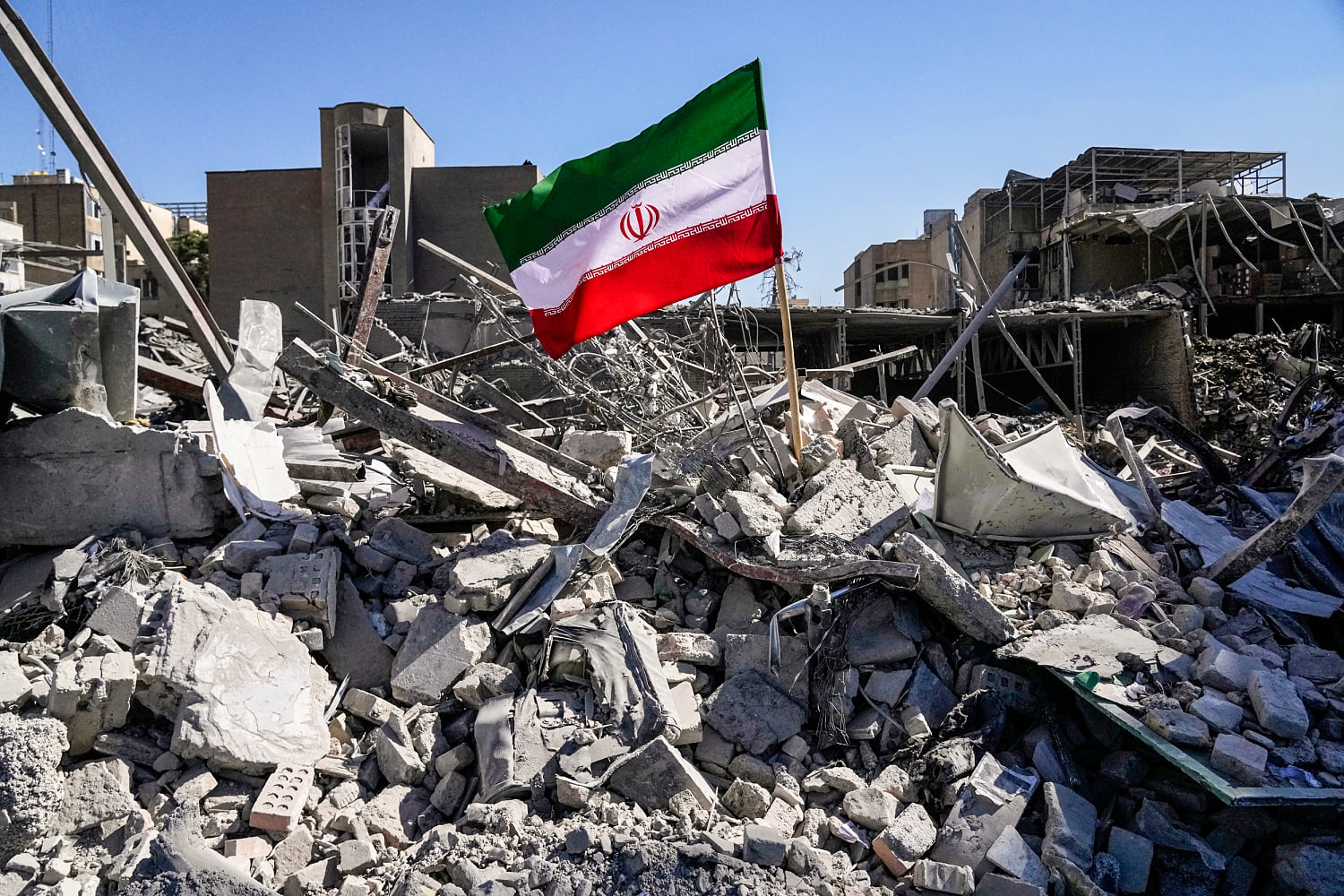
'Either freedom or death': Young Iranian man says he's willing to die for democracy
#Iran #democracy #freedom #protest #political change #youth activism #sacrifice
📌 Key Takeaways
- A young Iranian man expresses willingness to die for democracy, using the phrase 'Either freedom or death'.
- The statement reflects deep-seated discontent with the current political system in Iran.
- It highlights the ongoing struggle for democratic reforms and personal freedoms in the country.
- The sentiment underscores the risks and sacrifices individuals are prepared to make for political change.
📖 Full Retelling
🏷️ Themes
Political Protest, Democracy Movement
📚 Related People & Topics

Iran
Country in West Asia
# Iran **Iran**, officially the **Islamic Republic of Iran** and historically known as **Persia**, is a sovereign country situated in West Asia. It is a major regional power, ranking as the 17th-largest country in the world by both land area and population. Combining a rich historical legacy with a...
Entity Intersection Graph
Connections for Iran:
Mentioned Entities
Deep Analysis
Why It Matters
This statement reflects the growing desperation and determination among Iran's youth for political change, highlighting the deep generational divide in the country. It matters because it signals potential for continued unrest and challenges to the Islamic Republic's authority, affecting Iran's 85 million citizens and regional stability. The international community watches closely as such sentiments could influence diplomatic relations, sanctions policies, and global energy markets. Families of protesters face immediate risks while the government must balance repression with maintaining control.
Context & Background
- Iran has experienced periodic waves of protests since the 2009 Green Movement, with the most significant being the 2022-2023 Mahsa Amini protests that lasted months
- The median age in Iran is 32, with over 60% of the population under 30, creating a significant demographic pressure for change
- Iran's political system combines democratic elements (elections) with theocratic control through the Guardian Council and Supreme Leader
- Economic sanctions since 2018 have worsened living standards, particularly affecting young people's employment prospects
- The Islamic Republic has survived 45 years through a combination of repression, ideological commitment, and strategic concessions
What Happens Next
Increased surveillance and potential crackdowns on dissent ahead of the 2025 presidential election. Continued underground organizing through social media despite internet restrictions. Possible escalation if economic conditions worsen or another triggering event occurs. International human rights organizations will likely document and condemn any violent suppression of protests.
Frequently Asked Questions
Young Iranians face 50% youth unemployment, severe social restrictions, and limited political representation despite being the majority population. They have grown up with internet access showing life in other countries, creating expectations the current system cannot meet.
The government employs internet shutdowns, arrests, and sometimes lethal force against protesters while labeling them as foreign agents. It also organizes counter-demonstrations and uses state media to discredit dissent as un-Islamic or Western-inspired.
Platforms like Instagram and Telegram (both officially blocked but widely used via VPNs) enable organization and documentation of protests. The government constantly battles to control online discourse while activists develop new circumvention methods.
While no movement has overthrown the government since 1979, protests have forced policy changes like the 2022 headscarf law enforcement being reduced. Each wave builds experience and networks for future organizing, gradually changing social norms.
Western governments generally express support for protesters' rights but avoid direct intervention to prevent destabilization. Sanctions target human rights abuses but don't specifically aid opposition groups, reflecting caution about regime change consequences.