
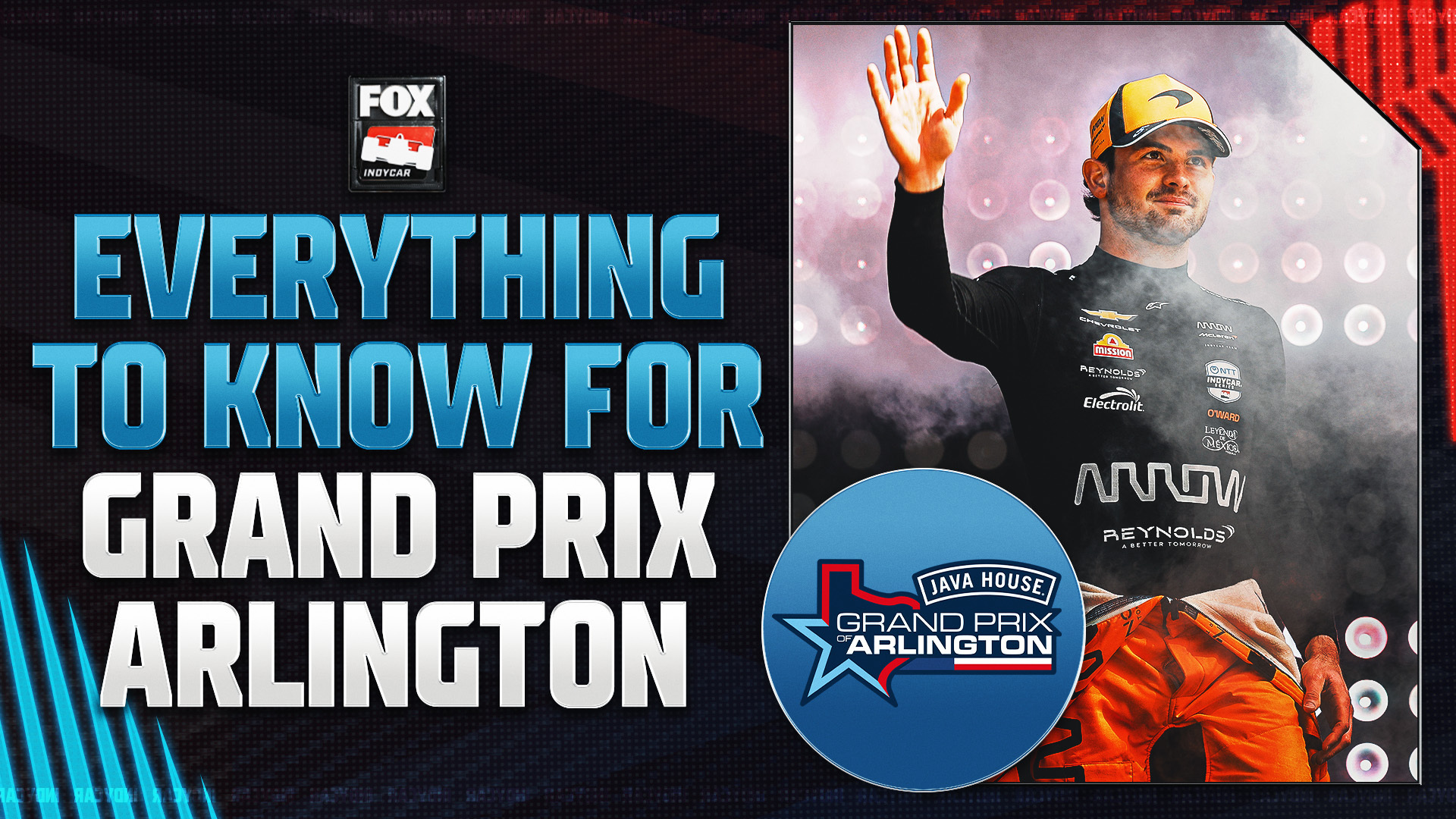
Everything To Know For Inaugural INDYCAR Race Around Cowboys Stadium
#INDYCAR #Arlington Grand Prix #AT&T Stadium #street course #simulator #Alexander Rossi #Dallas Cowboys
📌 Key Takeaways
- INDYCAR debuts a 2.73-mile street course around AT&T Stadium and Globe Life Stadium in Arlington, Texas.
- Drivers lack experience on the new track, with simulators using only GPS data instead of surface scans, limiting preparation.
- The event benefits from the marketing power of the Dallas Cowboys organization.
- Alexander Rossi notes that teams will start from zero in determining brake points, grip levels, and track lines during the race weekend.
📖 Full Retelling
🏷️ Themes
Motor Sports, Event Debut
Entity Intersection Graph
No entity connections available yet for this article.
Deep Analysis
Why It Matters
This inaugural INDYCAR race around Cowboys Stadium represents a significant expansion of the series into new markets with major branding power. It matters because it brings premier open-wheel racing to a major metropolitan area with the marketing muscle of the Dallas Cowboys organization behind it, potentially attracting new fans and sponsors. The event affects INDYCAR teams and drivers who must adapt to a completely unknown circuit, local businesses in Arlington that benefit from tourism, and motorsports fans in Texas who gain access to top-tier racing without traveling to traditional venues. The success or failure of this event could influence whether INDYCAR pursues more temporary street circuits around major sports venues in other cities.
Context & Background
- INDYCAR has historically raced at permanent road courses like Road America and street circuits like Long Beach, but this marks the first time the series has designed a course specifically around NFL and MLB stadiums
- The Dallas Cowboys are the most valuable sports franchise in the world ($9 billion valuation), giving this event unprecedented marketing resources compared to typical INDYCAR races
- Texas has a rich motorsports history with events like the Texas Motor Speedway oval races, but this represents the first major open-wheel street circuit event in the Dallas-Fort Worth metroplex
- INDYCAR has been expanding its calendar in recent years with new events like the Music City Grand Prix in Nashville, seeking to grow its audience beyond traditional markets
- Temporary street circuits present unique challenges including surface variations, temporary barriers, and limited setup data compared to permanent facilities
What Happens Next
The race weekend will proceed with limited practice sessions where teams must quickly gather data on the new circuit's characteristics. Following the inaugural event, INDYCAR and local organizers will evaluate attendance, television ratings, and economic impact to determine if the race becomes an annual fixture on the schedule. Driver feedback about the circuit's safety and racing quality will influence potential modifications for future editions. If successful, similar stadium-based circuits could be developed in other cities with major sports franchises looking to host INDYCAR events.
Frequently Asked Questions
The track presents unique challenges because no surface scans exist, meaning simulators use only GPS data without modeling bumps or grip variations. Drivers must discover braking points, optimal lines, and surface characteristics during actual practice sessions rather than through extensive simulation preparation.
The Dallas Cowboys' marketing power provides unprecedented promotional resources and brand recognition that most INDYCAR events lack. Their involvement likely helps secure corporate sponsorships, attracts casual sports fans, and ensures high production values for the inaugural event.
The 2.73-mile course uniquely winds around two major sports venues—AT&T Stadium (Cowboys) and Globe Life Field (Rangers)—creating a distinctive urban circuit. With 14 turns (9 right, 5 left), it offers an asymmetrical challenge different from traditional road courses.
Teams will rely heavily on real-time data collection during practice sessions and make rapid setup adjustments. Engineers will monitor tire wear, suspension performance, and driver feedback more closely than at established circuits where they have historical data.
If successful, this stadium-based circuit could inspire similar events in other cities with major sports franchises. The model offers potential for cross-promotion between motorsports and professional sports teams while utilizing existing infrastructure in urban areas.