
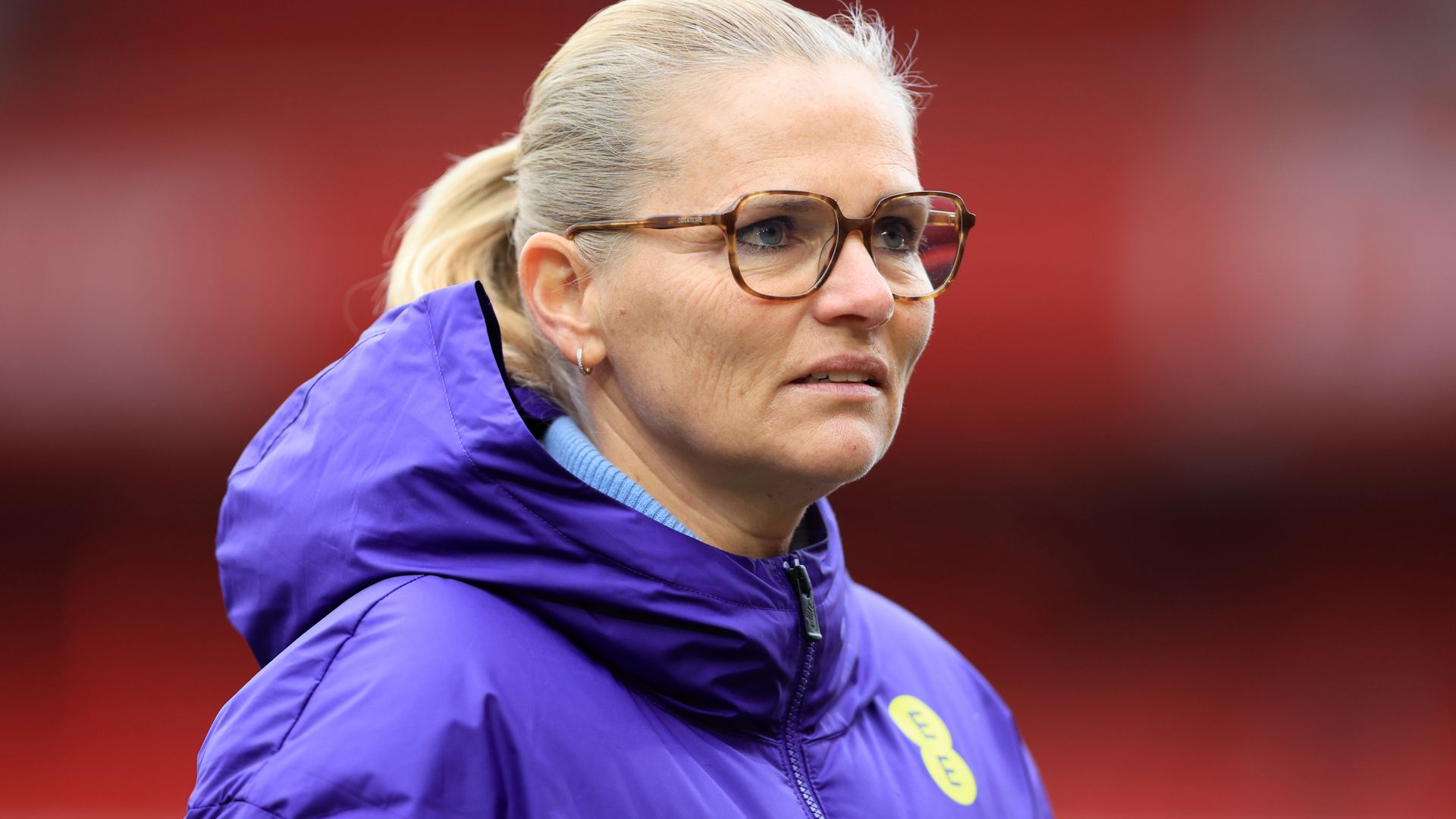
FIFA passes landmark rule to address shortage of women coaches
#FIFA #women coaches #shortage #landmark rule #football #gender equality #coaching
📌 Key Takeaways
- FIFA approved a new rule to increase the number of women coaches globally.
- The rule aims to address the significant shortage of female coaches in football.
- It represents a landmark regulatory change by the sport's governing body.
- The initiative is part of broader efforts to promote gender equality in football.
📖 Full Retelling
🏷️ Themes
Gender Equality, Sports Policy
📚 Related People & Topics

FIFA
International governing body of association football
The Fédération Internationale de Football Association (FIFA; lit. 'International Association Football Federation' or 'International Federation of Association Football') is an international self-regulatory governing body of association football, beach football, and futsal. It was founded on 21 May 19...
Entity Intersection Graph
Connections for FIFA:
View full profileMentioned Entities
Deep Analysis
Why It Matters
This rule is important because it directly tackles the severe underrepresentation of women in coaching roles within global football, which has limited career pathways and role models for aspiring female coaches and players. It affects national football associations, clubs, and coaching bodies by mandating proactive inclusion measures, potentially improving team dynamics and performance through diverse leadership. The move also signals FIFA's commitment to gender equity in the sport's governance and on-field operations, influencing grassroots to professional levels worldwide.
Context & Background
- Women's football has grown rapidly in popularity and investment, but coaching roles remain disproportionately held by men, with only about 7% of UEFA Pro License holders being women as of recent reports.
- FIFA and other bodies like UEFA have previously introduced voluntary initiatives, such as mentorship programs and quotas for women on committees, but mandatory rules for coaching positions are a newer, more forceful approach.
- Historical barriers include limited access to high-level coaching licenses, networking opportunities, and entrenched biases in hiring practices across many football associations.
What Happens Next
National associations will need to develop and implement compliance plans, likely starting with reporting requirements and gradual integration of women into coaching setups. FIFA may monitor progress through audits and could impose sanctions for non-compliance, with initial reviews expected within 1-2 years. This could lead to increased demand for women's coaching education programs and potential pushback or adaptation challenges in regions with less developed women's football infrastructure.
Frequently Asked Questions
While the article summary does not detail specifics, such rules typically involve quotas or targets for women in coaching roles, mandatory inclusion in hiring processes, and support for coaching education. They aim to ensure women have equitable opportunities in national team and club environments overseen by FIFA members.
The rule is designed to create more opportunities for women, not remove men from roles, so it may increase competition but also foster diverse coaching teams. Men in positions are unlikely to be displaced directly, but hiring practices may prioritize gender balance in future vacancies or new roles.
Regions with historically low representation of women coaches, such as some parts of Asia, Africa, and South America, may face greater challenges in compliance due to cultural or structural barriers. Conversely, areas like Europe and North America with more advanced women's football programs might adapt more quickly.
Based on similar FIFA policies, it likely targets top-tier national teams and professional clubs under FIFA's jurisdiction, but details on grassroots or youth levels would depend on the rule's full text. Implementation may be phased, starting with senior national teams and expanding over time.
FIFA typically offers resources like funding for coaching courses, mentorship schemes, and technical assistance to help associations meet such targets. They may also share best practices from pioneering countries to ease the transition and ensure sustainable integration.