
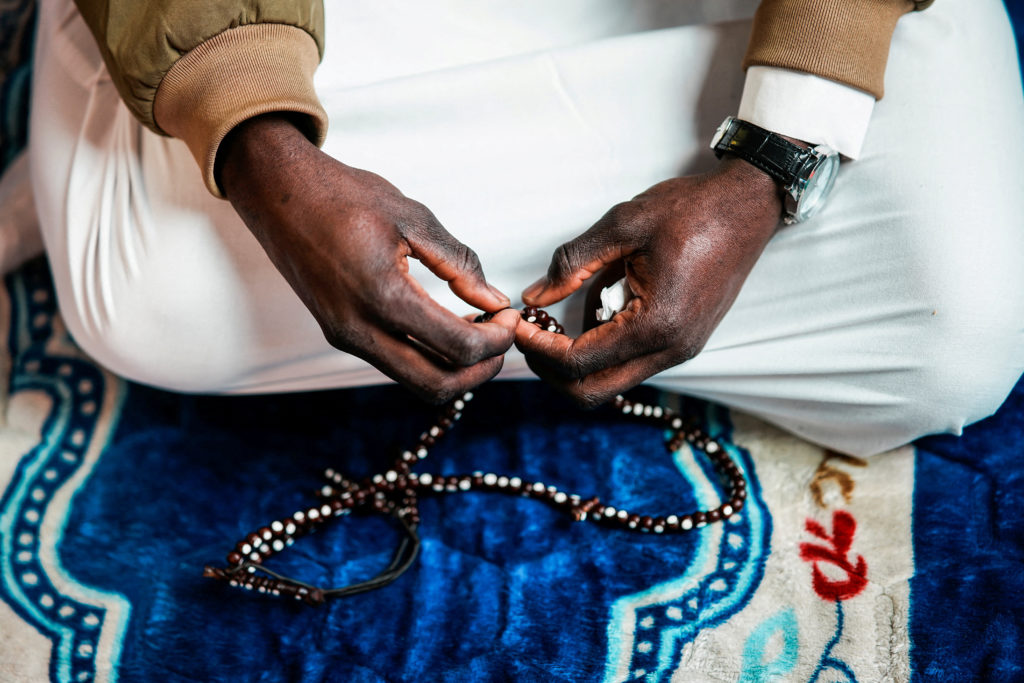
For U.S. Muslims, immigration crackdowns, new war and anti-Muslim rhetoric cloud Ramadan
#U.S. Muslims #Ramadan #immigration crackdowns #Gaza war #anti-Muslim rhetoric #religious observance #community distress
📌 Key Takeaways
- U.S. Muslims face heightened challenges during Ramadan due to immigration crackdowns.
- The new war in Gaza adds to the distress and anxiety for the community.
- Anti-Muslim rhetoric in the U.S. further clouds the holy month's observance.
- These factors collectively impact the spiritual and communal aspects of Ramadan.
📖 Full Retelling
🏷️ Themes
Immigration, Conflict, Discrimination
📚 Related People & Topics

Gaza war
Ongoing armed conflict in the Middle East
The Gaza war is an armed conflict in the Gaza Strip and Israel, fought as part of the unresolved Israeli–Palestinian and Gaza–Israel conflicts. The war began on 7 October 2023, when the Palestinian militant group Hamas led a surprise attack on Israel, in which 1,195 Israelis and foreign nationals we...

Ramadan
Month-long fasting event in Islam
Ramadan is the ninth month of the Islamic calendar. It is observed by Muslims worldwide as a month of fasting (sawm), communal prayer (salah), reflection, and community. It is also the month in which the Quran is believed to have been revealed to the Islamic prophet Muhammad.
Entity Intersection Graph
Connections for Gaza war:
View full profileMentioned Entities
Deep Analysis
Why It Matters
This news matters because it highlights how geopolitical conflicts and domestic political rhetoric directly impact the religious and cultural experiences of American Muslims during their holiest month. It affects approximately 3.45 million Muslims in the U.S. who navigate their faith practices amid external pressures, potentially influencing community cohesion, mental health, and interfaith relations. The intersection of immigration policies, international conflicts, and domestic discourse creates a challenging environment for religious observance and cultural expression.
Context & Background
- Ramadan is the ninth month of the Islamic lunar calendar, observed by Muslims worldwide through fasting, prayer, and community gatherings
- U.S. Muslim population has grown significantly since immigration reforms in 1965, with diverse backgrounds including South Asian, Arab, African American, and other communities
- Previous periods of tension include post-9/11 policies, travel bans during the Trump administration, and ongoing surveillance concerns affecting Muslim communities
- Current geopolitical conflicts like the Israel-Hamas war have heightened tensions and affected Muslim communities globally
What Happens Next
Increased community organizing around interfaith iftars (breaking fast meals) and advocacy efforts may emerge during Ramadan. Post-Ramadan, Muslim advocacy organizations will likely intensify lobbying against discriminatory policies. The Eid al-Fitr celebrations concluding Ramadan may see heightened security concerns and political statements from both community leaders and politicians.
Frequently Asked Questions
Anti-Muslim rhetoric can create safety concerns for mosques and community events, increase social isolation, and add psychological stress during what should be a spiritually focused month. Many Muslims report altering their public religious expressions, such as visible fasting or traditional dress, due to fear of discrimination or harassment.
Recent policies include increased visa restrictions, enhanced border security measures, and heightened scrutiny of immigration applications from predominantly Muslim countries. These measures particularly affect Muslim families with members abroad, students, and professionals seeking to visit or immigrate to the United States.
Communities are strengthening internal support networks through mental health resources, legal aid clinics, and security training for mosques. Many are also engaging in public education campaigns about Ramadan and Islam while building alliances with other faith groups and civil rights organizations.
No—impacts vary by factors including immigration status, ethnicity, geographic location, and socioeconomic status. Recent immigrants, visibly Muslim individuals (particularly women who wear hijab), and those from regions associated with current conflicts often face more significant challenges than established, assimilated communities.