
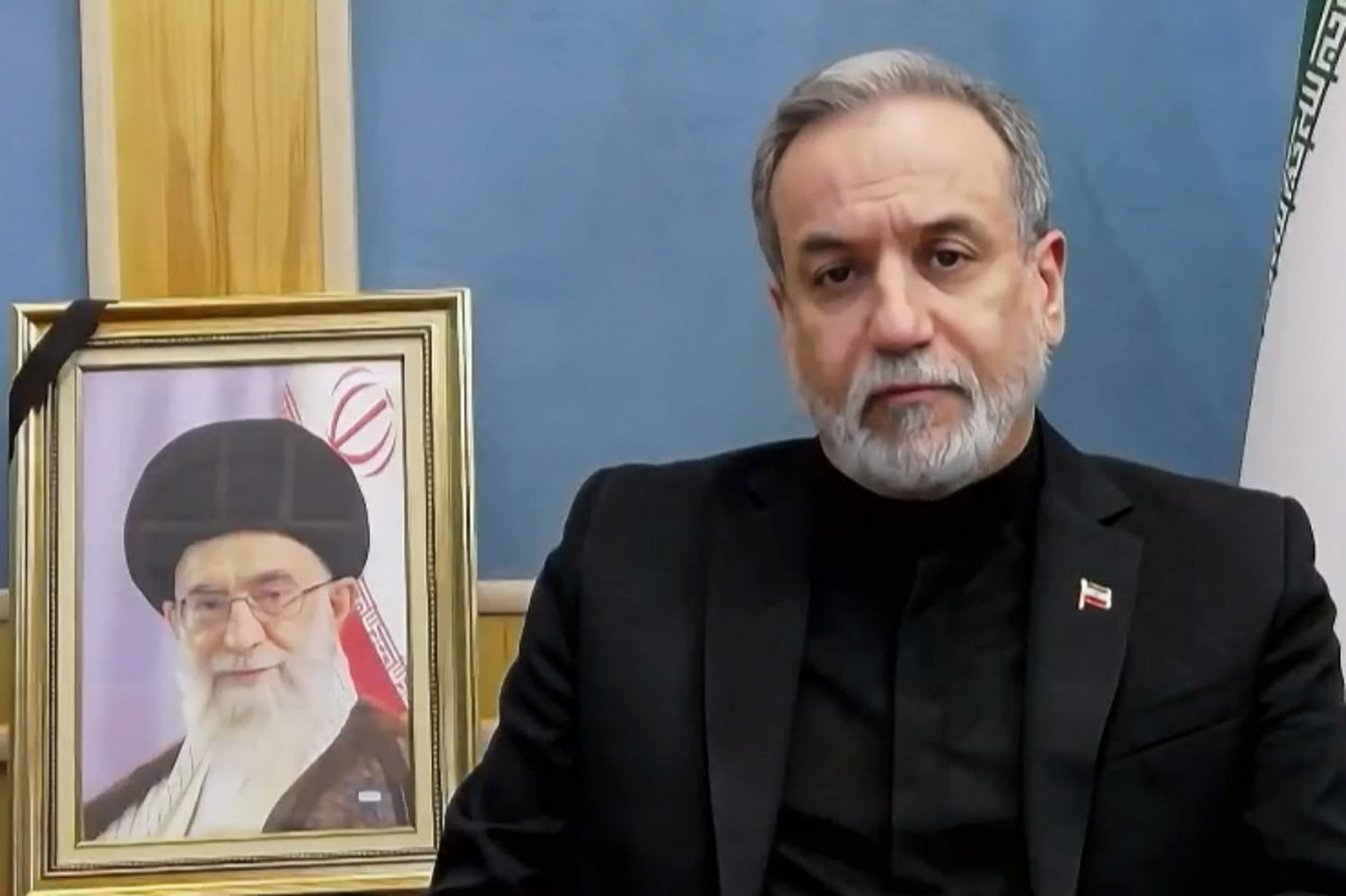
Foreign minister rejects ceasefire calls, saying Iran is fighting for 'the sake of our people'
#Iran #ceasefire #foreign minister #conflict #national defense #diplomacy #Middle East
📌 Key Takeaways
- Iran's foreign minister rejects international ceasefire calls
- He states Iran is fighting for the sake of its people
- The statement implies ongoing military or political conflict
- Iran positions its actions as defensive or protective
📖 Full Retelling
🏷️ Themes
Geopolitical Conflict, National Sovereignty
Entity Intersection Graph
No entity connections available yet for this article.
Deep Analysis
Why It Matters
This statement matters because it signals Iran's continued military engagement despite international pressure, potentially prolonging regional conflicts and humanitarian crises. It affects Iranian citizens who bear the costs of conflict, neighboring countries facing security threats, and global powers invested in Middle East stability. The rejection of ceasefire calls also complicates diplomatic efforts and could escalate tensions with Western nations seeking de-escalation.
Context & Background
- Iran has been involved in proxy conflicts across the Middle East, supporting groups in Syria, Yemen, Lebanon, and Iraq
- The country faces economic sanctions from Western nations over its nuclear program and regional activities
- Iran's government frequently frames foreign policy as defensive, citing historical threats to national sovereignty
- Previous ceasefire negotiations involving Iranian-backed forces have often stalled over regional influence concerns
What Happens Next
Continued military operations by Iranian-backed forces in conflict zones, increased diplomatic pressure from Western nations, potential new sanctions if conflicts escalate, and possible behind-the-scenes negotiations through intermediaries like Oman or Qatar. Regional tensions may rise if proxy attacks increase against U.S. or Israeli interests.
Frequently Asked Questions
Iran is likely referring to its involvement in Syria supporting the Assad regime, in Yemen backing Houthi rebels, and its support for militant groups in Iraq and Lebanon. These are regional conflicts where Iran maintains proxy forces and strategic interests.
Iran's government uses this narrative to justify external military engagements as defensive measures protecting national security. They argue that fighting abroad prevents threats from reaching Iranian soil and maintains regional influence crucial for economic and political stability.
This hardline position complicates nuclear negotiations as Western powers view regional aggression as inseparable from nuclear talks. It may delay or derail diplomatic progress unless Iran shows flexibility on both fronts simultaneously.
Yemen faces prolonged humanitarian crisis, Syria remains destabilized, Israel confronts Iranian proxies on its borders, and Gulf states like Saudi Arabia face security threats. The U.S. and European nations also deal with regional instability affecting energy markets and security.