
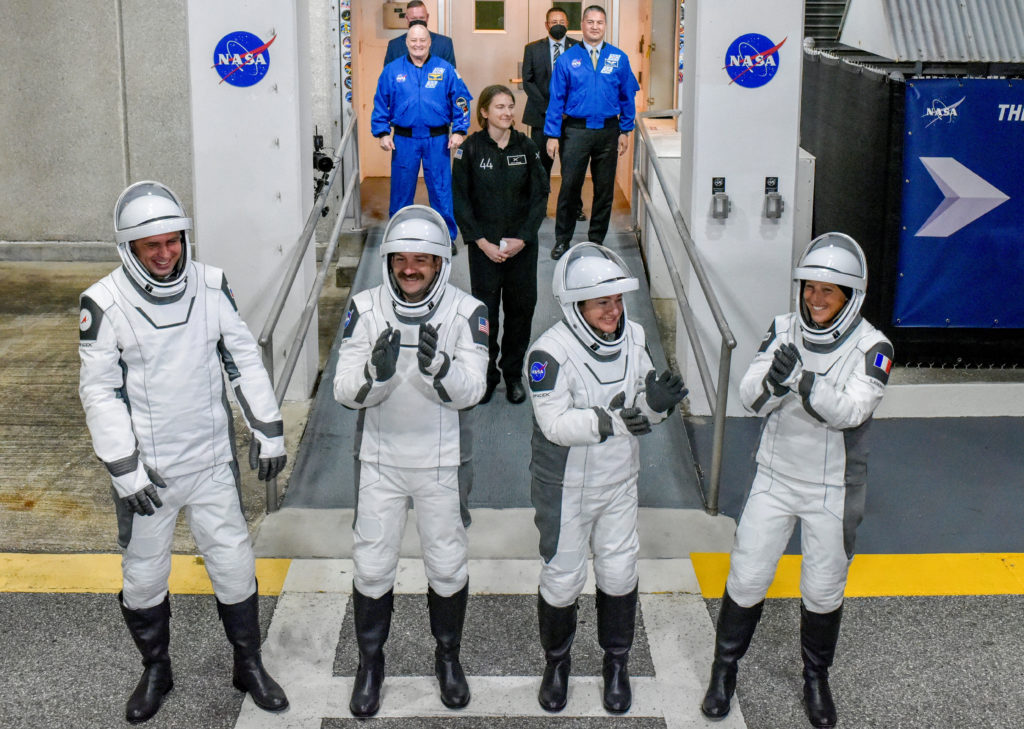
Four astronauts arrive at International Space Station to replace NASA crew
#astronauts #International Space Station #NASA #SpaceX #medical evacuation #space mission #crew rotation #human spaceflight
📌 Key Takeaways
- Four astronauts arrived at ISS to replace a crew member
- Last month marked NASA's first medical evacuation in 65 years
- The evacuation was due to a serious health issue affecting one astronaut
- The astronaut was brought back via SpaceX last summer
- This ensures continuity of operations on the space station
📖 Full Retelling
Four astronauts arrived at the International Space Station this week to replace a NASA crew member who was evacuated last month due to a medical emergency, marking NASA's first in-space medical evacuation in 65 years of human spaceflight. The unexpected rotation comes after one of the four astronauts who arrived at the ISS via a SpaceX mission last summer developed what NASA officials described as a serious health issue. The condition required immediate attention on Earth, prompting an unprecedented hasty return mission that brought the affected astronaut back while the remaining crew continued their duties. This medical evacuation represented a significant moment in space exploration history, as it was the first time NASA has had to bring an astronaut home prematurely for health reasons since the beginning of human spaceflight. The arrival of the new astronauts ensures the continuity of scientific research and maintenance operations on the orbiting laboratory, with the SpaceX mission marking another successful collaboration between NASA and private space companies in maintaining human presence in space.
🏷️ Themes
Space exploration, Medical emergencies, NASA operations
Entity Intersection Graph
No entity connections available yet for this article.
Original Source
Last month's medical evacuation was NASA's first in 65 years of human spaceflight. One of four astronauts launched by SpaceX last summer suffered what officials described as a serious health issue, prompting their hasty return.
Read full article at source