
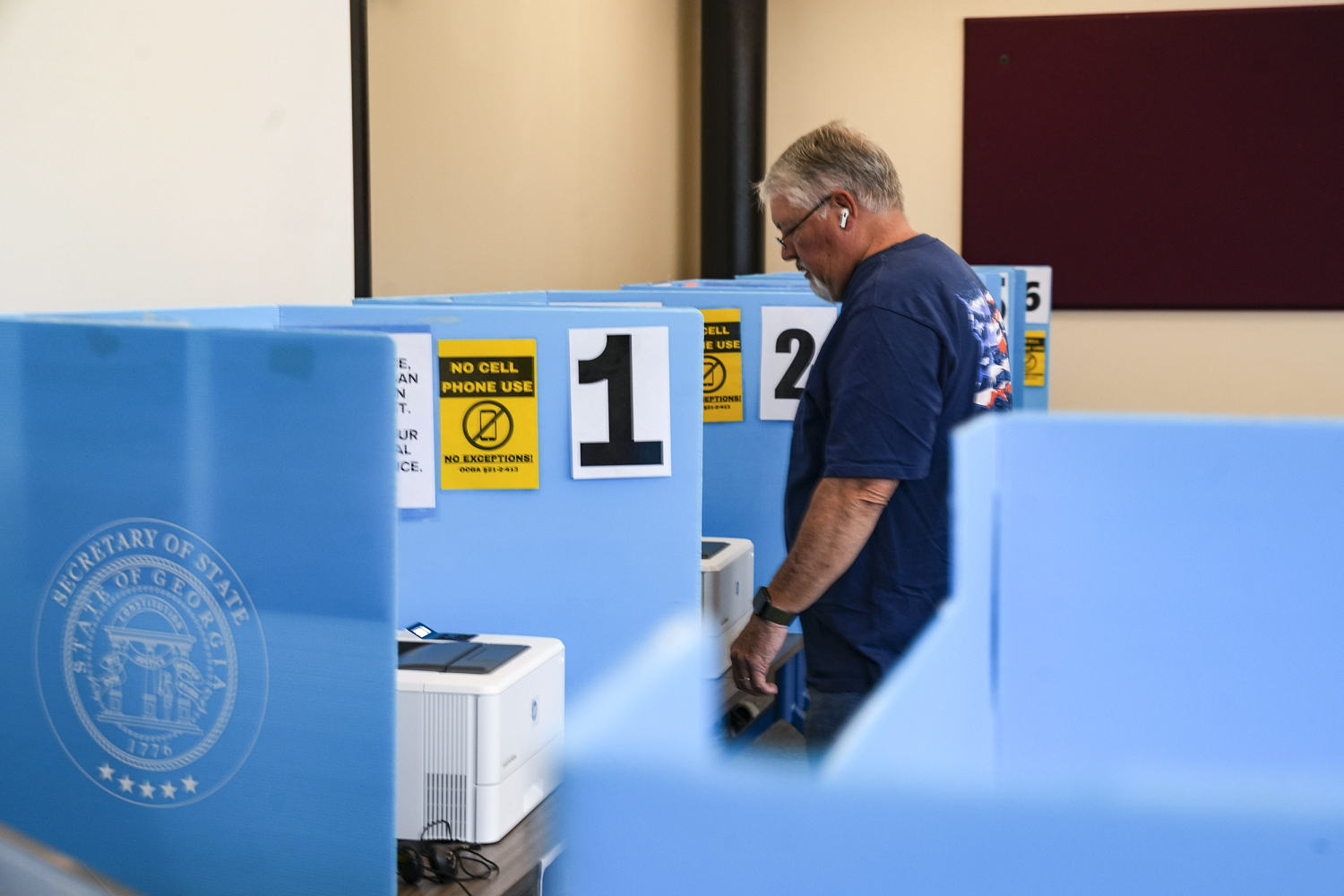
Georgia lawmakers end session without resolving voting system dispute
#Georgia #voting system #lawmakers #legislative session #dispute #elections #unresolved
📌 Key Takeaways
- Georgia's legislative session concluded without addressing the voting system dispute
- The unresolved issue centers on potential changes to voting technology or procedures
- This leaves uncertainty for future elections in the state
- The lack of resolution may lead to continued political or legal challenges
📖 Full Retelling
🏷️ Themes
Election Policy, Legislative Gridlock
📚 Related People & Topics
Entity Intersection Graph
Connections for Georgia:
Mentioned Entities
Deep Analysis
Why It Matters
This legislative inaction matters because Georgia has been a critical battleground state in recent elections, with razor-thin margins determining presidential and Senate outcomes. The unresolved voting system dispute leaves election officials without clear guidance for upcoming elections, potentially affecting voter confidence and election administration. This directly impacts Georgia voters, election workers, political candidates, and national observers who monitor election integrity in a state with a history of voting rights controversies.
Context & Background
- Georgia was a pivotal state in the 2020 presidential election, with Joe Biden winning by approximately 12,000 votes out of 5 million cast
- The state has faced multiple lawsuits and controversies over voting procedures since 2020, including challenges to absentee ballot rules and voting machine security
- Georgia currently uses Dominion Voting Systems machines that produce paper ballots, but some lawmakers have pushed for hand-marked paper ballots instead
- The 2021 Georgia voting law (SB 202) made significant changes to election procedures, including new ID requirements for absentee voting and restrictions on ballot drop boxes
What Happens Next
County election officials will need to proceed with existing voting systems for the 2024 elections without legislative guidance. The issue may resurface in a special legislative session or become a campaign issue in the 2024 elections. Legal challenges to Georgia's voting systems could continue in federal and state courts, potentially affecting election procedures.
Frequently Asked Questions
The dispute centers on whether Georgia should continue using its current electronic voting machines with paper backups or switch to hand-marked paper ballots. Some lawmakers want hand-marked ballots they consider more secure, while others argue the current system works well and changing it would be costly and disruptive.
Election officials must now prepare for 2024 using existing equipment and procedures without knowing if the legislature will mandate changes later. This creates uncertainty for county election boards that need to plan budgets, train poll workers, and educate voters about voting procedures well in advance of elections.
Disagreements stem from different views on election security, cost considerations, and partisan politics. Some Republicans want hand-marked paper ballots they believe are less vulnerable to hacking, while Democrats often defend the current system and worry changes could suppress voting or create administrative chaos.
If Georgia later switches to hand-marked paper ballots, the state would need to scrap or repurpose millions of dollars worth of voting machines purchased in 2019. Counties would need new equipment for scanning and tabulating hand-marked ballots, creating significant financial and logistical challenges.
Governor Brian Kemp could call a special legislative session to address voting systems, but has shown reluctance to do so. Courts could also intervene if lawsuits challenge the current system's constitutionality, though judges typically defer to legislative decisions on voting methods when possible.