
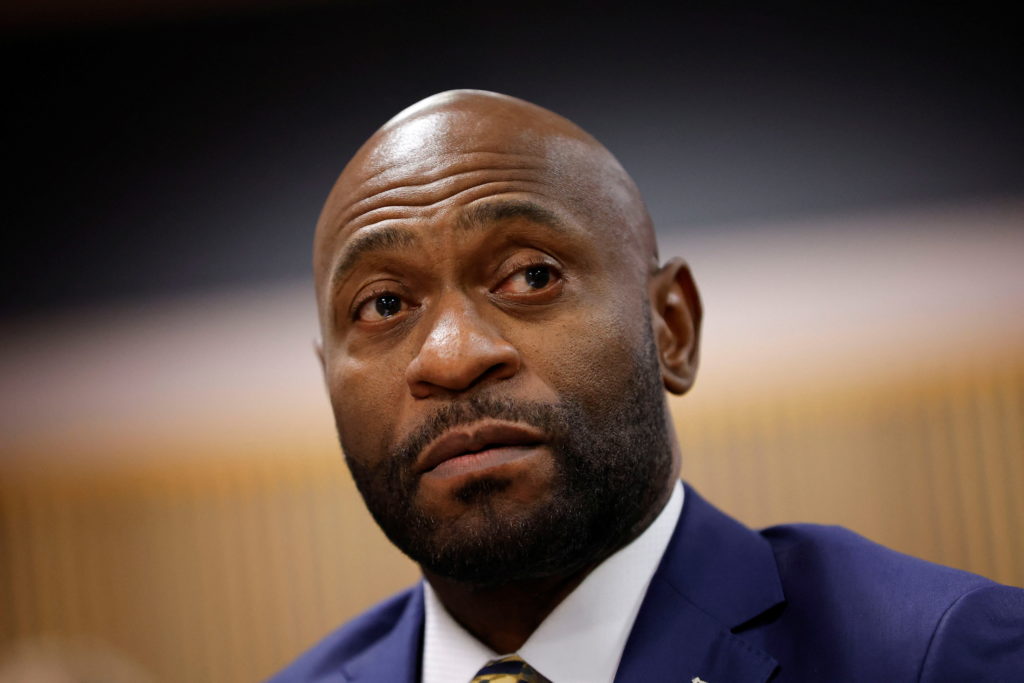
Georgia lawmakers grill former special prosecutor Nathan Wade over Trump election case
#Nathan Wade #Georgia lawmakers #Trump election case #special prosecutor #testimony #misconduct #legal proceedings
📌 Key Takeaways
- Former special prosecutor Nathan Wade testified before Georgia lawmakers about the Trump election interference case.
- Lawmakers questioned Wade's role and conduct in the investigation and prosecution efforts.
- The hearing focused on potential misconduct and procedural issues in the high-profile case.
- Wade's testimony may impact ongoing legal proceedings and public perception of the case.
📖 Full Retelling
🏷️ Themes
Legal Accountability, Political Investigation
📚 Related People & Topics

Georgia election racketeering prosecution
RICO case against Donald Trump and others
The State of Georgia v. Donald J. Trump, et al. was a criminal case against Donald Trump, the 45th and eventually-47th president of the United States, and 18 co-defendants.
Entity Intersection Graph
No entity connections available yet for this article.
Mentioned Entities
Deep Analysis
Why It Matters
This hearing matters because it directly examines the integrity of the high-profile criminal case against Donald Trump for election interference in Georgia. It affects public confidence in the judicial process, potentially influencing the 2024 presidential election. The testimony could impact the ongoing case's timeline and credibility, while also shaping political narratives about accountability for attempts to overturn election results.
Context & Background
- Fulton County District Attorney Fani Willis appointed Nathan Wade as special prosecutor in the Georgia election interference case against Donald Trump and 18 co-defendants.
- The case centers on alleged efforts to overturn Georgia's 2020 presidential election results, including the infamous phone call where Trump asked Secretary of State Brad Raffensperger to 'find' votes.
- Wade's role became controversial after revelations about his romantic relationship with DA Willis, leading to defense motions to disqualify both prosecutors from the case.
- Superior Court Judge Scott McAfee allowed Willis to remain on the case if Wade stepped down, which he did in March 2024.
- Georgia's Republican-led legislature has been investigating Willis's office since January 2024, citing concerns about potential misuse of public funds.
What Happens Next
The legislative committee will compile findings that could lead to formal sanctions or funding restrictions against DA Willis's office. Separately, the criminal case against Trump and remaining defendants continues, with pending appeals on whether Willis should have been disqualified entirely. The Georgia Court of Appeals has agreed to hear Trump's appeal of the disqualification ruling, with decisions expected before the November 2024 election.
Frequently Asked Questions
Republican legislators claim they're examining potential misuse of public funds and ethical violations, particularly regarding Wade's hiring and compensation. Critics argue the investigation is politically motivated to undermine the case against Trump.
Wade served as special prosecutor leading the investigation into Trump's alleged election interference. He resigned after a judge ruled either he or DA Fani Willis must leave the case due to their romantic relationship creating an appearance of conflict.
The legislative hearing doesn't directly impact the criminal proceedings but could influence public perception and potentially lead to funding constraints for the prosecution. The case continues with pending appeals regarding the disqualification issues.
Willis could face legislative sanctions, budget restrictions, or professional discipline if lawmakers find evidence of misconduct. However, she remains district attorney and continues leading the prosecution after Wade's resignation.
This is separate from Trump's federal election interference case and New York hush money trial, though all stem from post-2020 election activities. The Georgia case is notable for being state-level and involving RICO charges against multiple defendants.