
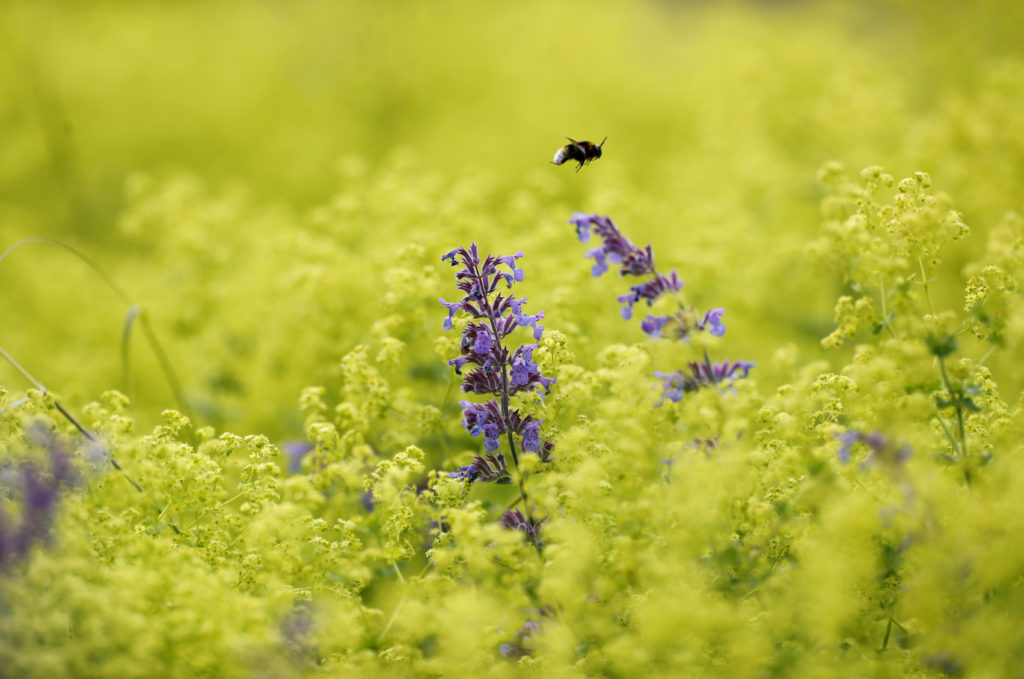
Here's how to protect yourself during allergy season
#allergy season #protection #symptoms #allergens #pollen #medications #air purifiers #healthcare
📌 Key Takeaways
- Allergy season requires proactive measures to minimize symptoms.
- Identify personal allergens to tailor protection strategies effectively.
- Use air purifiers and keep windows closed to reduce indoor allergen exposure.
- Consult healthcare providers for appropriate medications or treatments.
- Monitor pollen forecasts to plan outdoor activities during lower allergen times.
📖 Full Retelling
🏷️ Themes
Health, Prevention
Entity Intersection Graph
No entity connections available yet for this article.
Deep Analysis
Why It Matters
This news matters because seasonal allergies affect approximately 25% of adults and 19% of children in the United States, impacting daily productivity, quality of life, and healthcare costs. It provides practical guidance for millions who suffer from symptoms like sneezing, congestion, and itchy eyes during peak pollen seasons. The information helps vulnerable populations manage their health while reducing strain on medical resources during high-allergy periods.
Context & Background
- Seasonal allergies (hay fever or allergic rhinitis) are immune system reactions to airborne substances like pollen from trees, grasses, and weeds
- Climate change has been extending allergy seasons and increasing pollen counts in many regions over recent decades
- Allergy symptoms cost the U.S. economy billions annually in lost productivity and medical expenses
- Common allergy seasons typically occur in spring (tree pollen), summer (grass pollen), and fall (weed pollen)
- Many people confuse allergy symptoms with cold symptoms, leading to improper self-treatment
What Happens Next
As spring approaches in the Northern Hemisphere, pollen counts will begin rising in March-April, triggering increased allergy symptoms. Healthcare providers will likely see more patients seeking relief, and pharmacies will experience higher demand for antihistamines and nasal sprays. Public health agencies may issue pollen alerts, and researchers will continue monitoring how climate patterns affect future allergy seasons.
Frequently Asked Questions
Use HEPA air filters, keep windows closed during high pollen days, shower after being outdoors, and wash bedding frequently in hot water to remove pollen particles that accumulate indoors.
Consult a healthcare provider if over-the-counter medications aren't effective, symptoms interfere with daily activities, or if you experience wheezing or difficulty breathing which could indicate asthma complications.
Some people find relief with saline nasal rinses, local honey consumption, and butterbur supplements, though scientific evidence varies and these should complement rather than replace medical advice.
Use weather websites, smartphone apps, or local news stations that provide daily pollen counts, often categorized by tree, grass, and weed pollen levels to help plan outdoor activities.
Immunotherapy (allergy shots) can be highly effective for many people by gradually desensitizing the immune system to specific allergens, but treatment typically requires regular injections over 3-5 years.