
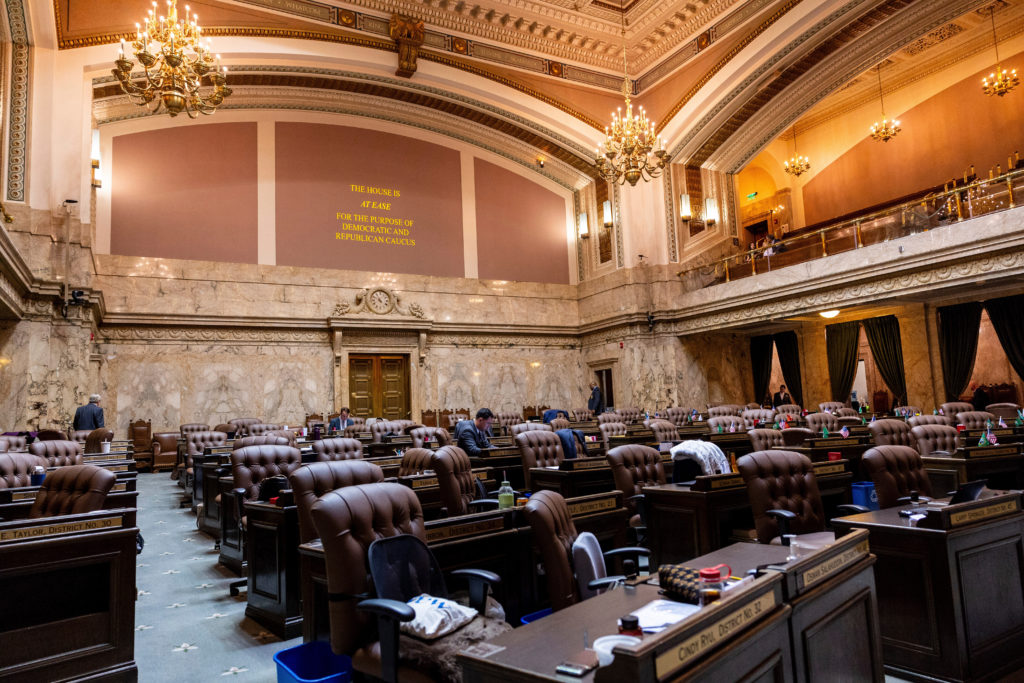
How some states are reviving a push to tax the rich
#wealth tax #progressive taxation #state budgets #income inequality #fiscal policy #tax fairness #economic impact
📌 Key Takeaways
- Several U.S. states are renewing efforts to implement or increase taxes on high-income earners.
- Proposals include new surtaxes, higher marginal rates, and wealth taxes targeting top earners.
- Advocates argue these measures address inequality and fund public services like education and healthcare.
- Opponents warn of economic harm, including driving wealthy residents and businesses to lower-tax states.
- The push reflects ongoing national debates over tax fairness and state-level fiscal policy.
📖 Full Retelling
🏷️ Themes
Taxation, Income Inequality, State Policy
Entity Intersection Graph
No entity connections available yet for this article.
Deep Analysis
Why It Matters
This news matters because it represents a significant shift in state-level fiscal policy that could reshape wealth distribution and public service funding across the United States. It directly affects high-income earners who may face increased tax burdens, while potentially benefiting middle and lower-income residents through expanded social programs. The movement reflects growing economic inequality concerns and could influence national debates about wealth taxation. State-level experiments with progressive taxation may serve as models for federal policy changes.
Context & Background
- The U.S. federal tax system has become less progressive since the 1980s, with top marginal rates declining from over 70% to 37% currently
- Several states including California, New York, and Massachusetts have previously implemented 'millionaire taxes' with varying success and legal challenges
- The 2017 federal tax law capped state and local tax (SALT) deductions at $10,000, increasing the effective tax burden for wealthy residents in high-tax states
- Wealth inequality in the U.S. has reached historic levels, with the top 1% controlling about 32% of household wealth according to Federal Reserve data
- Previous state-level wealth tax proposals have faced constitutional challenges in some states regarding uniform taxation requirements
What Happens Next
Several states including Washington, New York, and Illinois are expected to introduce new wealth tax legislation in their 2024 legislative sessions. Legal challenges are likely in states with constitutional restrictions on progressive taxation. The outcomes of these state initiatives will be closely watched as potential models for federal policy, particularly if Democrats regain control of Congress. Implementation timelines vary by state, with some proposals potentially taking effect as early as 2025 if passed.
Frequently Asked Questions
Washington, New York, Illinois, and Massachusetts are among the states with active proposals. Washington's proposal targets extraordinary financial gains, while New York is considering increased rates on high earners and a wealth tax on billionaires.
Many proposals target wealth accumulation rather than just annual income, including taxes on investment gains, unrealized capital gains, and net worth. Some would create new tax brackets specifically for ultra-high earners with rates significantly above current top brackets.
Proponents argue they address inequality and fund essential services like education and healthcare. Opponents claim they drive wealthy residents to lower-tax states, reduce economic growth, and face constitutional challenges in many states.
Estimates vary by state, but proposals could generate billions annually. New York's wealth tax proposal alone is estimated to raise $4-5 billion per year, while Washington's capital gains tax is projected to bring in about $500 million annually.
Yes, California implemented a 'millionaire tax' in 2012 that raised top rates temporarily, while Connecticut and New Jersey have faced challenges with high earners leaving. European countries like France and Sweden have experimented with wealth taxes with mixed results.
Many state constitutions require uniform taxation, which may prohibit progressive rate structures. Some states have constitutional prohibitions against taxes on intangible property or require voter approval for tax increases.