#Trump#Iran#Netanyahu#Military action#Diplomatic negotiations#Middle East#Foreign policy#Advisers' opposition
📌 Key Takeaways
Trump's decision to pursue military action against Iran was influenced by Netanyahu's stance
Few of Trump's advisers opposed the potential military conflict
The reporting reveals limited internal dissent within the administration
The decision marked a significant shift in U.S. foreign policy toward Iran
📖 Full Retelling
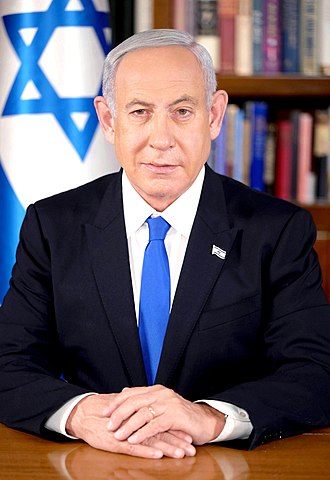
President Trump's decision to embrace military action against Iran in March 2026 was significantly influenced by Israeli Prime Minister Benjamin Netanyahu's determination to end diplomatic negotiations, according to investigative reporting by Mark Mazzetti and his team, which revealed that few of Trump's advisers voiced opposition to the potential military conflict. This reporting sheds light on the internal deliberations within the Trump administration that ultimately led to a more aggressive stance toward Iran, marking a significant shift in U.S. foreign policy in the Middle East region. The investigation, published on March 3, 2026, details how Netanyahu's firm position on ending diplomatic channels with Iran directly impacted Trump's decision-making process, despite the potentially grave consequences of such military action.
The article represents a comprehensive examination of the decision-making process, featuring contributions from a team of investigative journalists including Leila Medina, Sutton Raphael, Joey Sendaydiego, Jon Hazell, Rafaela Balster, and Whitney Shefte. Their reporting suggests that the path toward potential military conflict was less contested internally than might be expected for such a consequential foreign policy decision, raising questions about the balance of influence in the Trump administration's approach to international diplomacy and security matters in the volatile Middle Eastern context. The investigation appears to have uncovered previously unknown details about the relationship between Trump's foreign policy decisions and the influence of foreign leaders, particularly Netanyahu, in shaping American military strategy.
This reporting comes at a critical time when U.S.-Iran relations remain tense, and the potential consequences of military action continue to be debated by international relations experts and policymakers. The article's focus on the decision-making process provides valuable insight into how foreign policy is formulated at the highest levels of government, particularly when it involves the potential use of military force. The limited opposition from within Trump's advisory circle suggests either broad agreement on the need for a harder line against Iran or a reluctance to challenge the President on such a significant decision, highlighting the complexities of presidential decision-making in matters of war and peace.
🏷️ Themes
Foreign policy decision-making, U.S.-Israel relations, Military action considerations, Diplomatic negotiations
Practice of conducting negotiations between representatives of groups or states
Diplomacy is the communication by representatives of state, intergovernmental, or non-governmental institutions intended to influence events in the international system.
Diplomacy is the main instrument of foreign policy which represents the broader goals and strategies that guide a state's interact...
War is an armed conflict between the armed forces of states, or between governmental forces and armed groups that are organized under a certain command structure and have the capacity to sustain military operations, or between such organized groups.
It is generally characterized by widespread viole...
# Iran
**Iran**, officially the **Islamic Republic of Iran** and historically known as **Persia**, is a sovereign country situated in West Asia. It is a major regional power, ranking as the 17th-largest country in the world by both land area and population. Combining a rich historical legacy with a...
Prime Minister of Israel (1996–1999; 2009–2021; since 2022)
Benjamin "Bibi" Netanyahu (born 21 October 1949) is an Israeli politician and diplomat who has served as Prime Minister of Israel since 2022. Having previously held office from 1996 to 1999 and from 2009 to 2021, Netanyahu is Israel's longest-serving prime minister.
Born in Tel Aviv, Netanyahu was r...
President of the United States (2017–2021; since 2025)
Donald John Trump (born June 14, 1946) is an American politician, media personality, and businessman who is the 47th president of the United States. A member of the Republican Party, he served as the 45th president from 2017 to 2021.
Born into a wealthy New York City family, Trump graduated from the...
new video loaded: How Trump Decided to Go to War How Trump Decided to Go to War President Trump’s embrace of military action in Iran was set off by the determination of Prime Minister Benjamin Netanyahu of Israel to end diplomatic negotiations. Our investigative reporter Mark Mazzetti describes how few of Mr. Trump’s advisers voiced opposition. By Mark Mazzetti, Leila Medina, Sutton Raphael, Joey Sendaydiego, Jon Hazell, Rafaela Balster and Whitney Shefte March 3, 2026 Watch Today’s Videos More in Politics › James Talarico Wins Texas Democratic Senate Primary 1:14 Clinton Deposition Videos Released in Epstein Investigation 2:15 Trump’s War of Choice With Iran 2:31 Green Party Defeats Labour in U.K. Special Election 1:54 Trump’s Go-To Tactic in the State of the Union 2:50 Denmark’s Prime Minister Calls For a Snap Parliamentary Election 1:36 Video › Today's Videos U.S. Politics Immigration NY Region Science Business Culture Books Wellness World Africa Americas Asia South Asia Donald Trump Middle East Crisis Russia-Ukraine Crisis Visual Investigations Opinion Video Advertisement SKIP ADVERTISEMENT