
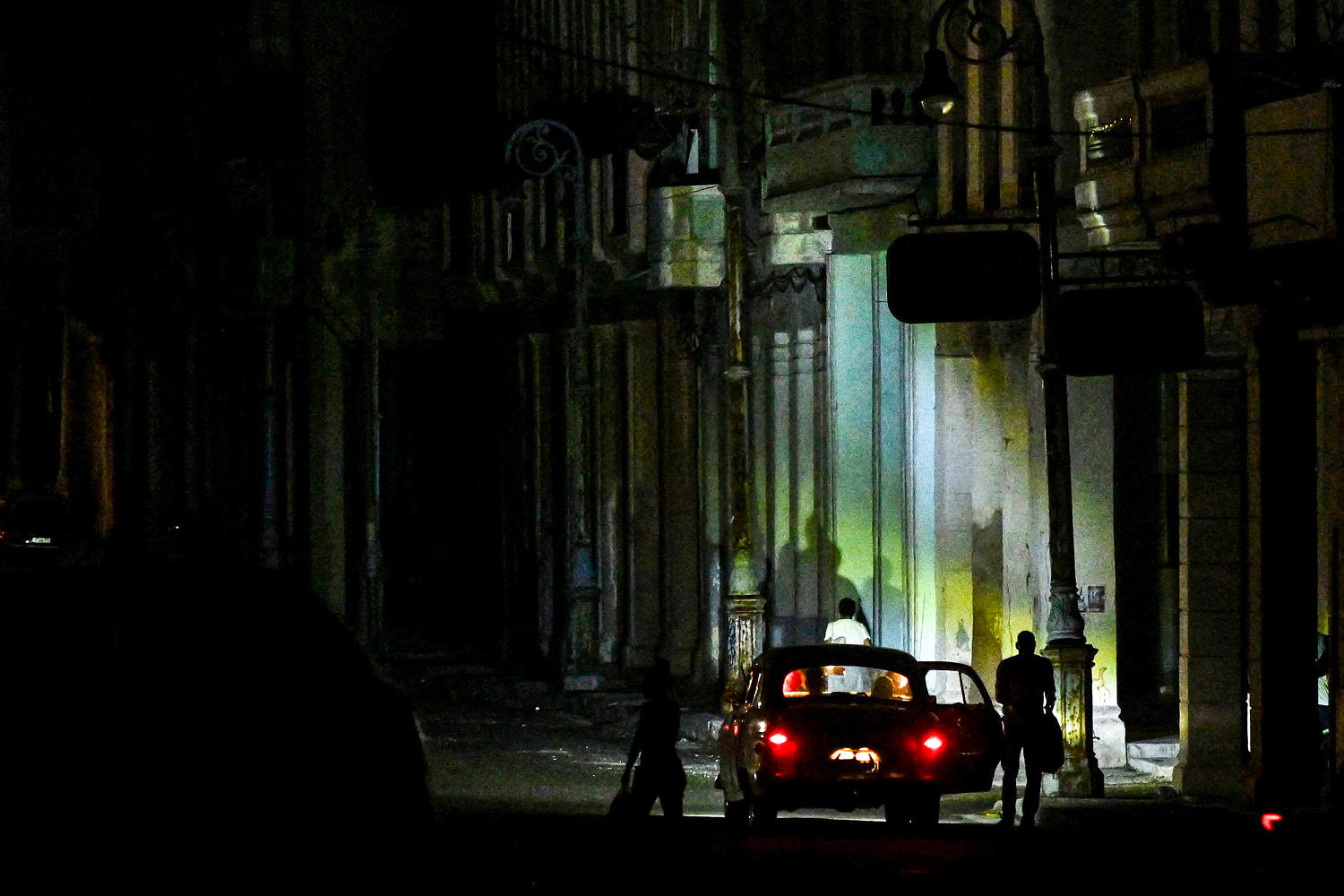
In a Cuban hospital, patients and doctors are hard hit by outages and fuel shortages
#Cuba #hospital #power outages #fuel shortages #patients #doctors #healthcare #crisis
📌 Key Takeaways
- Cuban hospitals face severe operational challenges due to power outages and fuel shortages.
- Patients are experiencing worsened health outcomes and limited access to medical care.
- Doctors struggle to perform essential procedures and maintain basic hospital functions.
- The crisis highlights systemic issues in Cuba's infrastructure and resource management.
📖 Full Retelling
🏷️ Themes
Healthcare Crisis, Infrastructure Failure
📚 Related People & Topics

Cuba
Country in the Caribbean
Cuba, officially the Republic of Cuba, is an island country in the Caribbean. It comprises the eponymous main island as well as 4,195 islands, islets, and cays. Situated at the convergence of the Caribbean Sea, Gulf of Mexico, and Atlantic Ocean, Cuba is located east of the Yucatán Peninsula, south ...
Entity Intersection Graph
Connections for Cuba:
Mentioned Entities
Deep Analysis
Why It Matters
This news highlights a critical healthcare crisis in Cuba that directly threatens patient lives and medical care quality. It affects vulnerable populations including the elderly, chronically ill, and those requiring emergency treatment. The situation also impacts healthcare workers who cannot perform their duties effectively, potentially leading to preventable deaths and long-term health consequences. This crisis reflects broader systemic failures in Cuba's infrastructure and economy that could destabilize the nation's entire social safety net.
Context & Background
- Cuba has faced chronic energy shortages for decades due to aging infrastructure and limited domestic fuel production
- The U.S. embargo against Cuba, in place since 1962, has historically restricted access to medical equipment and supplies
- Cuba's healthcare system was once praised as a model for developing nations but has deteriorated significantly in recent years
- The country experienced massive protests in July 2021 partly driven by electricity blackouts and economic hardship
- Cuba imports most of its fuel, primarily from Venezuela, making it vulnerable to geopolitical and economic pressures
What Happens Next
The Cuban government will likely seek emergency fuel shipments from allies like Venezuela or Russia in coming weeks. International health organizations may issue warnings about deteriorating conditions in Cuban hospitals. If shortages persist, we could see increased medical evacuations for critical patients and potential protests around healthcare facilities. The situation may force Cuba to accept humanitarian aid from countries it has previously resisted.
Frequently Asked Questions
Cuba has limited domestic oil reserves and refining capacity, relying heavily on imports from Venezuela. Economic crises and U.S. sanctions have reduced Venezuela's ability to supply Cuba, while Cuba lacks the foreign currency to purchase fuel on international markets.
Patients face canceled surgeries, interrupted treatments, lack of climate control in wards, and reduced diagnostic capabilities. Life-support equipment may fail during blackouts, creating immediate life-threatening situations for critically ill patients.
Cuba's healthcare infrastructure is aging and energy-inefficient, with many facilities lacking backup generators. The centralized nature of Cuba's medical system means shortages affect entire regions simultaneously, and decades of underinvestment have left hospitals with minimal fuel reserves.
Yes, medication refrigeration failures could ruin vaccine supplies and temperature-sensitive drugs. Water purification systems may fail without power, increasing disease risks. Healthcare workers may leave the profession or country, further degrading the system.
The hospital crisis reflects Cuba's worst economic contraction in decades, with GDP falling approximately 10% since 2019. Fuel shortages affect all sectors including transportation and agriculture, creating a vicious cycle that further strains healthcare through malnutrition and reduced access to facilities.