
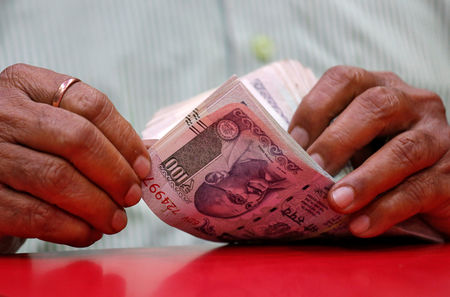
Indian rupee hits fresh record low as oil surge, strong dollar weigh
#Indian rupee #record low #oil prices #US dollar #currency depreciation #import costs #economic factors
📌 Key Takeaways
- Indian rupee reaches new all-time low against the US dollar
- Rising oil prices increase import costs and pressure the currency
- Strong US dollar contributes to rupee depreciation
- Economic factors like inflation and trade deficits may be exacerbating the decline
🏷️ Themes
Currency Depreciation, Economic Pressure
📚 Related People & Topics

Indian rupee
Currency of India
The Indian rupee (symbol: ₹; code: INR) is the official currency of India. The rupee is subdivided into 100 paise (singular: paisa). The issuance of the currency is controlled by the Reserve Bank of India.

United States dollar
Currency of the United States
The United States dollar (symbol: $; currency code: USD) is the official currency of the United States and several other countries. The Coinage Act of 1792 introduced the U.S. dollar at par with the Spanish silver dollar, divided it into 100 cents, and authorized the minting of coins denominated in ...
Entity Intersection Graph
Connections for Indian rupee:
Mentioned Entities
Deep Analysis
Why It Matters
The rupee hitting a record low matters because it increases import costs for India, particularly for critical commodities like oil, which could fuel inflation and strain household budgets. This affects millions of Indians through higher prices for fuel, imported goods, and potential interest rate hikes by the Reserve Bank of India. It also impacts businesses reliant on imports, foreign investors holding rupee assets, and the government's fiscal health due to higher subsidy burdens on fuel.
Context & Background
- The Indian rupee has been under pressure for years, depreciating from around 45 per USD in 2011 to over 80 per USD in recent times, driven by trade deficits and global factors.
- India imports over 80% of its crude oil needs, making the rupee highly sensitive to oil price fluctuations; past oil spikes in 2008 and 2012-2014 led to similar rupee declines and economic stress.
- The US dollar has strengthened globally in 2022-2023 due to Federal Reserve interest rate hikes, drawing capital away from emerging markets like India and exacerbating rupee weakness.
- The Reserve Bank of India has historically intervened in forex markets to stabilize the rupee, using foreign exchange reserves that have fluctuated but remain substantial at over $600 billion as of 2023.
What Happens Next
The RBI may intervene more aggressively in forex markets to curb volatility, potentially drawing down reserves further. If the trend continues, India could see higher inflation by late 2023, prompting possible interest rate hikes. Upcoming OPEC+ meetings and US economic data in the coming weeks will influence oil prices and dollar strength, directly impacting the rupee's trajectory.
Frequently Asked Questions
A weaker rupee makes imports like oil, electronics, and machinery more expensive in rupee terms. Since India relies heavily on imports for energy and goods, these higher costs are passed to consumers, driving up overall prices and inflation.
A strong dollar attracts global investors to US assets, reducing demand for emerging market currencies like the rupee. This outflow of capital from India weakens the rupee further, as dollars become scarcer relative to rupees in forex markets.
The government can encourage foreign investment through policy reforms, while the RBI can raise interest rates to attract capital or sell dollars from reserves to buy rupees. Long-term measures include boosting exports to reduce trade deficits.
Exporters like IT services and pharmaceutical firms benefit, as they earn more rupees for each dollar of revenue. However, this advantage is often offset by broader economic costs like inflation and reduced purchasing power for most citizens.
High oil prices increase India's import bill, requiring more dollars to pay for crude. This widens the trade deficit, creating excess demand for dollars over rupees and directly pressuring the rupee's exchange rate downward.