
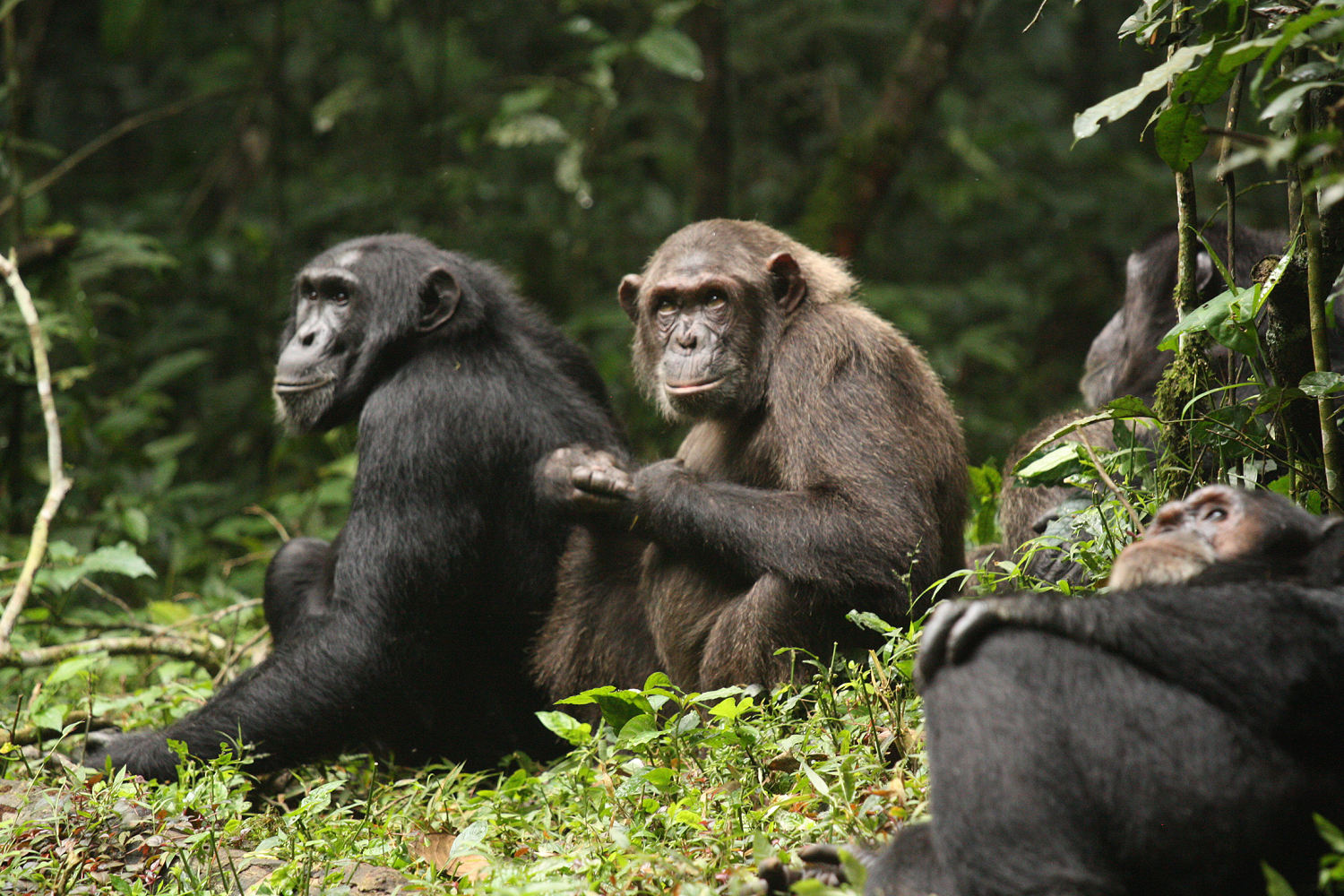
Infants torn from mothers, testicles ripped off: Study describes vicious chimpanzee infighting
#chimpanzee #infanticide #intergroup conflict #primate violence #Kibale National Park #evolution #territorial aggression
📌 Key Takeaways
- A chimpanzee community in Uganda split and engaged in a lethal multi-year conflict.
- Nearly 30 chimps were killed, including 19 infants targeted in attacks.
- Adult males suffered extreme mutilations, including castration.
- The violence was strategic, driven by competition for territory and resources.
- The study challenges assumptions about the nature of primate warfare and its parallels to human conflict.
📖 Full Retelling
A long-term study published in the journal Science on January 15, 2025, reveals that a previously unified community of chimpanzees in Uganda's Kibale National Park violently fractured into rival factions, leading to a brutal, multi-year conflict that resulted in the deaths of nearly 30 individuals, including 19 infants. The research, conducted by an international team of primatologists, documented a systematic campaign of lethal aggression that included infanticide and extreme mutilation, fundamentally challenging earlier assumptions about the nature of chimpanzee warfare.
The conflict, observed over a seven-year period, began when a large, cohesive group of over 150 chimpanzees split into two distinct subgroups. What followed was not random violence but a series of coordinated, predatory attacks. Researchers recorded instances where rival males would launch raids into enemy territory, specifically targeting vulnerable individuals. The brutality was shocking: infants were forcibly taken from their mothers and killed, and adult males suffered severe injuries, including castration and the removal of testicles, which were sometimes carried away by the attackers.
This study provides unprecedented detail into the mechanics of chimpanzee intergroup violence, which shares chilling parallels with human warfare. The researchers argue that the primary driver was competition for territory and resources, as the splinter group sought to establish and defend its own domain. The calculated nature of the attacks—targeting future generations through infanticide and demoralizing opponents through mutilation—suggests a strategic dimension previously underappreciated in non-human primates. The findings force a reevaluation of the evolutionary roots of coalitionary violence and territorial aggression, indicating these behaviors are deeply embedded in our shared ancestry with chimpanzees.
🏷️ Themes
Primate Behavior, Evolutionary Biology, Animal Aggression
📚 Related People & Topics

Kibale National Park
National park in Uganda
Kibale National Park is a national park in western Uganda, protecting moist evergreen rainforest. It is 766 square kilometres (296 mi2) in size and ranges between 1,100 metres (3,600 ft) and 1,600 metres (5,200 ft) in elevation. Despite encompassing primarily moist evergreen forest, it contains a di...
Entity Intersection Graph
No entity connections available yet for this article.
Mentioned Entities
Original Source
Chimpanzees that had once formed a cohesive community in Uganda split into factions and turned violent, according to a new study. Nearly 30 chimps were killed, including 19 infants.
Read full article at source