
Insight into Mojtaba Khamenei, Iran's new supreme leader
#Mojtaba Khamenei #Supreme Leader #Iran #succession #Ayatollah Ali Khamenei #political elite #leadership transition
📌 Key Takeaways
- Mojtaba Khamenei is positioned as the potential successor to Iran's current Supreme Leader, Ayatollah Ali Khamenei.
- His background and influence within Iran's political and religious structures are being analyzed.
- The succession process involves complex internal dynamics among Iran's clerical and political elites.
- His potential leadership could impact Iran's domestic policies and international relations.
📖 Full Retelling
🏷️ Themes
Succession, Iran Politics
📚 Related People & Topics

Iran
Country in West Asia
# Iran **Iran**, officially the **Islamic Republic of Iran** and historically known as **Persia**, is a sovereign country situated in West Asia. It is a major regional power, ranking as the 17th-largest country in the world by both land area and population. Combining a rich historical legacy with a...
Supreme Leader
Topics referred to by the same term
A supreme leader or supreme ruler is a powerful figure with an unchallenged authority.

Ali Khamenei
Supreme Leader of Iran since 1989
Ali Hosseini Khamenei (born 19 April 1939) is an Iranian cleric and politician who has served as the second supreme leader of Iran since 1989. He previously served as the third president of Iran from 1981 to 1989. His tenure as supreme leader, spanning 36 years, makes him the longest-serving head of...
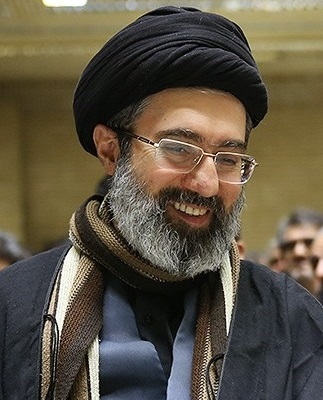
Mojtaba Khamenei
Iranian politician and cleric (born 1969)
Mojtaba Hosseini Khamenei (born 8 September 1969) is an Iranian politician and Muslim cleric. The second eldest child of Ali Khamenei, the former supreme leader of Iran, Mojtaba Khamenei served in the Iran–Iraq War from 1987 to 1988, and also reportedly took control of the Basij that was used to sup...
Entity Intersection Graph
Connections for Iran:
Mentioned Entities
Deep Analysis
Why It Matters
This news matters because Iran's supreme leader holds ultimate authority over all state matters, including foreign policy, military decisions, and religious interpretation. The transition affects Iran's 85 million citizens directly, as the supreme leader shapes domestic policies, social freedoms, and economic direction. Regionally, it impacts Middle Eastern geopolitics, particularly relations with Israel, Saudi Arabia, and nuclear negotiations. Globally, it influences oil markets, international security, and diplomatic relations with Western powers.
Context & Background
- Iran's supreme leader position was established after the 1979 Islamic Revolution, replacing the monarchy with a theocratic system
- Ali Khamenei has served as supreme leader since 1989, following the death of Ayatollah Ruhollah Khomeini, the revolution's founder
- The Assembly of Experts, an 88-member clerical body, is constitutionally responsible for selecting and supervising the supreme leader
- Mojtaba Khamenei is the son of current leader Ali Khamenei and has been a prominent conservative cleric and political figure for decades
- Succession discussions have intensified due to Ali Khamenei's advanced age (85) and health concerns in recent years
What Happens Next
The Assembly of Experts will convene to formally appoint Mojtaba Khamenei following his father's death or incapacitation. Immediate focus will be on his first major policy statements regarding nuclear negotiations, regional proxy forces, and domestic protests. Within months, key appointments to the Revolutionary Guards, judiciary, and media oversight positions will signal his governing direction. International reactions from the US, EU, and regional powers will shape early diplomatic engagements.
Frequently Asked Questions
The supreme leader controls the military, intelligence agencies, judiciary, and state media while appointing key officials including the head of judiciary, Revolutionary Guards commanders, and Friday prayer leaders. He also has final say on all major policies and can override elected officials including the president.
The Assembly of Experts, elected every 8 years by popular vote but vetted by the Guardian Council, chooses the supreme leader based on religious qualifications and political reliability. The process is opaque with significant influence from existing power structures including the Revolutionary Guards.
Mojtaba Khamenei's conservative background suggests continuity in nuclear policy, likely maintaining enrichment capabilities while tactical negotiating positions may shift. His approach to IAEA inspections and JCPOA revival will become clearer in early policy statements and appointments.
Given Mojtaba's involvement in suppressing past protests and his conservative religious views, significant liberalization appears unlikely initially. However, leadership transitions sometimes create temporary openings for dissent before new control mechanisms solidify.
Continuity is expected in supporting proxy groups like Hezbollah and Houthis, though tactical adjustments may occur. Mojtaba's relationships with Quds Force commanders and his interpretation of 'resistance economy' will shape regional strategy in coming months.
Initial focus will be on domestic stability, potentially delaying major economic reforms. International responses will depend on early signals about nuclear negotiations and regional behavior, with oil markets watching for production policy changes.