

Iran crisis could disrupt supply of key chipmaking materials, South Korea warns
#Iran crisis #Semiconductor materials #South Korea chip industry #Helium supply #AI data centers #Middle East conflict #Global supply chains #Tech industry
📌 Key Takeaways
- South Korea warns Iran conflict could disrupt semiconductor supply chains
- Chip industry depends on Middle Eastern helium with no alternatives
- Major tech companies have different responses to potential disruption
- Conflict threatens tech companies' AI data center expansion plans in Middle East
📖 Full Retelling
South Korean ruling party lawmaker Kim Young-bae warned on March 5, 2026, that the ongoing U.S.-Israel war with Iran could disrupt global supplies of key semiconductor manufacturing materials, as the Middle Eastern conflict entered its sixth day, threatening South Korea's chip industry which supplies two-thirds of the world's memory chips and relies on helium from the region for heat management during production. The warning came after Kim met with executives from major companies like Samsung Electronics and industry trade groups, who expressed concerns about potential supply disruptions and rising energy costs that could impact production. Helium, an essential material for semiconductor manufacturing with no viable alternatives, is primarily sourced from Middle Eastern countries like Qatar, making the region's stability critical for global chip production. While SK Hynix reported having sufficient helium inventory and no expected disruption to its procurement, Samsung declined to comment, and GlobalFoundries stated it is actively monitoring the situation with mitigation plans in place. The crisis also threatens the tech industry's expansion plans in the Middle East, as Amazon confirmed some of its data centers in the UAE and Bahrain were damaged by drone strikes, potentially slowing down AI infrastructure development that companies like Microsoft and Nvidia have been pursuing in the region.
🏷️ Themes
Geopolitical Conflict, Supply Chain Disruption, Technology Industry Impact
📚 Related People & Topics
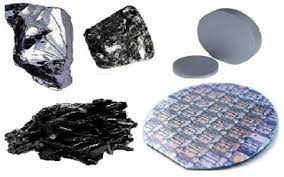
List of semiconductor materials
# Semiconductor Materials Semiconductor materials are a class of substances characterized as nominally small bandgap insulators. The defining property of a semiconductor is its versatility: its electronic properties can be precisely modified through **doping**—the intentional introduction of specif...
Entity Intersection Graph
No entity connections available yet for this article.
Mentioned Entities
Original Source
try{ var _=i o; . if(!_||_&&typeof _==="object"&&_.expiry Oil prices jump over 3% as Middle East war escalates, fuels supply fears Iran conflict latest: Hegseth says Iran conflict has "only just begun" Gold prices rebound from previous session’s hefty drop, helped by weaker dollar Nasdaq ends more than 1% higher as solid economic data lifts spirits (South Africa Philippines Nigeria) Iran crisis could disrupt supply of key chipmaking materials, South Korea warns By Economy Published 03/05/2026, 12:31 AM Updated 03/05/2026, 12:36 AM Iran crisis could disrupt supply of key chipmaking materials, South Korea warns 0 MSFT 0.31% AMZN 3.88% NVDA 1.66% 000660 13.78% 005930 12.25% GFS 0.74% By Heejin Kim and Hyunjoo Jin SEOUL, March 5 - The U.S.-Israel war with Iran could disrupt supplies of key semiconductor manufacturing materials, a South Korean ruling party lawmaker said on Tuesday, as the conflict in the Middle East entered its sixth day. South Korea’s chip industry, which supplies around two-thirds of the global memory chips, is also concerned that a prolonged conflict in Iran will lead to higher energy costs and prices, Kim Young-bae said after meeting with executives from companies such as Samsung Electronics and trade groups. "Officials raised a possibility that semiconductor production could be disrupted if some of these key materials cannot be sourced from the Middle East," he said at a briefing with reporters, adding South Korean firms source some key chip-making materials such as helium from the Middle East. Helium is essential for heat management during semiconductor production and it has no viable alternatives currently. It is only produced in a handful of countries, with Qatar and the U.S. among the leading players in the industry. The caution comes as chipmakers grapple with severe supply bottlenecks due to surging chip demand from AI data center operators that has tightened supplies to many other industries including smartphones, laptops and automobiles. Sou...
Read full article at source