
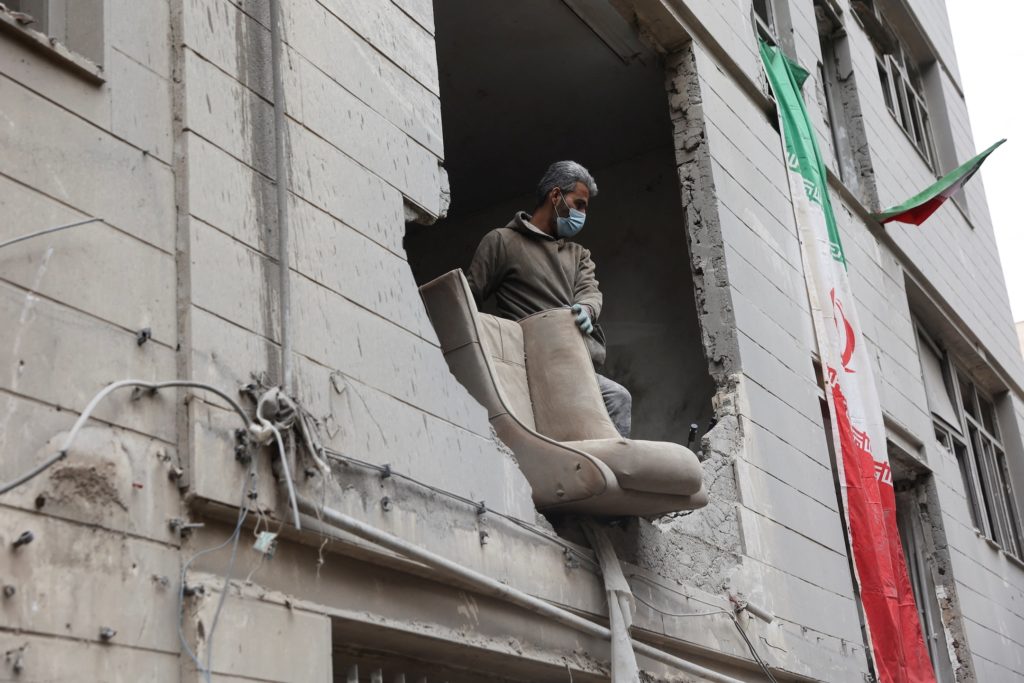
Iranians share messages describing daily life under the shadow of war
#Iran #daily life #war #anxiety #shortages #social media #civilian experience
📌 Key Takeaways
- Iranians report heightened anxiety and fear due to ongoing conflict.
- Daily routines are disrupted by security concerns and economic strain.
- Citizens describe coping with shortages and uncertainty in basic necessities.
- Social media serves as a key outlet for sharing personal experiences and solidarity.
📖 Full Retelling
🏷️ Themes
War Impact, Civilian Life
Entity Intersection Graph
No entity connections available yet for this article.
Deep Analysis
Why It Matters
This news matters because it provides firsthand accounts of how ordinary Iranian citizens are coping with the psychological and practical realities of living under constant threat of conflict, offering insights beyond official narratives. It affects Iranian civilians who face economic hardship, social restrictions, and anxiety about potential military escalation. The reporting humanizes geopolitical tensions by focusing on daily struggles like inflation, security concerns, and disrupted routines. Understanding these lived experiences is crucial for policymakers, humanitarian organizations, and international observers assessing the human cost of regional instability.
Context & Background
- Iran has faced prolonged economic sanctions from Western nations since the 1979 Islamic Revolution, intensifying after the collapse of the 2015 nuclear deal
- Regional proxy conflicts involving Iranian-backed groups in Syria, Yemen, and Lebanon have heightened tensions with Israel and Gulf states over the past decade
- Internal unrest has grown since the 2022 Mahsa Amini protests, with citizens increasingly vocal about economic hardship and social restrictions
- Iran's uranium enrichment activities have escalated since 2019, raising concerns about nuclear proliferation and potential military strikes
- Historical trauma from the 1980-88 Iran-Iraq war shapes national memory, with many Iranians having direct experience of wartime deprivation
What Happens Next
Increased international attention may pressure humanitarian organizations to address civilian needs despite sanctions. Domestic discontent could manifest in more covert protests or migration waves if conditions worsen. Regional tensions may escalate further if diplomatic efforts fail, potentially affecting global oil markets and security alliances. Monitoring of social media narratives will likely intensify as both government and opposition groups seek to control wartime discourse.
Frequently Asked Questions
While firsthand accounts provide valuable perspective, they represent individual experiences that may not reflect broader population views. Verification is challenging due to internet restrictions and potential government monitoring, requiring careful contextual analysis alongside other data sources.
Reports typically describe soaring inflation making basics unaffordable, constant anxiety about air raid sirens or military mobilization, and disrupted education/healthcare services. Many also mention psychological strain from preparing shelters and contingency plans for families.
Civilian hardship may pressure the government to reconsider resource allocation toward military proxies versus domestic needs. However, historical patterns suggest Tehran often doubles down on regional influence during crises to demonstrate strength, potentially worsening civilian conditions.
Yes, civilians in conflict zones like Gaza, Yemen, and Syria face parallel daily struggles, though specific conditions vary. What's notable in Iran is the contrast between citizens' experiences and the country's official position as a regional power rather than active war zone.
Sanctions exacerbate inflation and medical shortages while limiting civilian access to global communications and financial systems. However, they also create black markets and adaptation strategies that become part of the daily survival narrative shared by citizens.