
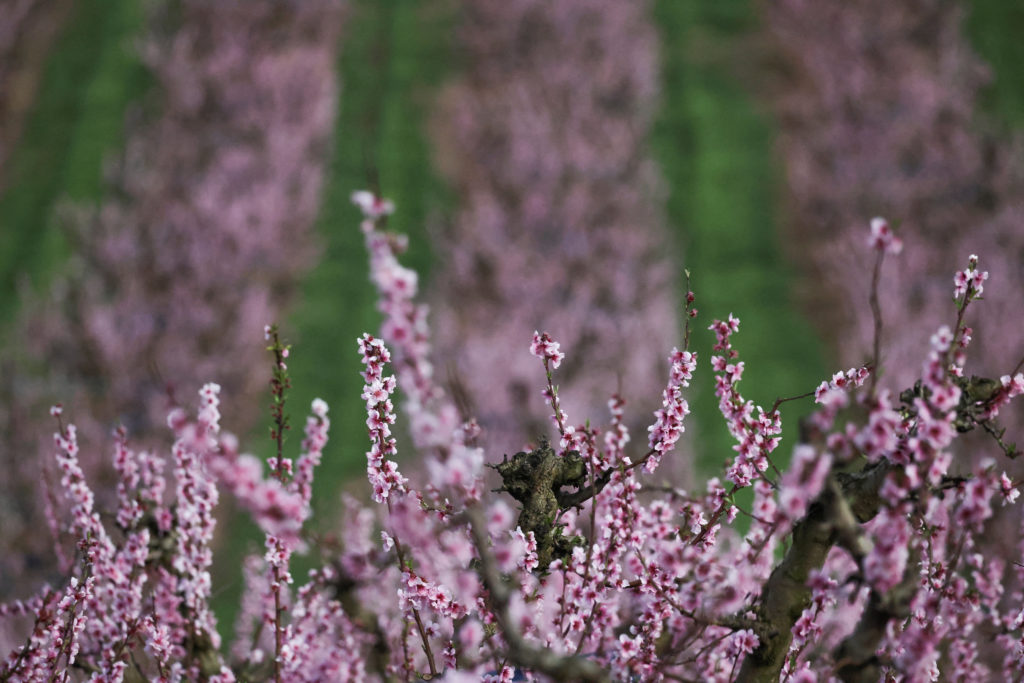
Is spring really, finally here? What to know about the vernal equinox
#vernal equinox #spring #astronomy #season #equator #daylight #Northern Hemisphere
📌 Key Takeaways
- The vernal equinox marks the official start of spring in the Northern Hemisphere.
- It occurs when the sun is directly above the equator, resulting in nearly equal day and night.
- This astronomical event signals longer days and warming temperatures ahead.
- The article addresses public anticipation for the seasonal change after winter.
📖 Full Retelling
🏷️ Themes
Seasonal Change, Astronomy
📚 Related People & Topics

Northern Hemisphere
Half of Earth that is north of the Equator
The Northern Hemisphere is the half of Earth that is north of the equator. For other planets in the Solar System, north is defined as being in the same celestial hemisphere relative to the invariable plane of the Solar System as Earth's North Pole. Due to Earth's axial tilt of 23.439281°, there is a...
Entity Intersection Graph
No entity connections available yet for this article.
Mentioned Entities
Deep Analysis
Why It Matters
The vernal equinox marks a significant astronomical event that affects billions of people worldwide through seasonal changes, agricultural cycles, and cultural traditions. This transition impacts farmers planning crops, meteorologists tracking weather patterns, and everyday people experiencing longer daylight hours and warmer temperatures. The equinox also holds cultural and spiritual significance for many communities who celebrate new beginnings and seasonal festivals. Understanding this celestial event helps people anticipate weather changes, plan outdoor activities, and connect with natural cycles that influence ecosystems and human activities globally.
Context & Background
- The vernal equinox occurs when the Sun crosses the celestial equator, making day and night approximately equal length worldwide
- This astronomical event has been observed for thousands of years, with ancient civilizations like the Mayans and Egyptians building structures aligned with equinoxes
- Different cultures celebrate the equinox through festivals like Nowruz (Persian New Year) and Holi (Hindu festival of colors)
- The timing of spring equinox varies between March 19-21 due to Earth's elliptical orbit and leap year adjustments
- Equinoxes are opposite in Northern and Southern hemispheres - when it's spring equinox in the north, it's autumn equinox in the south
- The term 'equinox' comes from Latin words 'aequus' (equal) and 'nox' (night)
What Happens Next
Following the vernal equinox, the Northern Hemisphere will experience progressively longer days and shorter nights until the summer solstice in June. Meteorological spring conditions will continue to develop with warmer temperatures, plant growth, and animal migrations. Many cultures will hold spring festivals and agricultural communities will begin major planting activities. Astronomers will observe how the changing sunlight affects various natural phenomena, while weather patterns transition toward more stable spring conditions over the coming weeks.
Frequently Asked Questions
The vernal equinox is the astronomical moment when the Sun crosses directly over Earth's equator, marking the official beginning of spring in the Northern Hemisphere. During this event, day and night are approximately equal in length worldwide. This occurs because Earth's axis is tilted neither toward nor away from the Sun.
The equinox signals a transition in solar energy distribution that gradually warms the Northern Hemisphere. This shift influences jet stream patterns, storm development, and temperature changes. However, weather patterns typically lag behind astronomical changes, so consistent spring weather often develops weeks after the equinox.
Many ancient civilizations developed equinox celebrations because these astronomical events provided reliable markers for agricultural planning and calendar systems. These traditions often symbolize renewal, balance, and new beginnings that align with seasonal changes. Modern celebrations continue these cultural connections to natural cycles.
Meteorological spring is based on temperature cycles and runs from March 1 to May 31 for consistent climate record-keeping. Astronomical spring begins with the vernal equinox and varies slightly each year. Meteorologists use fixed calendar months while astronomers follow celestial events for seasonal definitions.
No - while day and night are nearly equal worldwide during the equinox, the effects vary by latitude. Equatorial regions experience minimal seasonal changes, while polar regions undergo dramatic transitions. The equinox marks when the Sun rises due east and sets due west globally, but temperature changes depend on geographic location.