
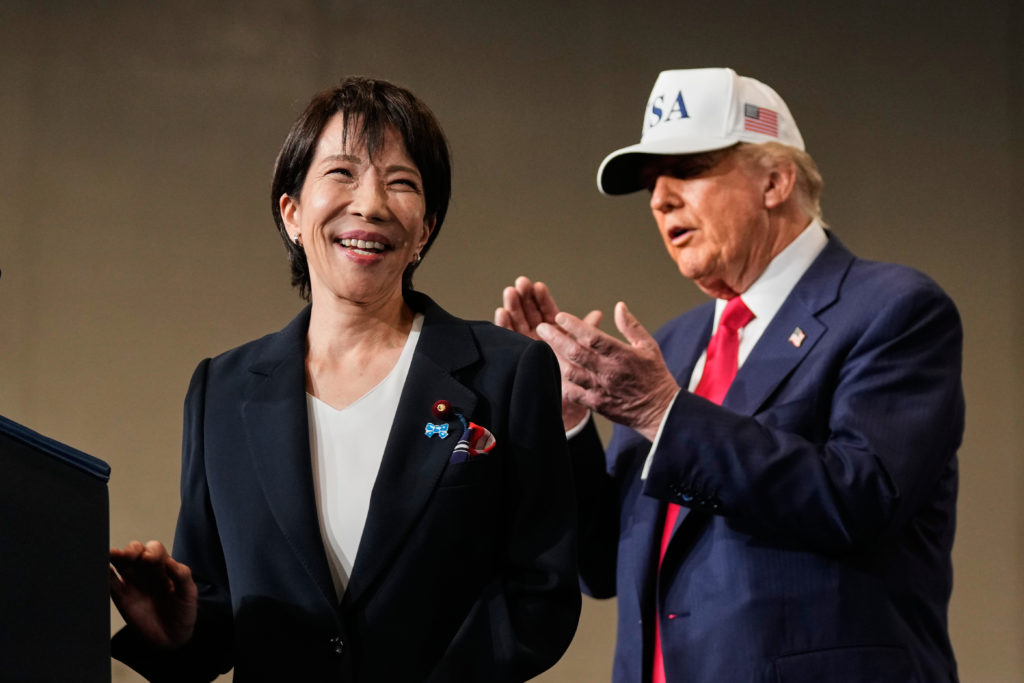
Japan's leader heads to Washington for a visit complicated by the Iran war fallout
#Japan #Washington #Iran #war #diplomacy #security #Fumio Kishida
📌 Key Takeaways
- Japanese Prime Minister Fumio Kishida is visiting Washington for diplomatic talks.
- The visit's agenda is complicated by the fallout from the Iran-Israel conflict.
- Discussions will likely focus on regional security and international alliances.
- The outcome may influence Japan's foreign policy and U.S.-Japan relations.
📖 Full Retelling
🏷️ Themes
Diplomacy, International Conflict
Entity Intersection Graph
No entity connections available yet for this article.
Deep Analysis
Why It Matters
This visit matters because Japan is a key U.S. ally in Asia, and the Iran war fallout complicates their shared security and economic interests. It affects U.S.-Japan relations, regional stability in Asia and the Middle East, and global energy markets. The outcome could influence Japan's defense posture, diplomatic balancing between the U.S. and other nations, and international efforts to manage the Iran conflict's spillover effects.
Context & Background
- Japan and the U.S. have a security treaty dating to 1960, with Japan hosting U.S. military bases critical to regional deterrence.
- Japan relies heavily on Middle Eastern oil imports, making stability in Iran and surrounding areas vital to its energy security.
- Historically, Japan has balanced its alliance with the U.S. with diplomatic ties to Iran, including past mediation efforts in regional tensions.
- Recent U.S.-Iran hostilities, such as strikes or proxy conflicts, have raised risks for Japanese interests and forced difficult policy choices.
What Happens Next
Expect discussions on coordinating responses to Iran, possibly including sanctions, maritime security in the Middle East, or humanitarian aid. The visit may lead to joint statements on defense cooperation or energy diversification. Follow-up diplomatic moves could involve Japan engaging with Iran or regional partners to de-escalate tensions, with outcomes influencing upcoming G7 or UN meetings.
Frequently Asked Questions
Japan depends on Middle Eastern oil and has diplomatic ties with Iran, so it must balance U.S. alliance pressures with its own economic and security interests. The fallout forces Japan to navigate potential conflicts between supporting U.S. policies and avoiding escalation that could disrupt energy supplies or regional stability.
Japan likely aims to reaffirm its alliance with the U.S. while seeking assurances on Middle East stability and energy security. It may also discuss defense cooperation, economic measures to offset Iran-related disruptions, and diplomatic strategies to mitigate the conflict's impact on global trade.
If Japan and the U.S. align closely on Iran, it could strengthen their alliance and joint security initiatives. However, disagreements over handling the fallout might strain ties, especially if Japan pursues independent diplomacy or resists U.S. pressure, impacting cooperation on issues like China or North Korea.
The conflict threatens Japan's oil imports from the Middle East, potentially raising energy costs and disrupting supply chains. It could also destabilize global markets, affect Japanese investments in the region, and force costly adjustments like diversifying energy sources or increasing defense spending.