
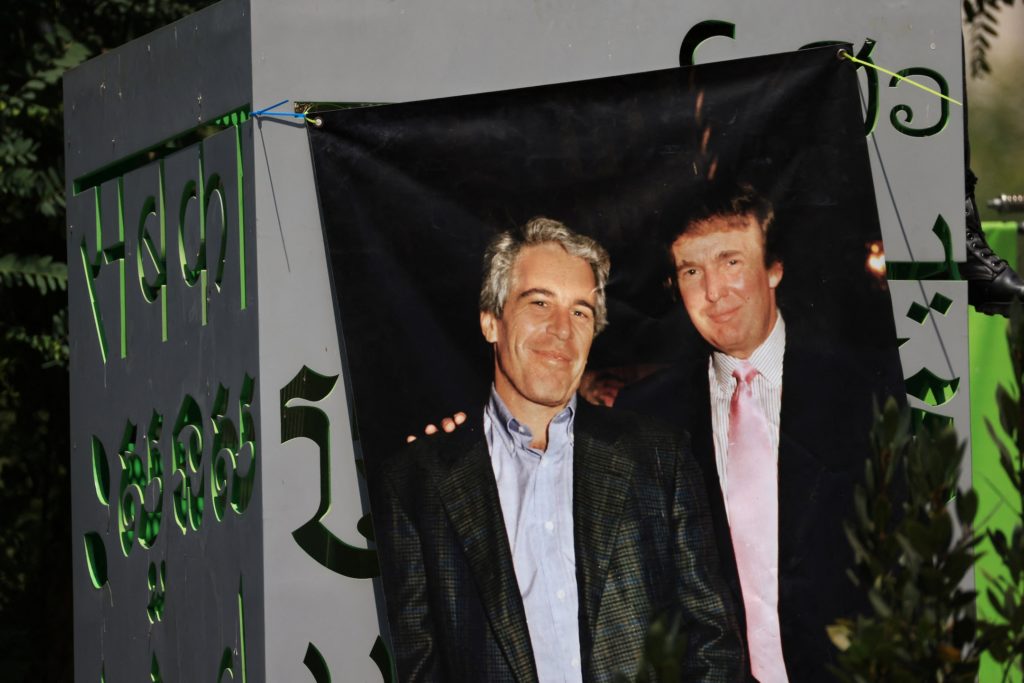
Khanna says 'stop protecting predators' as DOJ gives reasoning for redacting Epstein files
#Jeffrey Epstein #Department of Justice #redaction #politically exposed persons #Congress #Rep. Jim Khanna #predators #legal transparency #justice system #Ali Rogin
📌 Key Takeaways
- Congressional letter from the DOJ on Saturday lists politically exposed persons mentioned in the Epstein files.
- The letter explains DOJ’s rationale for redacting these individuals’ names.
- Rep. Jim Khanna condemns the redactions as a shield for ‘predators’ and calls for DOJ to stop protecting them.
- The issue raises questions about legal transparency and accountability in handling sensitive criminal documents.
- The Epstein files continue to fuel debate over the balance between privacy and public interest.
📖 Full Retelling
🏷️ Themes
Jeffrey Epstein scandal, Department of Justice transparency, Legal redaction and privacy, Political accountability, Congressional oversight
Entity Intersection Graph
No entity connections available yet for this article.
Deep Analysis
Why It Matters
The release of this list and the DOJ's justification for redactions is significant because it brings renewed public and congressional scrutiny to the powerful individuals connected to Jeffrey Epstein. It highlights the ongoing tension between government transparency and the protection of privacy or investigative integrity in a high-profile case.
Context & Background
- Jeffrey Epstein was a convicted sex offender who died in jail in 2019.
- The release of court documents related to his case has been a subject of intense public interest.
- The DOJ has been providing documents to Congress as part of its oversight responsibilities.
What Happens Next
Congress will likely review the DOJ's letter and its reasoning, potentially leading to further inquiries or requests for less redacted information. Public and media pressure may continue to build for fuller disclosure of the documents.
Frequently Asked Questions
Politically exposed persons are individuals who hold or have held prominent public positions, making them potentially higher-risk for involvement in corruption or other illicit activities.
The DOJ typically redacts information to protect privacy, ongoing investigations, or the identities of victims or other individuals not charged with crimes.