
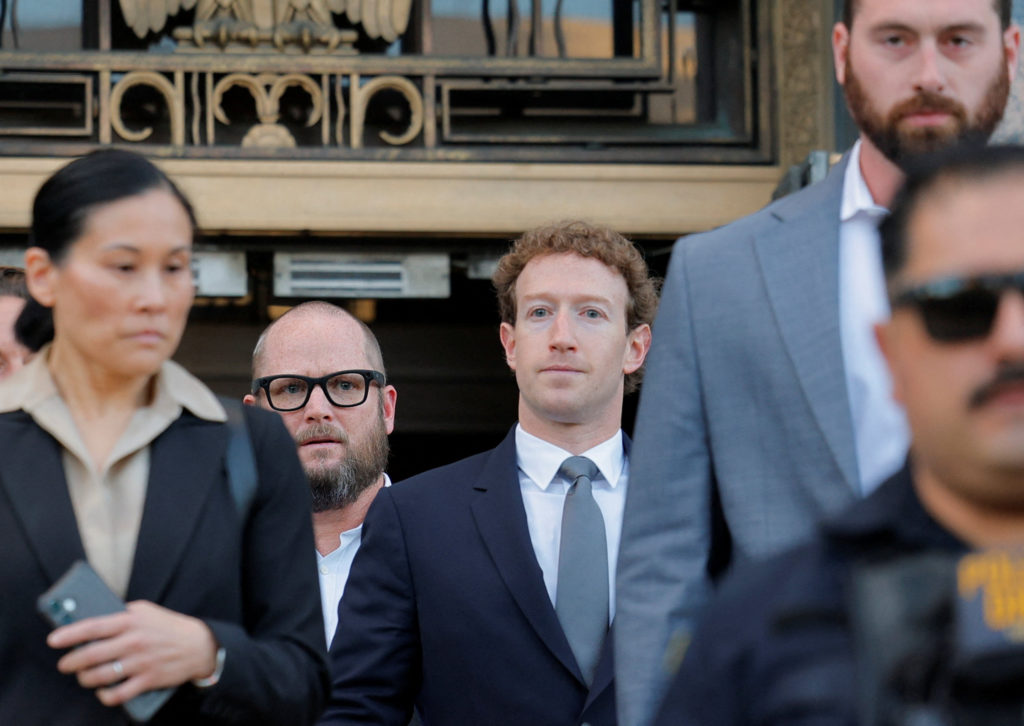
Lawyers deliver closing arguments in landmark social media addiction trial
#social media addiction #landmark trial #closing arguments #legal precedent #platform accountability
📌 Key Takeaways
- Closing arguments concluded in a landmark trial on social media addiction
- The case could set a legal precedent for holding platforms accountable for user harm
- Plaintiffs allege social media companies knowingly designed addictive features
- The outcome may influence future regulations and lawsuits in the tech industry
📖 Full Retelling
🏷️ Themes
Legal Accountability, Digital Health
Entity Intersection Graph
No entity connections available yet for this article.
Deep Analysis
Why It Matters
This trial represents a pivotal moment in holding social media companies accountable for their platforms' design and its impact on users, particularly youth. The outcome could establish legal precedents affecting how tech giants operate and implement safety features. It directly impacts millions of users who may have experienced negative mental health effects from social media use, while also influencing future regulations and corporate policies across the industry. The verdict could lead to significant financial liabilities for social media companies and potentially reshape platform design standards.
Context & Background
- Social media addiction concerns have grown over the past decade as platforms increasingly use algorithms designed to maximize user engagement and screen time
- Previous lawsuits against social media companies have focused on privacy violations and content moderation, but this represents a new frontier in alleging direct harm from platform design
- Research has shown correlations between heavy social media use and increased rates of anxiety, depression, and other mental health issues among adolescents and young adults
- The trial follows increased regulatory scrutiny of social media companies, including congressional hearings and proposed legislation aimed at protecting young users
What Happens Next
The judge or jury will deliberate following closing arguments, with a verdict expected within weeks. Regardless of the outcome, appeals are likely, potentially extending the legal process for months or years. The trial's conclusion may prompt similar lawsuits against other social media platforms and could influence ongoing legislative efforts to regulate social media design and youth protections.
Frequently Asked Questions
The plaintiffs allege that social media platforms intentionally designed addictive features that cause psychological harm, particularly to young users, leading to increased anxiety, depression, and other mental health issues through excessive use and engagement patterns.
While the article doesn't specify defendants, landmark social media addiction cases typically involve major platforms like Meta (Facebook, Instagram), TikTok, Snapchat, or YouTube that have faced previous allegations about their impact on youth mental health.
A ruling against the social media companies could lead to platform redesigns with fewer addictive features, increased parental controls, and better mental health resources. It might also establish legal rights for users harmed by platform designs.
These cases typically use product liability theories, arguing social media platforms are defectively designed products, or negligence claims alleging companies failed to protect users from foreseeable harms despite knowing about addiction risks.
A plaintiff victory could result in substantial damage awards and settlements, while also forcing companies to invest in redesigning platforms and implementing new safety measures, potentially affecting profitability and business models.