
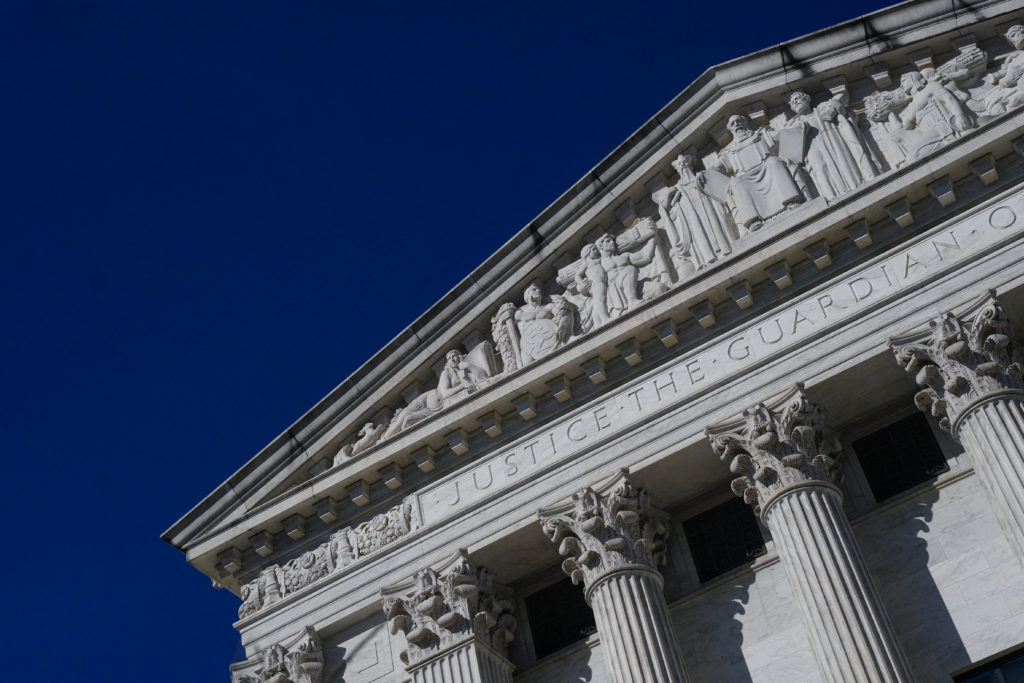
LISTEN LIVE: Supreme Court considers late-arriving mail ballot laws in case that may affect midterms
#Supreme Court #mail ballots #midterm elections #voting laws #election deadlines
📌 Key Takeaways
- The Supreme Court is hearing arguments on laws regarding late-arriving mail ballots.
- The case's outcome could impact procedures for the upcoming midterm elections.
- The hearing is being broadcast live for public access.
- The ruling may set a precedent for mail-in voting deadlines and validity.
📖 Full Retelling
🏷️ Themes
Election Law, Supreme Court
📚 Related People & Topics
Supreme court
Highest court in a jurisdiction
In most legal jurisdictions, a supreme court, also known as a court of last resort, apex court, high (or final) court of appeal, and court of final appeal, is the highest court within the hierarchy of courts. Broadly speaking, the decisions of a supreme court are binding on all other courts in a nat...
Entity Intersection Graph
Connections for Supreme court:
Mentioned Entities
Deep Analysis
Why It Matters
This Supreme Court case is crucial because it could determine whether mail ballots received after Election Day are counted, potentially affecting thousands of votes in upcoming elections. The ruling will impact election administrators, political campaigns, and voters who rely on mail voting, particularly elderly, disabled, and overseas citizens. The decision could create different standards across states, leading to confusion and legal challenges during the midterm elections. This case tests the balance between election integrity concerns and ensuring all legitimate votes are counted.
Context & Background
- The 2020 election saw unprecedented mail voting due to the COVID-19 pandemic, with over 65 million Americans voting by mail
- Multiple states extended mail ballot deadlines in 2020, leading to legal challenges about whether ballots received after Election Day should be counted
- The Supreme Court previously declined to intervene in similar cases before the 2020 election, leaving lower court rulings in place
- This case specifically examines whether state legislatures or state courts have authority to set election rules under the Elections Clause of the U.S. Constitution
- The 'independent state legislature' theory being tested could reshape how federal elections are administered nationwide
What Happens Next
The Supreme Court will hear oral arguments and likely issue a ruling by late June 2023, before the 2024 election cycle begins in earnest. State election officials will need to adjust procedures based on the ruling, potentially changing ballot deadlines and counting processes. The decision may trigger additional legislation in statehouses across the country as lawmakers respond to the Court's guidance on election authority.
Frequently Asked Questions
The Court is determining whether state courts can extend mail ballot receipt deadlines beyond what state legislatures have established, and whether the U.S. Constitution gives state legislatures exclusive authority over federal election rules.
The ruling could standardize or disrupt mail voting procedures nationwide, potentially determining whether ballots postmarked by Election Day but arriving later will count. This could significantly impact close races in battleground states with high mail voting usage.
As of 2022, about 20 states accept ballots after Election Day if postmarked by that date, with deadlines ranging from 1-14 days after the election. The Supreme Court decision could invalidate these extensions in some states.
This controversial legal theory suggests that state legislatures have nearly unlimited power over federal elections without oversight from state courts or governors. If adopted by the Supreme Court, it could dramatically change election administration.
Mail delays, voter procrastination, and postal service processing times can cause ballots to arrive late even when mailed before deadlines. Some voters also receive ballots shortly before Election Day due to registration or application timing issues.