

March Heat Wave Could Topple Records in Los Angeles and Phoenix
#heat wave #Los Angeles #Phoenix #record temperatures #March weather #extreme heat #climate patterns
📌 Key Takeaways
- A March heat wave is forecasted to break temperature records in Los Angeles and Phoenix.
- The heat wave is expected to bring unusually high temperatures for this time of year.
- Record-breaking conditions could pose health risks and strain energy resources.
- The event highlights the increasing frequency of extreme weather patterns.
🏷️ Themes
Climate, Weather
📚 Related People & Topics
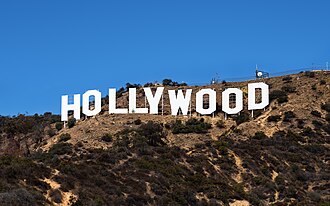
Los Angeles
Most populous city in California, U.S.
Los Angeles (often referred to by its initials, LA) is the most populous city in the U.S. state of California, and the commercial, financial, and cultural center of Southern California. With an estimated 3.88 million residents within the city limits as of 2024, it is the second-most populous city in...
Entity Intersection Graph
Connections for Los Angeles:
Mentioned Entities
Deep Analysis
Why It Matters
This heat wave matters because it threatens public health, particularly for vulnerable populations like the elderly, children, and those without access to cooling. It strains energy grids as demand for air conditioning spikes, risking power outages during an unseasonably warm period. The event also signals broader climate trends, with early-season heat becoming more frequent and intense due to global warming, impacting urban planning and emergency preparedness.
Context & Background
- March is typically a transitional month in the southwestern U.S., with average highs in Los Angeles around 68°F (20°C) and Phoenix around 77°F (25°C).
- Record highs for March in Los Angeles and Phoenix are approximately 95°F (35°C) and 99°F (37°C), respectively, based on historical data.
- Heat waves in early spring can be more dangerous than summer ones because populations are less acclimated to high temperatures and cooling systems may not be operational.
- The southwestern U.S. has experienced increasing heat extremes in recent decades, linked to climate change and urban heat island effects in cities like Phoenix and L.A.
What Happens Next
In the short term, cities may issue heat advisories, open cooling centers, and urge energy conservation to prevent grid overload. If records are broken, it could prompt reviews of early-warning systems and infrastructure resilience. Longer-term, such events may accelerate climate adaptation efforts, like expanding green spaces or updating building codes for better heat management.
Frequently Asked Questions
March heat waves are concerning because people and infrastructure are less prepared for high temperatures this early in the year, increasing health risks like heatstroke. Plants and wildlife may also be vulnerable due to unseasonable conditions affecting growth cycles.
While individual events can't be solely attributed to climate change, early-season heat waves are becoming more frequent and intense due to global warming. This aligns with trends of rising temperatures and shifting weather patterns in regions like the southwestern U.S.
Residents should stay hydrated, avoid outdoor activities during peak heat hours, use air conditioning or visit cooling centers if available, and check on vulnerable neighbors. Reducing energy use during peak times can also help prevent power outages.
Yes, early heat can increase water demand for irrigation and cooling, straining supplies in arid regions like Phoenix and L.A. It may also accelerate snowmelt in nearby mountains, affecting water availability later in the season.