
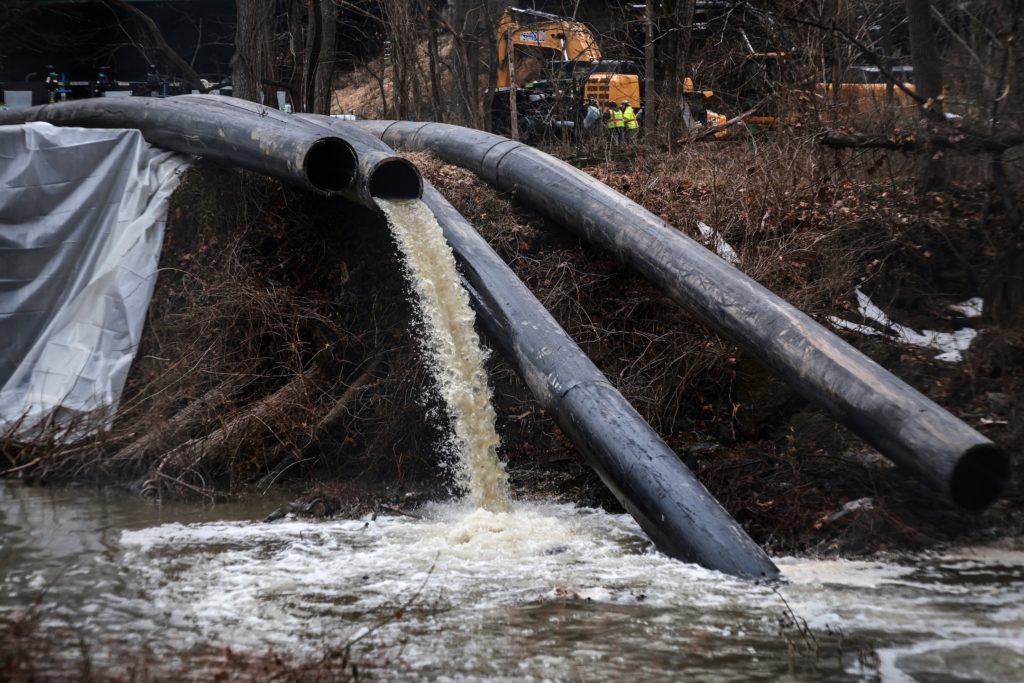
Massive sewage spill in Potomac River becomes a political flashpoint
#sewage spill #Potomac River #environmental disaster #infrastructure failure #water pollution #public health risk #Potomac Conservancy
📌 Key Takeaways
- Major sewer line collapse caused hundreds of millions of gallons of sewage to spill into Potomac River
- The spill is potentially one of the largest in U.S. history
- Environmental and political authorities are responding to contain the damage
- The incident highlights concerns about aging infrastructure and environmental oversight
📖 Full Retelling
🏷️ Themes
Environmental disaster, Infrastructure failure, Political response
📚 Related People & Topics

Potomac River
River in the Mid-Atlantic United States
The Potomac River ( ) is in the Mid-Atlantic region of the United States and flows from the Potomac Highlands in West Virginia to Chesapeake Bay in Maryland. It is 405 miles (652 km) long, with a drainage area of 14,700 square miles (38,000 km2), and is the fourth-largest river along the East Coast ...
Entity Intersection Graph
Connections for Potomac River:
View full profileMentioned Entities
Deep Analysis
Why It Matters
The spill threatens water quality in the Potomac River, a vital resource for Washington DC and surrounding communities, and could have long‑term ecological effects. Politically, it has sparked criticism of local infrastructure management and raised questions about environmental oversight.
Context & Background
- The Potomac River flows through Washington DC and is a key waterway for the region
- A major sewer line collapsed, releasing hundreds of millions of gallons of sewage
- Experts say it could be one of the largest sewage spills in U.S. history
What Happens Next
Cleanup crews are working to contain the contamination while investigators assess the cause of the collapse. The incident has prompted calls for infrastructure upgrades and stricter regulatory oversight, and officials are expected to release a detailed report soon.
Frequently Asked Questions
Hundreds of millions of gallons of untreated sewage were discharged before containment measures could be activated.
The collapse is attributed to aging infrastructure owned by the local sewer authority, but a formal investigation is underway to determine specific liability.
Authorities are accelerating infrastructure repairs, installing monitoring systems, and reviewing maintenance protocols to reduce the risk of similar incidents.