
Men's NCAA Tournament: What Makes a March Madness Cinderella Team, 2026 Options
#NCAA Tournament #March Madness #Cinderella team #underdog #double-digit seed #Elite Eight #NC State #Saint Peter's
📌 Key Takeaways
- Cinderella teams are underdog, double-digit seeds that make deep NCAA Tournament runs, often to the Elite Eight or beyond.
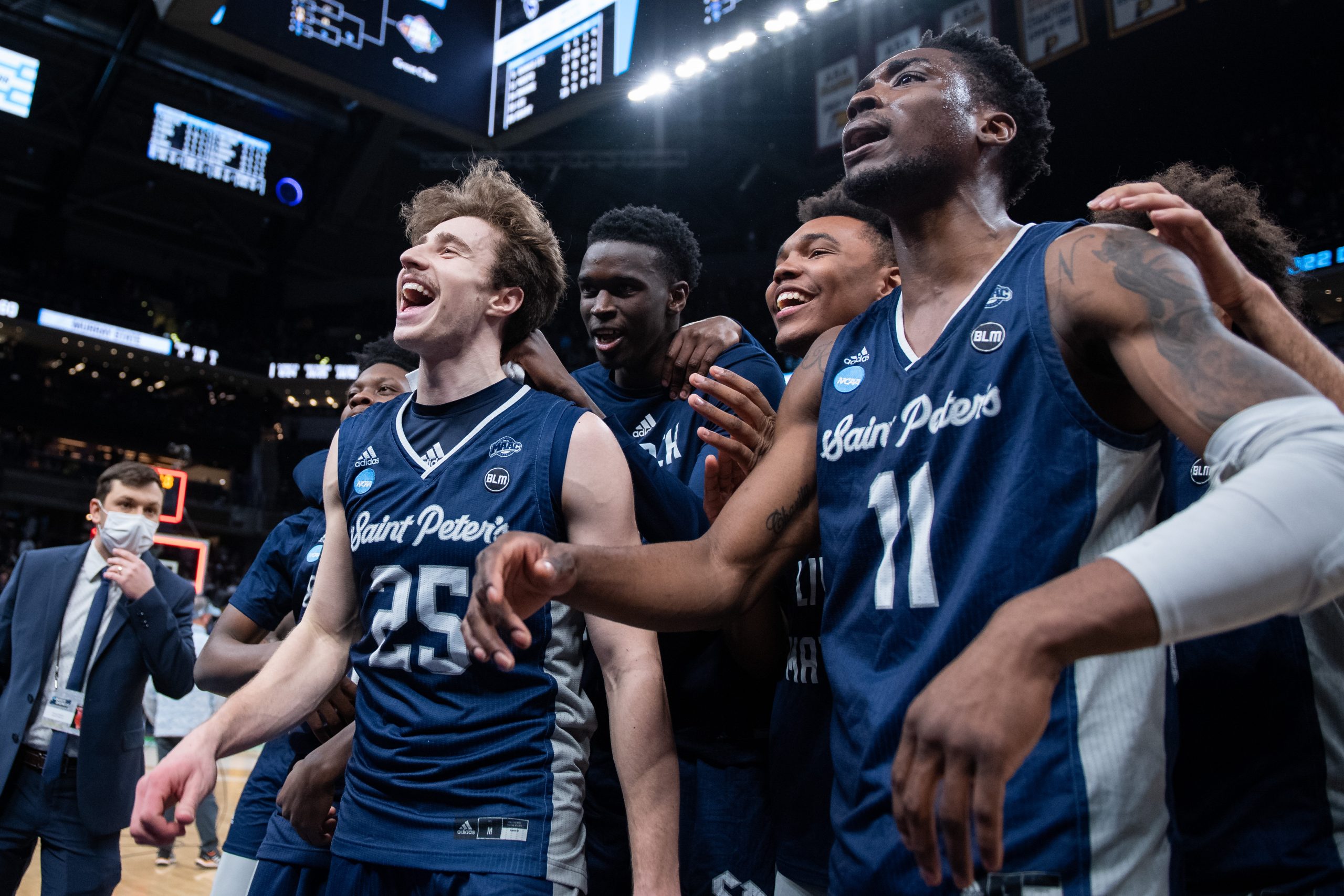
- Recent examples include 2024 NC State (11-seed, Final Four) and 2022 Saint Peter's (15-seed, Elite Eight).
- FOX Sports Research identifies specific traits that define these teams, analyzing past Cinderellas for common characteristics.
- The article previews potential Cinderella candidates for the 2026 tournament based on historical data patterns.
📖 Full Retelling
🏷️ Themes
March Madness, Cinderella Teams, NCAA Tournament
Entity Intersection Graph
No entity connections available yet for this article.
Deep Analysis
Why It Matters
This analysis matters because March Madness Cinderella stories represent one of the most compelling aspects of American sports culture, capturing national attention and inspiring underdog narratives. It affects college basketball fans, sports bettors, and the universities involved, as Cinderella runs can dramatically increase a school's visibility, recruitment potential, and revenue. The identification of Cinderella characteristics helps fans make more informed bracket predictions and enhances engagement with the tournament. For smaller schools, understanding these patterns could inform strategic approaches to tournament preparation and scheduling.
Context & Background
- The NCAA Men's Basketball Tournament began in 1939 with only 8 teams and has expanded multiple times to reach its current 68-team format
- The term 'Cinderella team' in sports refers to an underdog that achieves unexpected success, with the first notable NCAA example being Villanova's 1985 championship as an 8-seed
- Since the tournament expanded to 64 teams in 1985, only one 15-seed (Saint Peter's in 2022) has reached the Elite Eight, and no 16-seed won a game until UMBC defeated Virginia in 2018
- NC State's 2024 run marked the sixth time an 11-seed reached the Final Four, demonstrating that double-digit seeds can make deep tournament runs despite regular season struggles
What Happens Next
The 2026 tournament will begin in March 2026, with selection Sunday occurring in mid-March to determine the field of 68 teams. Analysts will begin identifying potential Cinderella candidates based on mid-major conference tournaments and teams with the identified characteristics. The expanded NCAA tournament format may continue to provide opportunities for underdogs, though conference realignment could affect traditional power dynamics. Sports media will produce numerous 'Cinderella watch' articles and segments in the weeks leading up to the tournament.
Frequently Asked Questions
According to FOX Sports Research, Cinderella teams typically share specific traits including strong defensive efficiency, experienced rosters, excellent three-point shooting, and favorable matchups in their tournament bracket. These teams often enter the tournament on hot streaks, having won their conference tournaments despite mediocre regular season records.
Cinderella stories resonate because they embody classic underdog narratives where smaller schools with limited resources compete against traditional powerhouses. These unexpected runs create memorable moments that become part of tournament lore, and they give casual fans compelling reasons to engage with games beyond just watching top-ranked teams.
A deep tournament run can transform a program by increasing national exposure, boosting recruitment of higher-caliber athletes, and generating additional revenue from merchandise sales and increased fan support. For smaller schools, this visibility can lead to conference realignment opportunities and improved facilities funding.
Predicting Cinderellas is challenging because these teams often have inconsistent regular season performances and benefit from specific tournament matchups that play to their strengths. The single-elimination format creates more variability than professional sports playoffs, allowing hot shooting nights or favorable officiating to disproportionately impact outcomes.
The definition has expanded as more double-digit seeds make deep runs, with 11-seeds now regularly reaching the Final Four. Increased parity in college basketball, transfer portal movement, and improved player development at mid-major programs have made Cinderella stories more frequent and potentially more sustainable throughout the tournament.