
Mexican military says 11 killed in raid targeting Sinaloa cartel leader
#Mexican military #Sinaloa cartel #raid #fatalities #organized crime #drug cartel #violence #Mexico
📌 Key Takeaways
- Mexican military conducted a raid targeting a Sinaloa cartel leader.
- The operation resulted in 11 fatalities.
- The raid highlights ongoing efforts to combat drug cartel violence.
- The incident underscores the persistent threat posed by organized crime in Mexico.
📖 Full Retelling
🏷️ Themes
Military Operation, Cartel Violence
📚 Related People & Topics

Mexican Armed Forces
Armed forces of the United Mexican States
The Mexican Armed Forces (Spanish: Fuerzas Armadas de México) are the military of the United Mexican States. They are composed of two independent branches: the Mexican Army—which includes land forces, the Mexican Air Force, the Special Forces Body, and the National Guard—and the Mexican Navy, which ...

Sinaloa Cartel
Transnational drug-trafficking organization
The Sinaloa Cartel (Spanish: Cártel de Sinaloa) is a large and powerful drug trafficking transnational organized crime syndicate based in Culiacán, Sinaloa, Mexico, that specializes in illegal drug trafficking and money laundering. The cartel's history is marked by evolution from a small crime syndi...
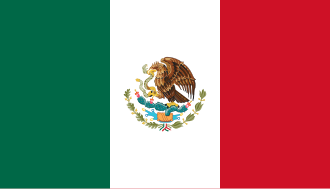
Mexico
Country in North America
Mexico, officially the United Mexican States, is a country in North America. It is the northernmost country in Latin America and borders the United States to the north, and Guatemala and Belize to the southeast; while having maritime boundaries with the Pacific Ocean to the west, the Caribbean Sea t...
Entity Intersection Graph
No entity connections available yet for this article.
Mentioned Entities
Deep Analysis
Why It Matters
This raid represents a significant escalation in Mexico's ongoing war against powerful drug cartels, particularly the Sinaloa Cartel which remains one of the world's most influential criminal organizations. The operation directly impacts Mexican citizens living in cartel-controlled regions who face daily violence and instability, while also affecting U.S.-Mexico relations given cross-border drug trafficking. The high casualty count demonstrates both the military's willingness to use force and the cartels' capacity for armed resistance, potentially influencing future security strategies in the region.
Context & Background
- The Sinaloa Cartel has operated for decades and was previously led by Joaquín 'El Chapo' Guzmán, who was extradited to the U.S. in 2017 and sentenced to life imprisonment
- Mexico has experienced over 350,000 homicides since 2006 when the government launched its military-led campaign against drug cartels
- The Sinaloa Cartel controls major drug trafficking routes into the United States and has diversified into other criminal activities including extortion and fuel theft
- Previous attempts to capture cartel leaders have often resulted in violent confrontations with high civilian and military casualties
What Happens Next
Mexican authorities will likely increase security operations in Sinaloa and neighboring states as the cartel may retaliate for the raid. The targeted leader's status (whether captured, killed, or escaped) will determine immediate cartel leadership dynamics and potential internal power struggles. U.S. law enforcement agencies will monitor the situation closely for impacts on drug trafficking patterns and border security.
Frequently Asked Questions
The Mexican government views military action as necessary to combat cartels' territorial control and violence, though critics argue this approach has failed to reduce overall crime rates. International pressure, particularly from the United States, also drives continued anti-cartel operations.
Short-term disruptions are likely as the cartel reorganizes, but historically such operations have minimal long-term impact on drug availability. Other cartels or internal factions may temporarily fill any supply gaps created by the raid.
Civilians in affected regions face increased risks of crossfire, cartel retaliation against communities, and potential human rights violations during heightened security operations. Many residents may experience restricted movement and economic disruption.
This represents the 'kingpin strategy' focusing on capturing or eliminating cartel leadership, though this approach has been criticized for fragmenting cartels into more violent factions. The operation demonstrates President López Obrador's continued use of military force despite his earlier promises to reduce violence.