
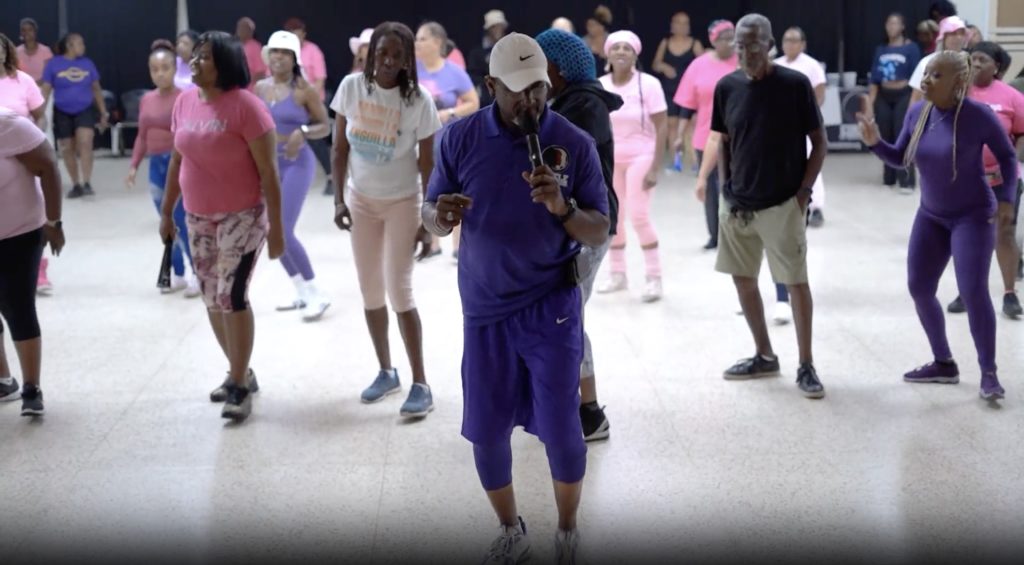
Miami group turns line dancing into therapy for grief and trauma
#line dancing #therapy #grief #trauma #Miami #mental health #community #healing
📌 Key Takeaways
- A Miami-based group uses line dancing as a therapeutic activity for processing grief and trauma.
- The initiative combines physical movement with emotional support to help participants heal.
- Community members gather regularly to dance, share stories, and build connections.
- The approach highlights alternative, accessible methods for mental health and wellness.
📖 Full Retelling
🏷️ Themes
Mental Health, Community Support
Entity Intersection Graph
No entity connections available yet for this article.
Deep Analysis
Why It Matters
This news highlights an innovative approach to mental health that makes therapeutic support more accessible and culturally relevant, particularly for communities that may be hesitant about traditional therapy. It demonstrates how creative interventions can address widespread issues like grief and trauma, which affect millions of people following losses, violence, or other distressing experiences. The program's success could inspire similar community-based initiatives nationwide, potentially reducing mental health stigma while providing tangible coping mechanisms through physical movement and social connection.
Context & Background
- Traditional grief counseling and trauma therapy typically occur in clinical settings with licensed professionals, which can create barriers due to cost, stigma, or cultural mismatches
- Dance/movement therapy has been recognized as a legitimate therapeutic modality since the 1940s, with research showing benefits for emotional expression, stress reduction, and social bonding
- Line dancing has roots in various cultural traditions including African, Native American, and European folk dances, and has been popular in Black and Latinx communities in the Southern U.S.
- Miami has diverse populations including many immigrants and communities affected by various traumas (natural disasters, migration stress, urban violence) who may benefit from alternative therapeutic approaches
- The COVID-19 pandemic created a 'shadow pandemic' of grief and trauma as millions lost loved ones while experiencing social isolation and disrupted mourning rituals
What Happens Next
The program will likely expand to additional locations and populations as word spreads about its effectiveness. Researchers may conduct formal studies to measure outcomes like reduced depression/anxiety symptoms or improved social connectedness. Similar initiatives may emerge in other cities adapting line dancing or other cultural dance forms to address mental health needs. The organizers might develop training programs to certify instructors in this therapeutic approach, creating a replicable model for community organizations.
Frequently Asked Questions
Line dancing provides rhythmic movement that can regulate the nervous system and release endorphins, while the structured patterns offer a sense of control and predictability that contrasts with the chaos of trauma. The synchronized group activity creates social connection and reduces isolation, and the music often evokes emotional expression in a safe, contained way.
Participants likely include people who have experienced various losses (death of loved ones, relationship endings), survivors of traumatic events, and those dealing with chronic stress or depression. The program appears particularly appealing to those who find traditional talk therapy intimidating or culturally mismatched, including older adults and communities with strong dance traditions.
No, this should be viewed as a complementary approach rather than a replacement for clinical treatment. While it provides therapeutic benefits, individuals with severe trauma or mental health conditions should still seek professional care. The program works best as part of a comprehensive support system that may include traditional therapy when needed.
Miami's diverse cultural makeup includes strong African, Caribbean, and Latin American influences where dance is deeply embedded in community life. The city has populations affected by various traumas including hurricane disasters, migration stress, and urban violence. Miami's warm climate also facilitates year-round outdoor gatherings that support this type of community program.
Absolutely. The core principles—rhythmic group movement, cultural relevance, social connection, and accessible structure—could apply to many activities. Similar benefits might come from drum circles, group yoga, choir singing, or martial arts when intentionally designed to address grief and trauma in specific communities.