
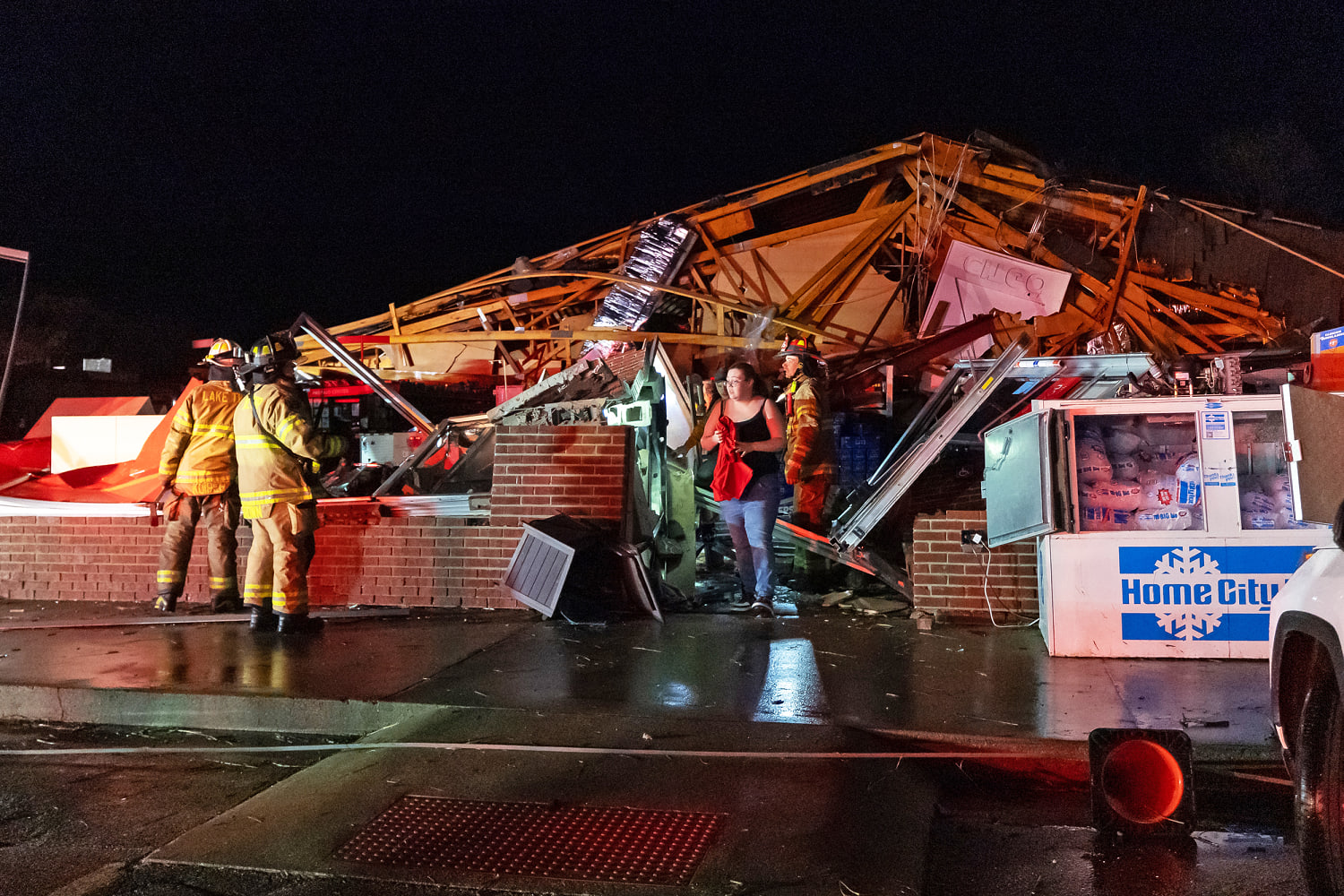
Millions face tornado and storm warnings after homes destroyed in Midwest
#tornado #storm warnings #Midwest #homes destroyed #severe weather #millions affected #safety precautions
📌 Key Takeaways
- Millions of people are under tornado and storm warnings in the Midwest.
- Homes have already been destroyed by severe weather in the region.
- The warnings indicate a continued and significant threat to life and property.
- Residents are urged to take immediate safety precautions.
📖 Full Retelling
🏷️ Themes
Severe Weather, Public Safety
📚 Related People & Topics

Midwestern United States
Census region of the United States
The Midwestern United States (also referred to as the Midwest, the Heartland, the American Midwest, middle America, or, datedly, the Middle West) is one of the four census regions defined by the United States Census Bureau. It occupies the northern central part of the United States. It was officiall...
Entity Intersection Graph
Connections for Midwestern United States:
View full profileMentioned Entities
Deep Analysis
Why It Matters
This severe weather event threatens millions of people across the Midwest with potentially life-threatening tornadoes and destructive storms, following confirmed property damage and home destruction. It affects residents' safety, emergency response systems, and local infrastructure while disrupting daily life and economic activities across multiple states. The warnings highlight ongoing climate patterns that increase severe weather frequency in tornado alley regions.
Context & Background
- The Midwest region, particularly 'Tornado Alley,' experiences peak tornado activity from April through June annually
- The National Weather Service issues tornado warnings when radar indicates rotation or spotters confirm funnel clouds, while watches indicate favorable conditions
- Recent years have shown increasing intensity and frequency of severe weather events linked to climate change patterns
- Midwest states typically have established tornado sirens, emergency alert systems, and public shelter protocols for such events
- Major tornado outbreaks in 2011 (Joplin) and 2013 (Moore) caused hundreds of fatalities and billions in damage, influencing current warning systems
What Happens Next
Emergency responders will conduct damage assessments and search operations in affected areas over the next 24-48 hours. The National Weather Service will likely survey damage paths to determine tornado intensity ratings (EF-scale). Additional storm systems may develop in the same region within 3-5 days as the weather pattern remains active. Insurance claims processing and federal disaster declarations could follow for hardest-hit communities.
Frequently Asked Questions
Immediately seek shelter in a basement or interior room on the lowest floor, away from windows. Monitor local weather updates and have emergency supplies ready including water, flashlights, and a weather radio.
Modern Doppler radar technology provides approximately 13 minutes average lead time for tornado warnings, a significant improvement from the 1980s. However, false alarm rates remain around 70% as meteorologists prioritize saving lives over precision.
Central plains states including Kansas, Oklahoma, Missouri, and Nebraska face the highest tornado frequency, though all Midwest states experience tornadoes. Urban areas face particular challenges with warning dissemination and shelter access.
While tornado frequency shows complex patterns, research indicates climate change increases atmospheric instability and extends tornado season duration. There's evidence suggesting a shift in tornado activity eastward from traditional Tornado Alley.
Homeowners should document damage with photos/videos before cleanup, contact insurance providers immediately, and register with FEMA if federal disaster declarations are made. Local Red Cross chapters typically provide temporary shelter and supplies.