

Netanyahu: Israel 'acted alone' against Iran gas compound
#Israel #Iran #gas compound #Netanyahu #military operation #security #strike
📌 Key Takeaways
- Israel conducted a military operation against an Iranian gas compound without external assistance.
- Prime Minister Netanyahu emphasized Israel's independent action in the strike.
- The target was specifically identified as an Iranian gas facility.
- The operation underscores Israel's unilateral approach to security threats from Iran.
📖 Full Retelling
🏷️ Themes
Military Action, International Relations
📚 Related People & Topics

Iran
Country in West Asia
# Iran **Iran**, officially the **Islamic Republic of Iran** and historically known as **Persia**, is a sovereign country situated in West Asia. It is a major regional power, ranking as the 17th-largest country in the world by both land area and population. Combining a rich historical legacy with a...
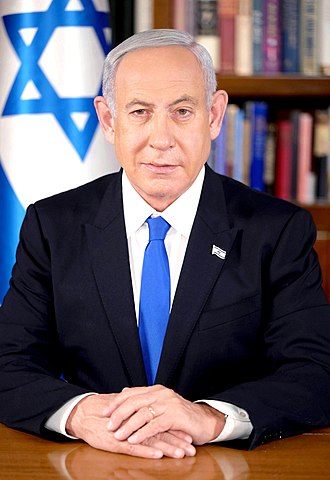
Benjamin Netanyahu
Prime Minister of Israel (1996–1999; 2009–2021; since 2022)
Benjamin "Bibi" Netanyahu (born 21 October 1949) is an Israeli politician and diplomat who has served as Prime Minister of Israel since 2022. Having previously held office from 1996 to 1999 and from 2009 to 2021, Netanyahu is Israel's longest-serving prime minister. Born in Tel Aviv, Netanyahu was r...

Israel
Country in West Asia
Israel, officially the State of Israel, is a country in the Southern Levant region of West Asia. It is bordered by Lebanon to the north, Syria to the northeast, Jordan to the east, and Egypt to the southwest. Israel occupies the West Bank and the Gaza Strip of the Palestinian territories, as well as...
Entity Intersection Graph
Connections for Iran:
Mentioned Entities
Deep Analysis
Why It Matters
This statement matters because it clarifies Israel's operational independence in military actions against Iran, which could escalate regional tensions and affect international diplomatic efforts. It impacts Israel-Iran relations directly, influences U.S. and European foreign policy calculations in the Middle East, and affects global energy markets due to Iran's role as a major gas producer. The declaration also has domestic political implications for Netanyahu's government amid ongoing regional security challenges.
Context & Background
- Israel and Iran have been engaged in a long-standing shadow war involving covert operations, cyber attacks, and targeted strikes across the Middle East.
- Iran's gas infrastructure is strategically important both for its domestic energy needs and as a potential export commodity, especially given international sanctions.
- Previous attacks on Iranian nuclear and military sites have often been attributed to Israel, though official confirmation is rare.
- The U.S. has historically been Israel's closest ally but has recently shown differing approaches to Iran, including attempts to revive nuclear diplomacy.
What Happens Next
Iran is likely to issue a formal diplomatic protest and may retaliate through proxy forces in Syria or Lebanon. International bodies like the UN may call for restraint, while the U.S. could face pressure to clarify its stance. Further covert actions or public disclosures about the attack's impact may emerge in coming weeks.
Frequently Asked Questions
Israel likely aims to disrupt Iran's energy revenue and industrial capabilities, which fund regional proxies and military programs. Such strikes also demonstrate Israel's ability to reach strategic Iranian assets.
The 'acted alone' claim suggests Israel did not coordinate with the U.S., potentially straining trust. The U.S. may need to balance support for Israel with efforts to de-escalate regional tensions.
While both sides often avoid direct large-scale war, miscalculation or escalating retaliations could increase risks. Iran's response through proxies remains a key variable.
As Prime Minister, his public claim reinforces Israel's deterrence posture and may aim to bolster domestic political support by projecting strength on security matters.