
Netanyahu says Iran’s uranium enrichment abilities destroyed
#Netanyahu #Iran #uranium enrichment #nuclear program #destruction #Israel #Middle East #diplomacy
📌 Key Takeaways
- Israeli Prime Minister Netanyahu claims Iran's uranium enrichment capabilities have been destroyed.
- The statement suggests a significant setback for Iran's nuclear program.
- No immediate details were provided on the method or verification of the destruction.
- The announcement may escalate regional tensions and international diplomatic responses.
📖 Full Retelling
🏷️ Themes
Nuclear Security, Geopolitical Tensions
📚 Related People & Topics

Iran
Country in West Asia
# Iran **Iran**, officially the **Islamic Republic of Iran** and historically known as **Persia**, is a sovereign country situated in West Asia. It is a major regional power, ranking as the 17th-largest country in the world by both land area and population. Combining a rich historical legacy with a...

Middle East
Transcontinental geopolitical region
The Middle East is a geopolitical region encompassing the Arabian Peninsula, Egypt, Iran, Iraq, the Levant, and Turkey. The term came into widespread usage by Western European nations in the early 20th century as a replacement of the term Near East (both were in contrast to the Far East). The term ...
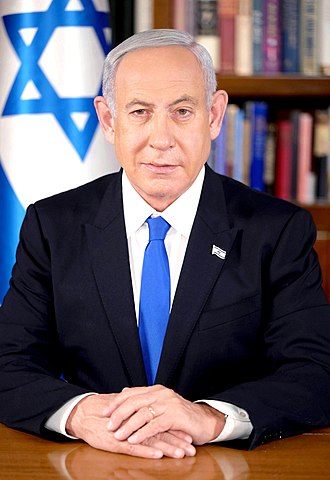
Benjamin Netanyahu
Prime Minister of Israel (1996–1999; 2009–2021; since 2022)
Benjamin "Bibi" Netanyahu (born 21 October 1949) is an Israeli politician and diplomat who has served as Prime Minister of Israel since 2022. Having previously held office from 1996 to 1999 and from 2009 to 2021, Netanyahu is Israel's longest-serving prime minister. Born in Tel Aviv, Netanyahu was r...

Israel
Country in West Asia
Israel, officially the State of Israel, is a country in the Southern Levant region of West Asia. It is bordered by Lebanon to the north, Syria to the northeast, Jordan to the east, and Egypt to the southwest. Israel occupies the West Bank and the Gaza Strip of the Palestinian territories, as well as...
Entity Intersection Graph
Connections for Iran:
Mentioned Entities
Deep Analysis
Why It Matters
This statement matters because it addresses one of the most significant geopolitical and security concerns of our time—Iran's nuclear capabilities. If true, it would dramatically alter the balance of power in the Middle East and potentially reduce immediate threats of nuclear proliferation. The claim affects international relations, regional stability, and global non-proliferation efforts, impacting countries involved in the Iran nuclear deal (JCPOA), Israel's security, and broader Middle Eastern dynamics. However, without verification from independent sources or Iran's confirmation, the statement's accuracy remains questionable and could be intended for political messaging rather than factual reporting.
Context & Background
- Iran has been developing uranium enrichment capabilities for decades, leading to international sanctions and the 2015 Joint Comprehensive Plan of Action (JCPOA) nuclear deal.
- Israel has consistently opposed Iran's nuclear program, viewing it as an existential threat, and has been accused of conducting covert operations against Iranian nuclear facilities.
- The JCPOA was abandoned by the U.S. in 2018 under President Trump, leading to Iran resuming and expanding its uranium enrichment activities beyond agreed limits.
- Previous incidents, such as the Stuxnet cyberattack (attributed to Israel and the U.S.) and explosions at Iranian nuclear sites, have targeted Iran's enrichment infrastructure.
- Iran has consistently denied seeking nuclear weapons, maintaining its program is for peaceful purposes, though international agencies have raised concerns about possible military dimensions.
What Happens Next
If verified, international inspectors from the IAEA would likely seek access to confirm the destruction, potentially leading to renewed diplomatic efforts or adjustments to sanctions. If unverified or disputed by Iran, tensions could escalate, with possible retaliatory actions or increased regional instability. Upcoming developments may include official responses from Iran, the U.S., and other JCPOA signatories, as well as potential shifts in nuclear negotiations or security postures in the Middle East.
Frequently Asked Questions
Uranium enrichment involves increasing the concentration of uranium-235 isotopes to create fuel for nuclear reactors or, at higher levels, for nuclear weapons. Iran's capabilities in this area have been a focal point of international concern due to potential weapons applications.
Netanyahu may be signaling a strategic victory to domestic and international audiences, reinforcing Israel's stance against Iran's nuclear program. It could also aim to influence ongoing nuclear negotiations or deter Iranian actions by showcasing Israel's capabilities.
Verification would require on-site inspections by the International Atomic Energy Agency (IAEA) or satellite imagery analysis. Iran's cooperation and transparency would be essential, but geopolitical tensions often hinder such access.
If true, it might reduce immediate pressures in negotiations, but Iran could view it as an act of aggression, complicating diplomacy. If false, it might undermine trust in future talks or escalate hostilities.
Yes, Israel has been linked to covert operations, including cyberattacks like Stuxnet and physical sabotage of Iranian nuclear sites. These actions reflect Israel's policy of preventing Iran from acquiring nuclear weapons.