
Netanyahu says Israel ‘stronger than ever’ in first speech since Iran war
#Netanyahu #Israel #Iran #war #speech #strength #defense
📌 Key Takeaways
- Netanyahu delivered his first public address following recent military tensions with Iran.
- He asserted that Israel's strength and resilience have increased despite the conflict.
- The speech emphasized national unity and readiness to defend against external threats.
- Netanyahu's comments signal a defiant stance amid ongoing regional instability.
📖 Full Retelling
🏷️ Themes
Israeli Politics, Regional Conflict
📚 Related People & Topics

Iran
Country in West Asia
# Iran **Iran**, officially the **Islamic Republic of Iran** and historically known as **Persia**, is a sovereign country situated in West Asia. It is a major regional power, ranking as the 17th-largest country in the world by both land area and population. Combining a rich historical legacy with a...
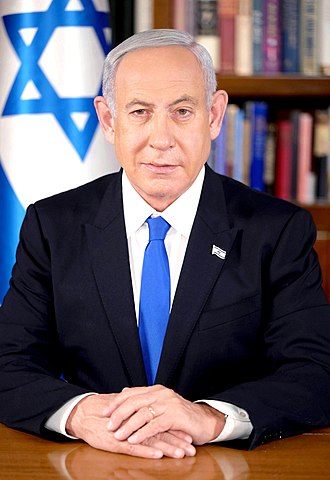
Benjamin Netanyahu
Prime Minister of Israel (1996–1999; 2009–2021; since 2022)
Benjamin "Bibi" Netanyahu (born 21 October 1949) is an Israeli politician and diplomat who has served as Prime Minister of Israel since 2022. Having previously held office from 1996 to 1999 and from 2009 to 2021, Netanyahu is Israel's longest-serving prime minister. Born in Tel Aviv, Netanyahu was r...

Israel
Country in West Asia
Israel, officially the State of Israel, is a country in the Southern Levant region of West Asia. It is bordered by Lebanon to the north, Syria to the northeast, Jordan to the east, and Egypt to the southwest. Israel occupies the West Bank and the Gaza Strip of the Palestinian territories, as well as...
Entity Intersection Graph
Connections for Iran:
Mentioned Entities
Deep Analysis
Why It Matters
This statement matters because it signals Israel's official response posture following the recent conflict with Iran, potentially shaping regional stability and future deterrence strategies. It affects Israeli citizens seeking reassurance about national security, Iran and its proxies considering future actions, and international allies monitoring Middle East tensions. The declaration of strength could influence diplomatic negotiations, military planning, and global energy markets that depend on Middle Eastern stability.
Context & Background
- Israel and Iran have engaged in shadow warfare for decades, with recent direct missile/drone exchanges marking significant escalation
- Benjamin Netanyahu leads Israel's longest-serving government coalition facing domestic pressure over Gaza war handling
- The U.S. helped intercept Iranian attacks in April 2024, testing the limits of American security guarantees to Israel
- Regional tensions involve proxy networks including Hezbollah in Lebanon and Houthis in Yemen targeting Israeli interests
What Happens Next
Israel will likely conduct strategic assessments of Iran's military capabilities while coordinating with U.S. on containment policies. Regional proxies may test Israel's declared strength through border skirmishes. International diplomatic efforts will intensify to prevent further escalation, possibly through renewed nuclear deal negotiations or regional security frameworks.
Frequently Asked Questions
The delay allowed for military damage assessments and strategic coordination with allies before defining Israel's public posture. It also provided time to consult with security cabinet members about response options and messaging.
Demonstrating strength against Iran could harden Israel's position in Gaza talks, potentially linking regional threats. However, it might also create diplomatic pressure to resolve one conflict while managing another.
This likely references successful interception of Iranian attacks, intelligence capabilities, and strengthened international defense partnerships. It may also signal enhanced readiness for multi-front conflicts.
Both nations appear to want to avoid all-out war while maintaining deterrence. Future engagements may return to proxy conflicts and cyber warfare rather than direct military exchanges.
Gulf states like Saudi Arabia and UAE are balancing security concerns with economic ties to both sides. Jordan's participation in intercepting drones shows some regional alignment against Iranian escalation.