
Netanyahu says Israeli strikes killed Iranian nuclear scientists
#Netanyahu #Israel #Iran #nuclear scientists #assassination #strikes #covert operations
📌 Key Takeaways
- Israeli Prime Minister Netanyahu claims Israeli strikes killed Iranian nuclear scientists
- The statement directly links Israel to targeted assassinations of scientific personnel
- The action is part of ongoing covert operations against Iran's nuclear program
- The claim escalates public tensions between Israel and Iran over nuclear ambitions
📖 Full Retelling
🏷️ Themes
Geopolitical Conflict, Nuclear Security
📚 Related People & Topics

Iran
Country in West Asia
# Iran **Iran**, officially the **Islamic Republic of Iran** and historically known as **Persia**, is a sovereign country situated in West Asia. It is a major regional power, ranking as the 17th-largest country in the world by both land area and population. Combining a rich historical legacy with a...
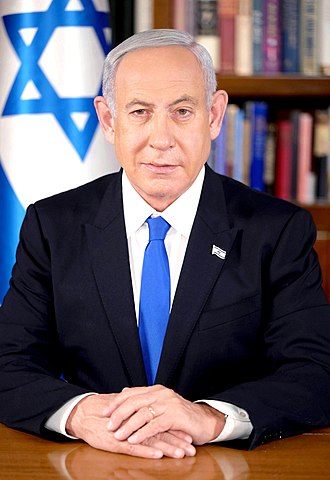
Benjamin Netanyahu
Prime Minister of Israel (1996–1999; 2009–2021; since 2022)
Benjamin "Bibi" Netanyahu (born 21 October 1949) is an Israeli politician and diplomat who has served as Prime Minister of Israel since 2022. Having previously held office from 1996 to 1999 and from 2009 to 2021, Netanyahu is Israel's longest-serving prime minister. Born in Tel Aviv, Netanyahu was r...

Israel
Country in West Asia
Israel, officially the State of Israel, is a country in the Southern Levant region of West Asia. It is bordered by Lebanon to the north, Syria to the northeast, Jordan to the east, and Egypt to the southwest. Israel occupies the West Bank and the Gaza Strip of the Palestinian territories, as well as...
Entity Intersection Graph
Connections for Iran:
Mentioned Entities
Deep Analysis
Why It Matters
This news matters because it represents a significant escalation in the covert conflict between Israel and Iran, potentially destabilizing regional security. It directly affects Iran's nuclear program ambitions and could trigger retaliatory measures from Tehran against Israeli or Western interests. The revelation by an Israeli leader also impacts international diplomatic efforts to contain Iran's nuclear capabilities and may influence upcoming nuclear deal negotiations.
Context & Background
- Israel has conducted numerous covert operations against Iran's nuclear program over decades, including cyberattacks like Stuxnet and assassinations of scientists
- Iran's nuclear program has been a major international concern since the 2000s, leading to sanctions and the 2015 JCPOA nuclear deal
- Tensions between Israel and Iran have intensified through proxy conflicts in Syria, Lebanon, and Yemen
- Previous Iranian nuclear scientists assassinations (like Mohsen Fakhrizadeh in 2020) were widely attributed to Israel but never officially claimed
What Happens Next
Iran will likely announce retaliatory measures within weeks, potentially through proxy attacks or cyber operations against Israeli targets. The International Atomic Energy Agency will face increased pressure to investigate Iran's nuclear activities more aggressively. This disclosure may complicate or derail ongoing efforts to revive the 2015 nuclear deal in upcoming negotiations scheduled for the next quarter.
Frequently Asked Questions
Israel may be signaling strength to deter Iran's nuclear advancement or influencing international negotiations. The timing could relate to domestic politics or upcoming diplomatic talks about Iran's nuclear program.
The loss of key scientists will likely delay Iran's nuclear progress temporarily, but Iran has demonstrated resilience in rebuilding its program after previous setbacks. The program may continue with increased security measures.
Direct military confrontation between Israel and Iran becomes more likely, potentially drawing in regional allies. The conflict could expand beyond covert operations to overt strikes, increasing regional instability.
Western nations will likely issue cautious statements while privately assessing intelligence. Arab states that normalized relations with Israel may face domestic pressure to condemn the actions.
Targeting civilian scientists generally violates international humanitarian law, though Israel would likely argue self-defense against an existential threat. The UN may investigate but face political obstacles.