
Nichols 2025 presentation: 10% profit growth, Africa strategy accelerates
#Nichols #profit growth #2025 #Africa strategy #expansion #financial goals #market development
📌 Key Takeaways
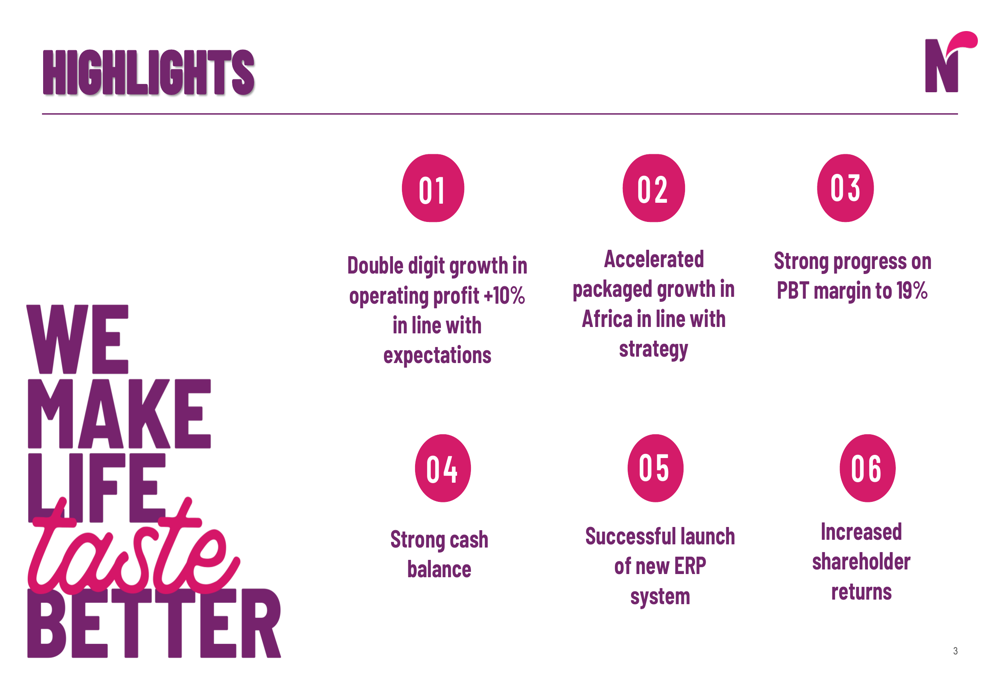
- Nichols projects 10% profit growth by 2025
- Company is accelerating its strategic focus on Africa
- Presentation outlines key financial and expansion goals
- Growth strategy emphasizes market development in Africa
🏷️ Themes
Corporate Strategy, Financial Growth
Entity Intersection Graph
No entity connections available yet for this article.
Deep Analysis
Why It Matters
This news matters because it signals strong financial performance and strategic expansion for Nichols, which affects investors, employees, and competitors in the beverage industry. The 10% profit growth demonstrates the company's operational efficiency and market strength, potentially boosting shareholder confidence and stock valuation. The accelerated Africa strategy indicates a major geographic expansion that could create new jobs, increase market competition, and provide growth opportunities in emerging markets. This dual focus on profitability and expansion shows Nichols is executing a balanced growth strategy that could reshape its position in the global beverage sector.
Context & Background
- Nichols is a UK-based soft drinks company best known for its Vimto brand, which has been in existence since 1908
- The company has historically had strong presence in the Middle East and North Africa regions, with Vimto being particularly popular during Ramadan
- In recent years, Nichols has faced challenges including sugar tax regulations, changing consumer preferences, and pandemic-related supply chain disruptions
- The beverage industry has seen increased consolidation and competition from both large multinational corporations and smaller craft brands
- Africa represents one of the fastest growing soft drink markets globally with increasing urbanization and disposable income
What Happens Next
Nichols will likely release detailed financial reports in the coming months showing quarterly performance against the 10% profit growth target. The company will probably announce specific African market entries, partnerships, or acquisitions in the next 6-12 months as part of the accelerated strategy. Investors and analysts will monitor whether the profit growth is sustainable and if African expansion delivers expected returns, with potential stock price adjustments based on performance against these targets. Regulatory filings and shareholder meetings will provide more details on the implementation timeline and capital allocation for the Africa expansion.
Frequently Asked Questions
A 10% profit growth target suggests strong financial performance that could lead to increased dividends, stock buybacks, or reinvestment for future growth. This growth rate, if achieved, would typically be viewed positively by investors as it indicates the company is outperforming inflation and many competitors. However, investors will want to see if this growth is sustainable and not achieved through cost-cutting that harms long-term prospects.
Africa represents a high-growth market with increasing urbanization, growing middle class, and favorable demographic trends for beverage companies. Nichols already has brand recognition in parts of Africa through its Vimto product, which is popular in Muslim communities during Ramadan. The continent offers potential for market share gains in regions with less established competition compared to saturated Western markets.
Major competitors like Coca-Cola, PepsiCo, and regional players may intensify marketing efforts, distribution partnerships, or pricing strategies in key African markets. Some competitors might accelerate their own African expansion plans or consider strategic acquisitions to strengthen their positions. The response will likely vary by region depending on each competitor's existing market strength and resources in specific African countries.
Risks include currency fluctuations, political instability in some regions, logistical challenges with distribution infrastructure, and navigating diverse regulatory environments across 54 countries. Cultural preferences and local competition also present challenges, as successful products in one region may not translate directly to others. Rapid expansion requires significant capital investment with uncertain returns, especially if market entry timing or product adaptation isn't optimal.
The 2025 presentation appears to balance short-term profitability targets with long-term geographic diversification, reducing dependence on traditional markets. This aligns with broader industry trends where beverage companies seek growth in emerging markets while maintaining financial discipline. The dual focus suggests Nichols is pursuing a sustainable growth model rather than prioritizing one aspect at the expense of the other.