
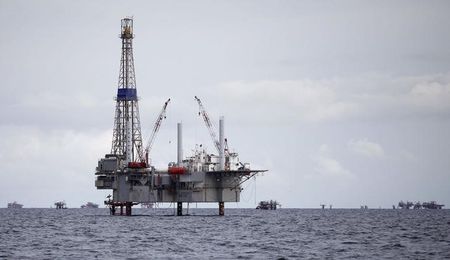
Oil prices volatile, pinned above $110/bbl after Trump’s 48-hr deadline on Iran
#Oil prices #$110/bbl #Trump #Iran deadline #volatile #energy markets #geopolitics
📌 Key Takeaways
- Oil prices remain volatile but are currently pinned above $110 per barrel.
- Market stability is being maintained despite a looming 48-hour deadline from Trump regarding Iran.
- The deadline is creating uncertainty in the energy sector.
- Geopolitical tensions are the primary driver of these price fluctuations.
- Traders are closely watching for updates on the Iran situation.
🏷️ Themes
Oil prices, Geopolitics, Energy markets
📚 Related People & Topics

Price of oil
Spot price of a barrel of benchmark crude oil
The price of oil, or the oil price, generally refers to the spot price of a barrel (159 litres) of benchmark crude oil—a reference price for buyers and sellers of crude oil such as West Texas Intermediate (WTI), Brent Crude, Dubai Crude, OPEC Reference Basket, Tapis crude, Bonny Light, Urals oil, Is...

Donald Trump
President of the United States (2017–2021; since 2025)
Donald John Trump (born June 14, 1946) is an American politician, media personality, and businessman who is the 47th president of the United States. A member of the Republican Party, he served as the 45th president from 2017 to 2021. Born into a wealthy New York City family, Trump graduated from the...
Entity Intersection Graph
Connections for Price of oil:
Mentioned Entities
Deep Analysis
Why It Matters
This news matters because oil price volatility directly impacts global economies, affecting everything from transportation costs to inflation rates. Consumers worldwide face higher fuel prices, while industries dependent on energy face increased operational costs. The geopolitical tension between the U.S. and Iran threatens Middle Eastern stability and could disrupt global oil supply chains, making this a critical issue for both energy markets and international security.
Context & Background
- The U.S. and Iran have had strained relations since the 1979 Iranian Revolution and subsequent hostage crisis.
- Iran is a major OPEC member with significant oil reserves, ranking among the world's top petroleum exporters.
- Previous U.S. sanctions on Iran have historically caused oil price spikes and supply disruptions in global markets.
- The Trump administration withdrew from the Iran nuclear deal (JCPOA) in 2018 and reinstated sanctions.
- Oil prices above $110/barrel represent multi-year highs that can trigger economic recessions when sustained.
What Happens Next
Markets will closely monitor Iran's response to Trump's deadline within the next 48 hours. If Iran rejects U.S. demands, additional sanctions or military actions could follow, potentially causing further oil price spikes. OPEC+ may consider emergency meetings to address supply concerns, while consuming nations might release strategic petroleum reserves to stabilize prices.
Frequently Asked Questions
Iran controls crucial shipping lanes like the Strait of Hormuz, through which about 20% of global oil passes. Any conflict risks disrupting these supply routes, causing immediate market panic and price increases as traders anticipate shortages.
Prices could remain elevated for weeks or months depending on geopolitical developments. Historical patterns show such spikes often persist until either supply concerns ease or economic slowdown reduces demand.
Developing nations with high oil import dependency suffer most, as they spend larger portions of GDP on energy. Major importers like India, China, and many European countries face economic pressure, while exporters like Saudi Arabia and Russia benefit.
While possible, both sides have historically avoided direct confrontation. However, miscalculations or proxy conflicts could escalate, particularly in Iraq or Syria where both nations have military presence.
Consumers face higher gasoline, heating, and electricity costs, reducing disposable income. Transportation costs increase for goods, leading to broader inflation that affects food prices and other essentials.