
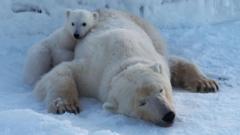
Polar bears on Norwegian islands fatter and healthier despite ice loss, scientists say
#polar bears #Svalbard #ice loss #climate adaptation #land prey #Norwegian islands
📌 Key Takeaways
- Svalbard polar bears are healthier and fatter despite ice loss.
- Bears have adapted by eating more land-based prey.
- Findings are significant for understanding species adaptation to climate change.
- Research stresses ongoing threats and the need for conservation efforts.
📖 Full Retelling
In an unexpected turn of events, scientists have reported that polar bears on the Svalbard archipelago in Norway are displaying signs of better health and increased weight despite significant losses in sea ice, which is a critical component of their natural habitat. These findings challenge previous assumptions about the vitality of polar bears in areas affected by climate change. Researchers attribute this surprising trend to the bears' ability to adapt to their changing environment by diversifying their diet.
Traditionally, polar bears have relied heavily on sea ice to hunt their primary prey, seals. The progressive melting of sea ice due to rising global temperatures was expected to severely affect the bears' ability to hunt, thus impacting their health and population numbers negatively. However, the bears residing on the islands of Svalbard have demonstrated remarkable resilience by altering their dietary habits to include more land-based prey. This shift has included dietary components such as bird eggs, reindeer, and other available terrestrial food sources, enabling the bears to sustain themselves despite the challenges posed by vanishing ice.
The study monitoring these bears points towards hopeful adaptive behaviors that might offer a blueprint for survival as environmental conditions continue to change. The findings underscore the notion that although climate change presents critical challenges to biodiversity, some species, such as the Svalbard polar bears, might possess the inherent ability to adjust their survival strategies significantly. However, scientists continue to caution that this adaptability does not negate the broader threat of climate change, which could bring more unpredictable impacts in future years.
This research highlights the importance of continuous monitoring and study of polar bear populations and their habitats in the context of climate change. The insights gathered could be vital in shaping conservation strategies aimed to preserve these iconic creatures in the wild. Furthermore, these findings emphasize the need for a collaborative international approach to mitigate the effects of global warming to ensure sustainable habitats for polar bears and numerous other species dependent on Arctic ecosystems.
🏷️ Themes
Animal Adaptation, Climate Change, Conservation
Entity Intersection Graph
No entity connections available yet for this article.