
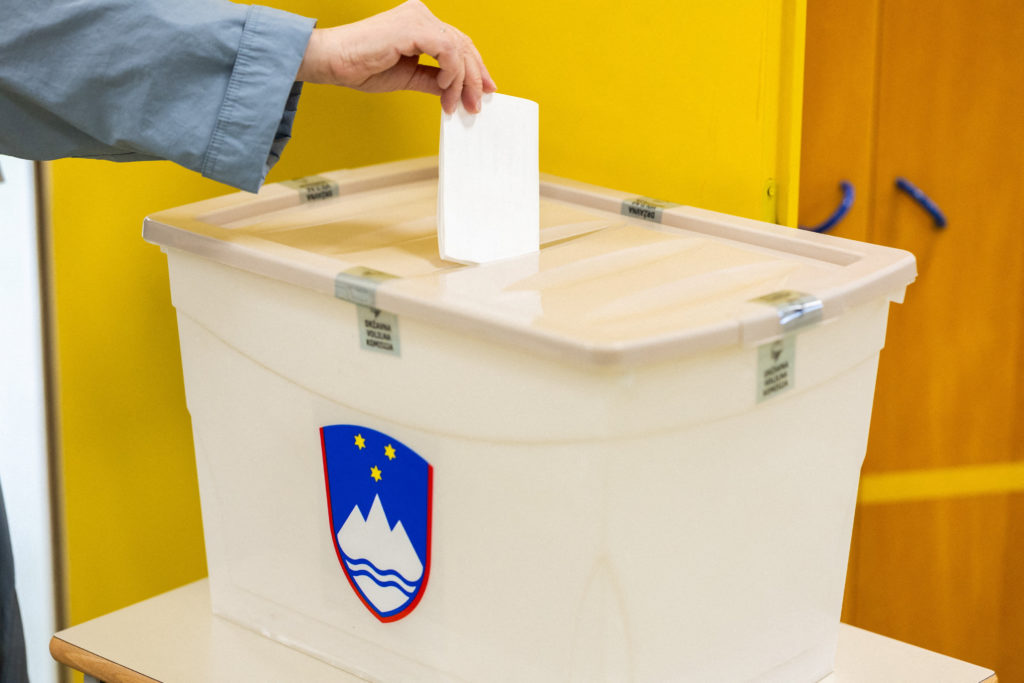
Polls close in Slovenia's highly contested parliamentary election as governing liberals face right-wing populists
#Slovenia #parliamentary election #polls close #liberals #right-wing populists #highly contested #governing party
📌 Key Takeaways
- Polls have closed in Slovenia's parliamentary election, marking the end of voting.
- The election is described as highly contested, indicating a close race.
- The governing liberal party is facing a challenge from right-wing populist opponents.
- The outcome will determine the future political direction of Slovenia.
📖 Full Retelling
🏷️ Themes
Elections, Political Shift
Entity Intersection Graph
No entity connections available yet for this article.
Deep Analysis
Why It Matters
This election matters because Slovenia, as a member of the European Union and NATO, could see a significant political shift that impacts regional stability and EU policy alignment. The outcome will determine whether the country continues its liberal, pro-European trajectory under Prime Minister Robert Golob or pivots toward nationalist, anti-immigration policies advocated by Janez Janša's right-wing populists. This affects Slovenian citizens through potential changes in economic policy, media freedom, and international relations, while also influencing EU dynamics regarding rule of law and democratic values.
Context & Background
- Slovenia has experienced political polarization between liberal and conservative forces since gaining independence in 1991.
- Janez Janša, leader of the Slovenian Democratic Party (SDS), has served three terms as prime minister and is known for his nationalist rhetoric and clashes with EU institutions.
- Current Prime Minister Robert Golob's Freedom Movement party came to power in 2022 after campaigning on green transition, media freedom, and anti-corruption measures.
- Slovenia joined both NATO and the EU in 2004, making its political orientation significant for European security and integration projects.
- Previous elections have seen high voter turnout, reflecting the population's engagement with the country's political direction.
What Happens Next
Vote counting will begin immediately, with preliminary results expected within hours and final results likely confirmed within 24-48 hours. If no single party wins a majority, coalition negotiations will commence, potentially involving smaller parties like the Social Democrats or New Slovenia. The new government formation process typically takes several weeks, with parliament convening to elect a prime minister. International observers from the EU and OSCE will monitor the process for compliance with democratic standards.
Frequently Asked Questions
The main contenders are current Prime Minister Robert Golob of the liberal Freedom Movement and former Prime Minister Janez Janša of the right-wing Slovenian Democratic Party (SDS). Golob advocates for progressive policies and EU integration, while Janša promotes nationalist and anti-immigration positions.
Key issues include economic management amid inflation, Slovenia's relationship with the European Union, migration policies, media freedom concerns, and environmental policies. The election serves as a referendum on whether Slovenia continues its liberal direction or shifts toward nationalist conservatism.
The outcome could influence EU policy alignment, particularly regarding rule of law, migration, and environmental regulations. A right-wing victory might align Slovenia with other EU members questioning Brussels' authority, while a liberal win would strengthen pro-integration forces within the bloc.
All major parties support NATO membership, but differences exist regarding defense spending and relations with Russia. The election outcome could affect Slovenia's contributions to NATO missions and its stance on supporting Ukraine against Russian aggression.
Slovenia uses a proportional representation system with a 4% threshold for parliamentary entry. The 90-seat National Assembly is elected through a combination of district and national lists, making coalition governments common as single parties rarely achieve majority control.