
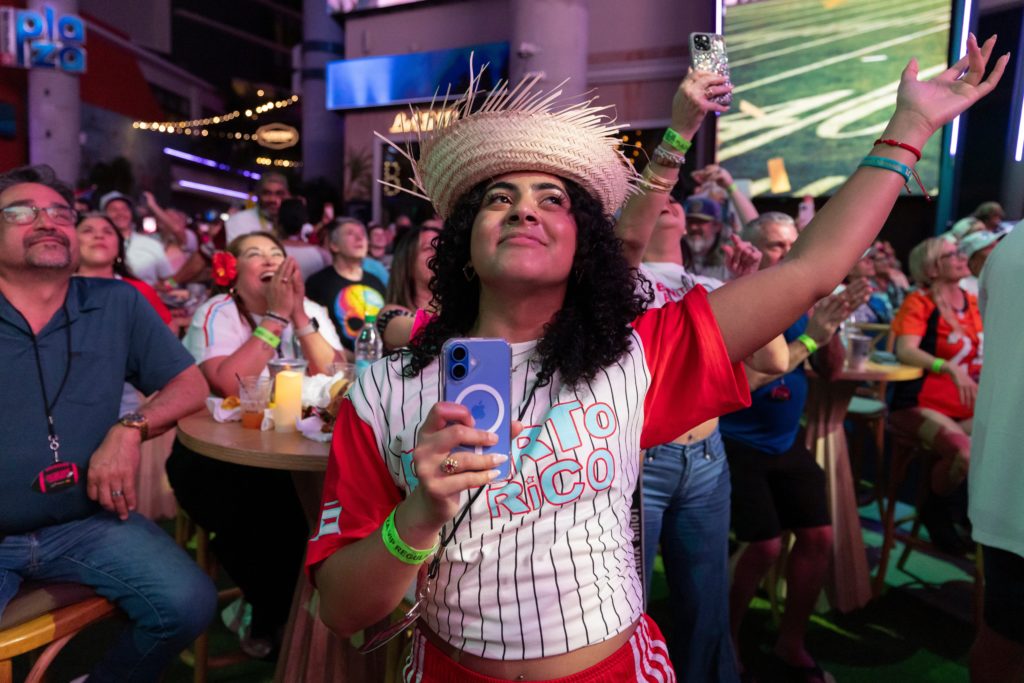
Puerto Rico stops for 13 minutes to applaud history and bask in Bad Bunny's spotlight
#Bad Bunny #Super Bowl XL #Puerto Rico #San Juan #Halftime Show #Latin Music #Boricua #Gentrification
📌 Key Takeaways
- Bad Bunny headlined the first all-Spanish Super Bowl halftime show on February 8, 2026.
- The performance served as a platform to highlight gentrification, power outages, and Puerto Rican identity.
- The historical event polarized audiences, sparking debates about language and US citizenship.
- Puerto Ricans celebrated the 'Benito Bowl' as a major win for Latino culture and global representation.
📖 Full Retelling
Music superstar Bad Bunny made history in San Juan and across the globe on Sunday, February 8, 2026, by headlining the first all-Spanish Super Bowl XL halftime show to celebrate Puerto Rican identity and highlight the island's ongoing socioeconomic struggles. The performance at Levi’s Stadium in Santa Clara served as a monumental cultural milestone for the Caribbean territory, prompting residents to pause their daily activities and ignore the football game itself to witness a fellow "Boricua" take the world's largest stage. In Puerto Rico, the 13-minute set transformed local gatherings into massive celebrations of national pride, as fans of all ages united to support the artist who rose from being a local grocery bagger to the world’s most-streamed musician.
The performance was more than just a musical medley; it was a deeply political and symbolic showcase of Puerto Rican life. Bad Bunny, born Benito Antonio Martínez Ocasio, incorporated elements that criticized U.S. immigration policies and brought attention to domestic issues such as gentrification and the island's failing power grid. Notably, the set featured appearances by fellow Puerto Rican icon Ricky Martin and included visual cues like exploding transformers and light posts, which served as a direct nod to the chronic electricity outages that plague the island. These artistic choices resonated with a population currently facing a poverty rate of over 40%.
While the show was met with overwhelming acclaim in Puerto Rico, it also sparked a polarized debate on social media. Critics, including public figures like Jake Paul, questioned the appropriateness of an all-Spanish performance during a quintessentially American sporting event. However, supporters and fans quickly countered these sentiments by emphasizing that Puerto Ricans are U.S. citizens and that Latin culture is an integral part of the American fabric. For the residents of San Juan, the "Benito Bowl" was a successful validation of their culture, proving that their language and struggles could command global attention without compromise.
🏷️ Themes
Cultural Identity, Social Activism, Music
Entity Intersection Graph
No entity connections available yet for this article.
Original Source
Bad Bunny has used his platform to applaud immigrants, sing about Puerto Rico's identity and turmoil and denounce U.S. immigration policies.
Read full article at source