
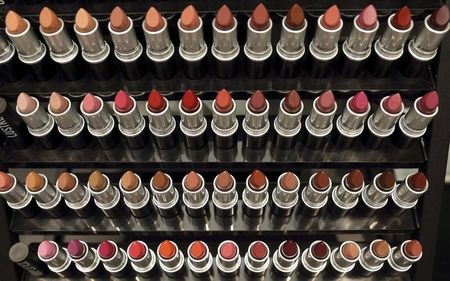
Puig, Estée Lauder families weigh stake balancing options for potential merger - report
#Puig #Estée Lauder #merger #stake balancing #luxury goods #beauty industry #family business #cosmetics
📌 Key Takeaways
- Puig and Estée Lauder families are exploring merger options
- Stake balancing arrangements are being evaluated in New York
- The merger would create a $100+ billion beauty industry powerhouse
- Complex family dynamics and corporate culture differences pose challenges
📖 Full Retelling
🏷️ Themes
Corporate Mergers, Family Business, Luxury Goods
📚 Related People & Topics
Puig
Topics referred to by the same term
Puig (Catalan pronunciation: [ˈputʃ]) is a word and surname of Catalan origin, meaning "hill" or "peak". The word derives from Latin podium meaning "balcony".
Entity Intersection Graph
Connections for Puig:
Mentioned Entities
Deep Analysis
Why It Matters
This potential merger between two major beauty industry players would create a global powerhouse worth over $100 billion, significantly reshaping the luxury beauty and fragrance market. Such a consolidation would affect consumers through potential product changes and pricing strategies, impact thousands of employees across both companies, and influence competitors in the rapidly growing beauty industry. The merger would particularly affect the Asian market where both companies have been expanding aggressively, potentially creating a dominant player in one of the world's most lucrative beauty regions.
Context & Background
- Puig is a Spanish luxury goods conglomerate founded in 1914, currently controlled by the Puig family, with a focus on fragrance and fashion brands.
- Estée Lauder Companies is an American multinational cosmetics corporation founded in 1946 by Estée Lauder and her husband Joseph, now controlled by the Lauder family.
- Both companies have expanded through acquisitions over decades, with Puig acquiring luxury fragrance houses and Estée Lauder building a portfolio of premium beauty brands.
- The beauty and fragrance industry has seen significant consolidation in recent years, with major players like L'Oréal, Unilever, and Procter & Gamble acquiring numerous brands.
- Family-controlled businesses often face unique challenges in mergers due to emotional attachments, legacy concerns, and governance structures that differ from publicly traded companies.
- The global luxury beauty market has been growing steadily, particularly in Asia, where both companies have made significant investments in recent years.
What Happens Next
Over the coming weeks, we can expect intensive negotiations between the families as they work through complex stake balancing arrangements and governance structures. Financial advisors and legal teams will continue to value the respective holdings and draft the merger agreement. If successful, the companies would likely announce the merger in the coming months, with regulatory approvals required in multiple jurisdictions. Integration planning would begin immediately after any announcement, with potential executive appointments and operational restructuring to follow. The timeline suggests that if negotiations proceed positively, we could see a finalized deal by the end of 2023 or early 2024.
Frequently Asked Questions
The potential merged entity would be valued at over $100 billion, creating one of the largest players in the global beauty and fragrance industry.
The combined portfolio would include Puig's brands like Jean Paul Gaultier, Carolina Herrera, and Paco Rabanne, along with Estée Lauder's brands such as MAC, Clinique, and Tom Ford Beauty.
Family-controlled businesses often have emotional attachments to their brands, legacy concerns, and unique governance structures that must be balanced with the practical business needs of a merger, making stake balancing more complex than in typical corporate mergers.
Consumers might see changes in product offerings, pricing strategies, and distribution channels, though both companies would likely aim to maintain the prestige and positioning of their individual brands to preserve customer loyalty.
The merger could create unprecedented economies of scale in production and distribution, potentially dominating the global luxury beauty market, particularly in Asia where both companies have been expanding aggressively.