
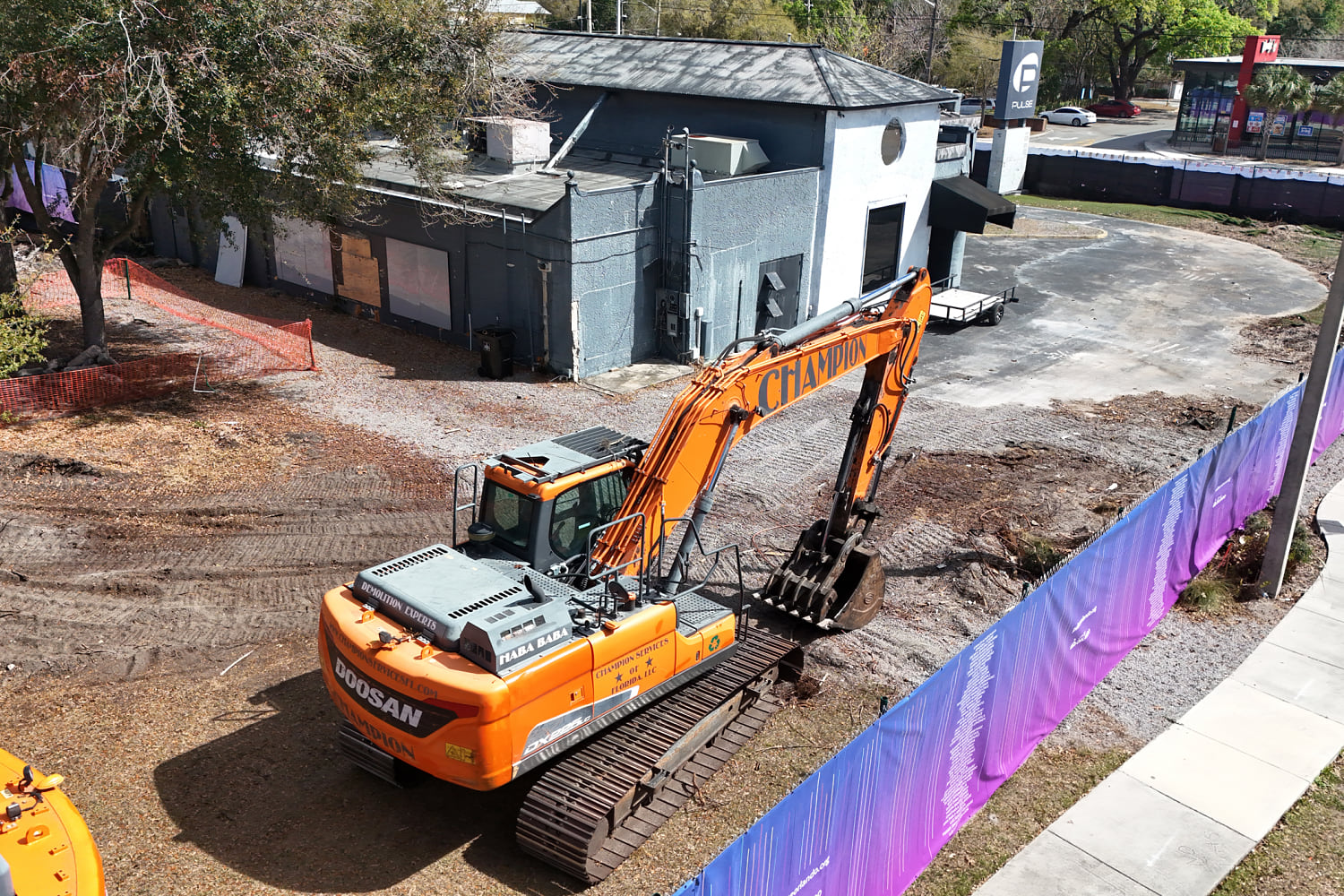
Pulse nightclub demolished nearly 10 years after massacre left 49 dead
#Pulse nightclub #demolition #Orlando #mass shooting #memorial #LGBTQ+ #49 dead #2016
📌 Key Takeaways
- Pulse nightclub in Orlando has been demolished nearly a decade after the 2016 mass shooting.
- The demolition marks a significant step in the site's transformation into a memorial and museum.
- The 2016 attack at the LGBTQ+ venue resulted in 49 fatalities and dozens of injuries.
- The demolition process was conducted with care, preserving artifacts for the future memorial.
📖 Full Retelling
🏷️ Themes
Memorialization, Mass Shooting Aftermath
📚 Related People & Topics

Pulse (nightclub)
Gay bar in Orlando, Florida
Pulse was a gay bar, dance club, and nightclub in Orlando, Florida, founded in 2004 by Barbara Poma and Ron Legler. On June 12, 2016, the club was the scene of the second-deadliest mass shooting by a single gunman in U.S. history, and the second-deadliest terrorist attack on U.S. soil since the Sept...
Entity Intersection Graph
No entity connections available yet for this article.
Mentioned Entities
Deep Analysis
Why It Matters
The demolition of Pulse nightclub marks a significant moment in the ongoing healing process for the LGBTQ+ community, survivors, and families of victims affected by one of the deadliest mass shootings in modern U.S. history. This event represents both the physical removal of a traumatic landmark and a symbolic step toward creating a permanent memorial honoring the 49 lives lost. The demolition affects not only Orlando's local community but also national conversations about gun violence, hate crimes, and memorialization of tragedy. It serves as a reminder of the ongoing need for societal protections for marginalized groups and the importance of commemorating victims of violence.
Context & Background
- The Pulse nightclub shooting occurred on June 12, 2016, when a gunman opened fire inside the Orlando LGBTQ+ nightclub, killing 49 people and wounding 53 others in what was then the deadliest mass shooting in modern U.S. history.
- The attack was investigated as both an act of terrorism and a hate crime, with the perpetrator having pledged allegiance to ISIS during the attack, though authorities found no direct coordination with the terrorist organization.
- Pulse had operated as a gay nightclub since 2004 and was particularly known for its Latin-themed nights, with many victims being part of Orlando's Latino LGBTQ+ community.
- In the years following the shooting, the site became an interim memorial with a growing collection of tributes, artwork, and messages from visitors worldwide.
- The onePULSE Foundation was established to create a permanent memorial and museum, though it has faced controversy over fundraising, design plans, and community involvement in recent years.
What Happens Next
The demolition clears the way for the planned construction of a permanent memorial and museum, though specific timelines remain uncertain due to ongoing fundraising and design challenges. Community groups will likely continue advocating for meaningful inclusion of survivors and victims' families in memorial planning. The 10th anniversary commemoration in June 2026 will represent a significant milestone, potentially coinciding with memorial construction progress. Legal proceedings may continue regarding the onePULSE Foundation's operations and the memorial's final design approval process.
Frequently Asked Questions
The demolition aligns with plans to replace the interim memorial with a permanent tribute, allowing construction to begin on the approved memorial and museum complex. The timing also precedes the 10th anniversary of the tragedy, marking a transitional period in the community's healing process.
Many items from the interim memorial have been carefully documented and preserved by the onePULSE Foundation and community archives. Selected artifacts will likely be incorporated into the permanent memorial or museum exhibits to honor the victims and preserve the community's response.
While the onePULSE Foundation has conducted community consultations, some families and survivors have expressed concerns about being adequately included in decision-making. Ongoing advocacy seeks to ensure their voices directly shape the memorial's design and educational components.
Unlike some tragedy sites that are completely erased, Pulse's demolition is specifically intended to make space for a purpose-built memorial, representing a transformation rather than erasure. The process has involved extensive community input about how to respectfully handle the physical space where the tragedy occurred.
The shooting spurred increased security measures at LGBTQ+ venues nationwide and renewed debates about gun control legislation. It also strengthened solidarity within and beyond the LGBTQ+ community, leading to enhanced hate crime monitoring and support systems for affected communities.