

Rick Scott says gas prices 'are going to be up for a while'
#Rick Scott #gas prices #inflation #energy policy #Biden administration #economic policies #fuel costs
📌 Key Takeaways
- Senator Rick Scott predicts sustained high gas prices in the near future.
- He attributes the increase to inflation and current economic policies.
- Scott criticizes the Biden administration's energy and spending strategies.
- The statement reflects ongoing political debate over energy costs and inflation.
📖 Full Retelling
🏷️ Themes
Energy Policy, Economic Inflation
📚 Related People & Topics

Rick Scott
American politician (born 1952)
Richard Lynn Scott (né Myers; born December 1, 1952) is an American attorney, businessman, politician, and Navy veteran serving as the senior United States senator from Florida, a seat he has held since 2019. A member of the Republican Party, he served from 2011 to 2019 as the 45th governor of Flor...
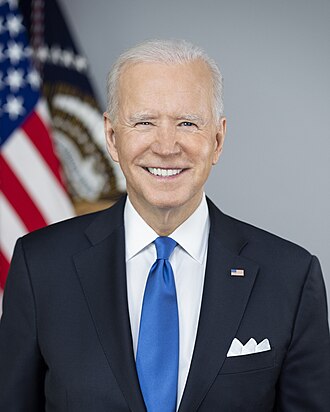
Presidency of Joe Biden
2021–2025 U.S. presidential administration
Joe Biden's tenure as the 46th president of the United States began with his inauguration on January 20, 2021, and ended on January 20, 2025. Biden, member of the Democratic Party, had previously served as the 47th vice president from 2009 to 2017 under President Barack Obama, took office after defe...
Entity Intersection Graph
Connections for Rick Scott:
View full profileMentioned Entities
Deep Analysis
Why It Matters
This statement matters because gas prices directly impact household budgets for millions of Americans, affecting commuting costs, grocery prices, and overall inflation. It signals potential prolonged economic pressure on consumers and businesses that rely on transportation. The prediction from a prominent senator suggests policymakers anticipate continued energy market volatility that could influence upcoming elections and policy debates.
Context & Background
- U.S. gas prices reached record highs in 2022 following Russia's invasion of Ukraine and subsequent sanctions
- The Biden administration released 180 million barrels from the Strategic Petroleum Reserve in 2022 to combat price spikes
- OPEC+ production cuts in 2023-2024 have contributed to maintaining higher global oil prices
- U.S. became a net exporter of petroleum products in recent years but remains sensitive to global market fluctuations
What Happens Next
Consumers should expect continued volatility at the pump through the summer driving season, with potential relief possible in fall 2024 if global production increases. The Federal Reserve will monitor energy prices as part of inflation calculations for interest rate decisions. Congressional debates over energy policy and strategic reserve management will likely intensify ahead of the November elections.
Frequently Asked Questions
Multiple factors including OPEC+ production cuts, geopolitical tensions in oil-producing regions, and seasonal demand increases during summer driving months are contributing to sustained pressure on fuel prices. Refinery maintenance schedules and global economic conditions also influence supply and pricing.
Higher gas prices increase transportation costs for goods and services, contributing to overall inflation. They reduce consumers' disposable income for other purchases and can slow economic growth, particularly affecting lower-income households who spend a larger percentage of their budget on fuel.
Governments can release strategic petroleum reserves, adjust fuel tax rates, or implement price controls in some cases. Longer-term solutions include promoting alternative energy sources, increasing domestic production, or negotiating with oil-producing nations, though these approaches involve trade-offs and political considerations.
Political predictions often reflect current market analysis but can be influenced by partisan perspectives. Energy economists typically provide more nuanced forecasts based on supply-demand fundamentals, though unexpected geopolitical events frequently disrupt even expert predictions in this volatile market.