
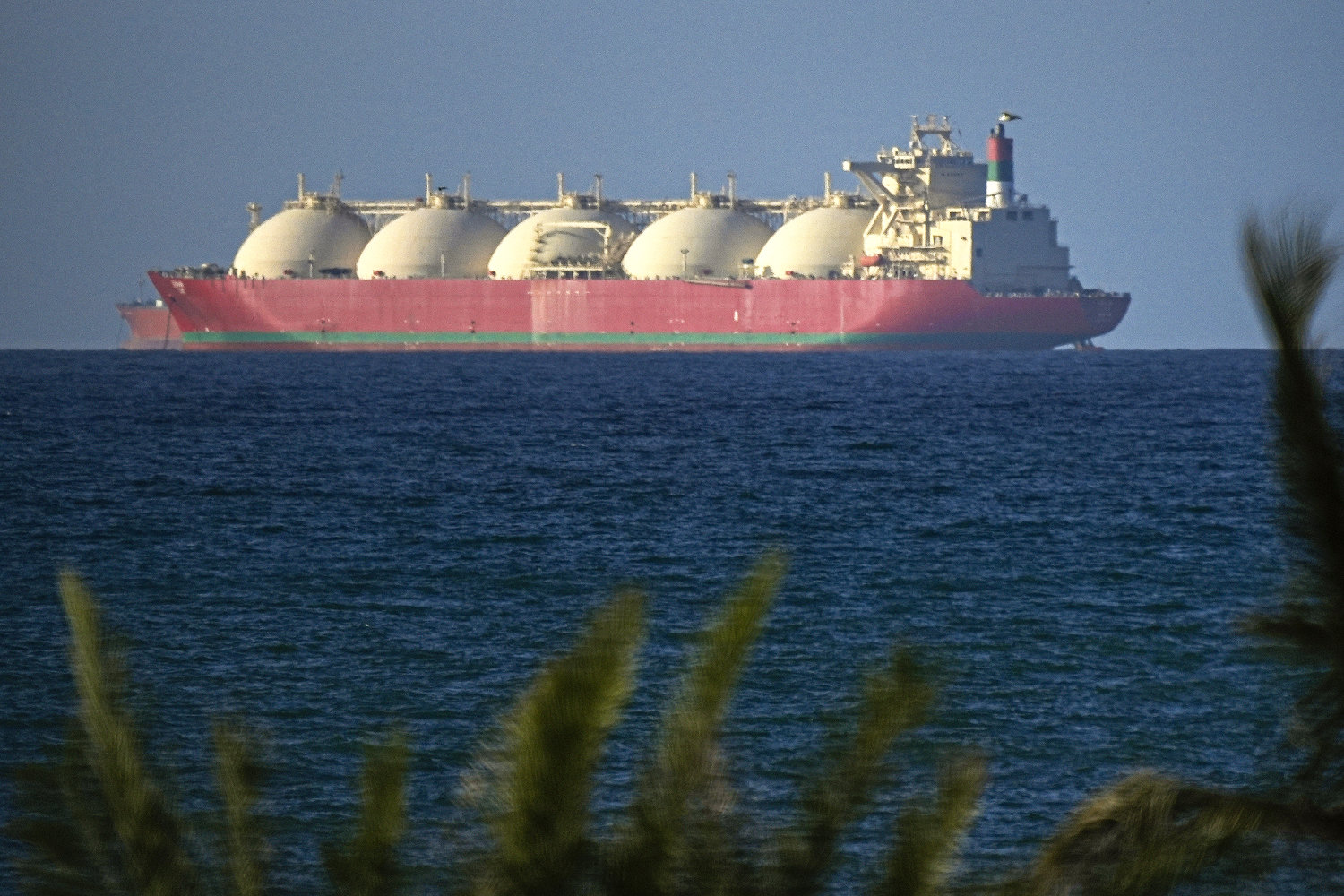
Strait of Hormuz shipping traffic is effectively at a standstill despite Iran ceasefire
#Strait of Hormuz #shipping traffic #Iran ceasefire #maritime security #global trade #oil transport #U.S.-Iran relations
📌 Key Takeaways
- Traffic in the Strait of Hormuz is at a virtual standstill as of Thursday.
- Only a handful of ships have passed through since the U.S.-Iran ceasefire announcement.
- The disruption impacts a critical global waterway for oil and energy transport.
- Shipping companies appear to be maintaining extreme caution despite the diplomatic agreement.
📖 Full Retelling
🏷️ Themes
Maritime Security, International Trade, Geopolitics, Energy Markets
📚 Related People & Topics

Strait of Hormuz
Strait between the Gulf of Oman and the Persian Gulf
The Strait of Hormuz ( Persian: تنگهٔ هُرمُز Tangeh-ye Hormoz , Arabic: مَضيق هُرمُز Maḍīq Hurmuz) is a strait between the Persian Gulf and the Gulf of Oman. It provides the only sea passage from the Persian Gulf to the open ocean and is one of the world's most strategically important choke points. ...
Entity Intersection Graph
Connections for Strait of Hormuz:
Mentioned Entities
Deep Analysis
Why It Matters
This news is critical because the Strait of Hormuz is a primary gateway for a significant portion of the world's oil supply, meaning prolonged disruptions can lead to spikes in global energy prices and economic instability. It affects a wide range of stakeholders, including consumers facing higher fuel costs, shipping companies losing revenue, and nations reliant on energy imports from the Persian Gulf. Furthermore, the market's hesitation to trust the ceasefire underscores the deep-seated geopolitical risks that can override diplomatic agreements in the short term, threatening the smooth operation of international trade.
Context & Background
- The Strait of Hormuz is a narrow maritime chokepoint situated between the Persian Gulf and the Gulf of Oman.
- Approximately 20-25% of the world's oil consumption passes through this strait on a daily basis.
- Tensions between the United States and Iran have historically impacted maritime security in the region, leading to periodic threats of closure.
- Shipping companies require specific 'war risk' insurance to operate in high-risk zones, which can become prohibitively expensive or withdrawn during conflicts.
- Past incidents in the region have included attacks on commercial vessels and the seizure of tankers by regional forces.
What Happens Next
Stakeholders in the shipping and insurance industries will likely monitor the enforcement of the truce closely over the coming days and weeks before resuming normal operations. If the standstill persists, global oil prices may rise due to supply fears, potentially prompting governments to release strategic reserves. Diplomatic efforts will likely focus on providing concrete security guarantees to the maritime industry to restore confidence in the waterway.
Frequently Asked Questions
Shipping companies and insurers are exercising extreme caution because they do not yet trust that the ceasefire will hold or that security risks have truly diminished.
It is a vital maritime artery through which a significant portion of the world's oil supply is transported, making it a critical chokepoint for global energy security.
This disruption primarily affects global energy markets, shipping companies, insurers, and any countries that rely heavily on oil imports passing through the Persian Gulf.
Analysts suggest it may take time for confidence to return, as stakeholders wait for concrete confirmation of stability and enforcement of the truce before risking assets.