

Supreme Court Limits Liability Of Internet Providers When Their Service Is Used For Music Piracy
#Supreme Court #internet providers #music piracy #liability #copyright infringement #legal ruling #service platforms
📌 Key Takeaways
- Supreme Court rules internet providers not liable for user music piracy
- Decision protects providers from copyright infringement lawsuits
- Case involved music industry suing over unauthorized sharing
- Ruling clarifies legal responsibilities of service platforms
📖 Full Retelling
🏷️ Themes
Copyright Law, Internet Regulation
📚 Related People & Topics
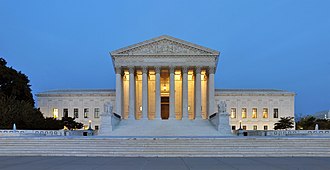
Supreme court
Highest court in a jurisdiction
In most legal jurisdictions, a supreme court, also known as a court of last resort, apex court, high (or final) court of appeal, and court of final appeal, is the highest court within the hierarchy of courts. Broadly speaking, the decisions of a supreme court are binding on all other courts in a nat...
Entity Intersection Graph
Connections for Supreme court:
Mentioned Entities
Deep Analysis
Why It Matters
This Supreme Court decision significantly impacts the digital economy by clarifying when internet service providers can be held responsible for copyright infringement occurring on their networks. It affects millions of internet users, content creators, and technology companies by establishing clearer boundaries for online liability. The ruling protects ISPs from excessive litigation while potentially limiting recourse for copyright holders whose works are pirated through these services. This balance between innovation protection and copyright enforcement will shape how digital platforms operate and moderate content moving forward.
Context & Background
- The Digital Millennium Copyright Act (DMCA) of 1998 established 'safe harbor' provisions protecting online service providers from liability for user-generated copyright infringement
- Previous cases like MGM v. Grokster (2005) established that companies could be liable if they actively induced copyright infringement
- The music industry has lost billions in revenue to digital piracy since the rise of Napster in 1999
- Internet service providers have argued that holding them liable for user piracy would require expensive monitoring and threaten internet accessibility
- This case represents the ongoing tension between protecting intellectual property and fostering digital innovation that has persisted for over two decades
What Happens Next
Music industry groups will likely push for stronger legislative protections in Congress within the next 12-18 months. Technology companies will develop clearer content moderation policies aligned with the ruling's boundaries. Lower courts will apply this precedent to pending cases involving other types of digital piracy. The decision may influence upcoming international trade negotiations regarding digital copyright standards.
Frequently Asked Questions
No, the ruling limits but doesn't eliminate liability - providers can still be held responsible if they actively encourage or profit directly from specific infringing activities. They must still comply with DMCA takedown procedures when notified of copyright violations.
Most users won't see immediate changes, but the decision may influence how aggressively ISPs monitor traffic and respond to copyright complaints. It could affect the availability and pricing of certain online services as companies adjust to the legal landscape.
Creators may need to rely more on direct enforcement against individual infringers rather than targeting service providers. The ruling could push copyright holders toward technological solutions like digital rights management and licensing agreements with platforms.
While this case specifically addressed music piracy, the legal principles will likely extend to movies, software, books, and other copyrighted material. Future cases will test how broadly courts apply this precedent to different digital contexts.
This ruling comes amid broader discussions about Section 230 and online platform responsibility. While focused on copyright, it contributes to the evolving framework determining when digital intermediaries are accountable for user actions on their services.