
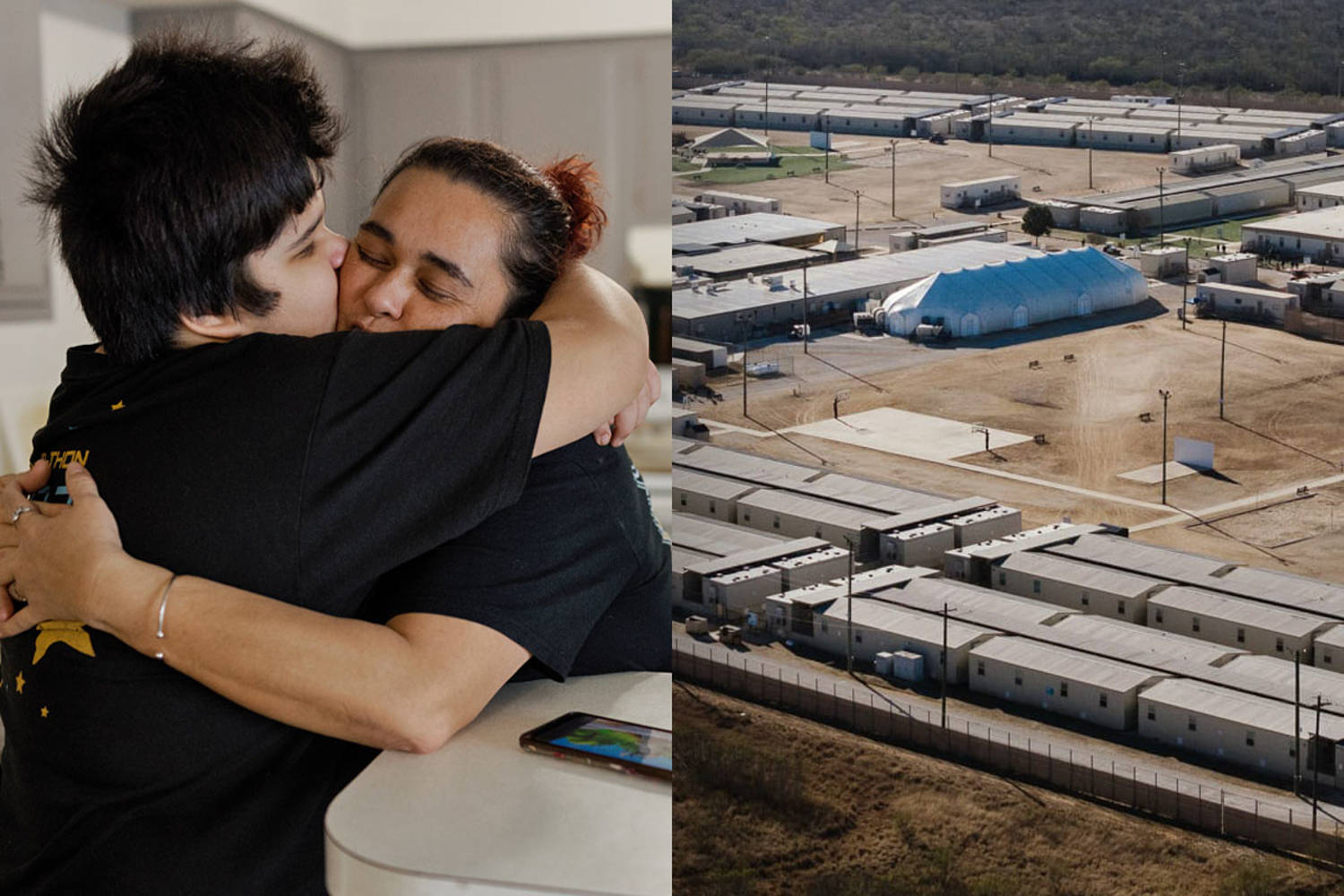
'This place broke something in us': Kids languish in ICE detention long past 20-day limit
#ICE detention #children #20-day limit #psychological harm #immigration enforcement #reform #custody
📌 Key Takeaways
- Children are being held in ICE detention far beyond the 20-day legal limit, causing severe psychological harm.
- The prolonged detention is described as breaking something fundamental in the affected children.
- The situation highlights systemic failures in immigration enforcement and child welfare policies.
- There is an urgent need for reform to protect vulnerable minors in custody.
📖 Full Retelling
🏷️ Themes
Immigration detention, Child welfare
Entity Intersection Graph
No entity connections available yet for this article.
Deep Analysis
Why It Matters
This news matters because it reveals systemic failures in U.S. immigration policy that violate legal protections for vulnerable children. It affects thousands of migrant children who experience prolonged detention despite a legal 20-day limit, potentially causing lasting psychological harm. The situation impacts immigration advocates, policymakers, and the broader public concerned with human rights and government accountability.
Context & Background
- The Flores Settlement Agreement (1997) established a 20-day limit for detaining migrant children in unlicensed facilities.
- ICE (Immigration and Customs Enforcement) detention facilities have faced numerous lawsuits and criticism for conditions and treatment of detainees.
- The number of unaccompanied migrant children arriving at the U.S. border has increased significantly in recent years, straining processing systems.
- Previous administrations have faced similar challenges balancing immigration enforcement with child welfare protections.
What Happens Next
Advocacy groups will likely file additional lawsuits challenging these prolonged detentions. Congressional hearings may be scheduled to investigate ICE's compliance with the Flores Agreement. The administration will face pressure to implement policy changes or increase resources for alternative placement options within the next 3-6 months.
Frequently Asked Questions
The 20-day limit comes from the 1997 Flores Settlement Agreement, which established national standards for detention, release, and treatment of minors in immigration custody. This agreement requires children to be transferred to licensed programs within 20 days, though exceptions exist for certain circumstances.
Children are being held beyond the limit due to processing delays, lack of available sponsors or licensed facilities, and bureaucratic backlogs within the immigration system. Some cases involve complications with sponsor vetting or transportation logistics that extend detention periods.
Prolonged detention can cause anxiety, depression, PTSD, and developmental regression in children. The trauma of confinement compounds existing stress from migration journeys and family separation, potentially creating long-term mental health consequences.
Alternatives include release to qualified sponsors (usually family members), placement in licensed residential facilities, or community-based programs that provide supervision and support. These options aim to balance child welfare with immigration processing requirements.