
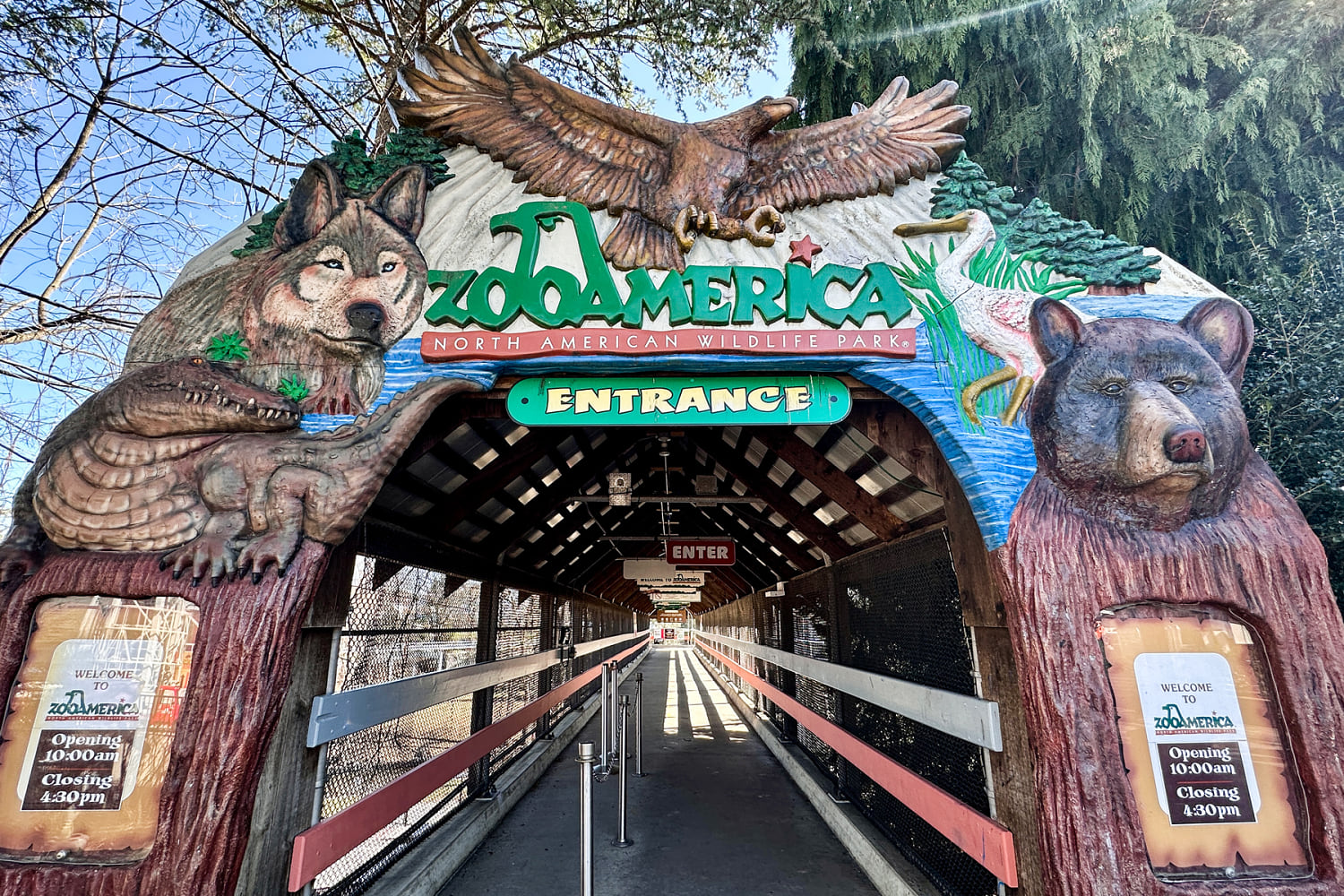
Toddler injured by wolf at Zoo America after crawling under a fence to enclosure
#toddler #wolf #Zoo America #enclosure #fence #injury #wildlife
📌 Key Takeaways
- A toddler was injured by a wolf at Zoo America after crawling under a fence into the enclosure.
- The incident occurred when the child entered the restricted area unsupervised.
- Zoo officials responded immediately to secure the scene and provide aid.
- The child received medical treatment and is expected to recover.
📖 Full Retelling
🏷️ Themes
Zoo Safety, Child Injury
Entity Intersection Graph
No entity connections available yet for this article.
Deep Analysis
Why It Matters
This incident highlights critical safety concerns at zoological facilities where visitor behavior intersects with animal enclosures. It affects zoo management who must review and potentially enhance physical barriers and supervision protocols, animal welfare advocates concerned about animal stress and potential consequences for the wolf, and parents who need to be vigilant about supervising children in wildlife settings. The event also raises questions about liability and emergency response procedures when human-animal interactions turn dangerous.
Context & Background
- Zoo America is a 11-acre zoo located in Hershey, Pennsylvania, featuring North American wildlife and operating since 1910.
- Wolf enclosures typically use multiple layers of protection including fences, moats, and visual barriers to prevent both animal escape and visitor intrusion.
- Similar incidents have occurred at other zoos globally, often resulting in animal euthanasia due to disease testing protocols or behavioral concerns, even when the animal wasn't at fault.
- The Association of Zoos and Aquariums (AZA) accredits facilities based on safety standards that include both animal containment and visitor protection measures.
What Happens Next
Immediate next steps include the toddler receiving medical treatment and the wolf being quarantined for observation. Zoo America will conduct an internal investigation and likely face scrutiny from regulatory bodies. The zoo may implement temporary closure of the wolf exhibit or additional barriers while reviewing all enclosure safety measures. Long-term changes could include modified fencing designs, increased signage, or altered visitor pathways.
Frequently Asked Questions
While decisions vary by institution and circumstance, wolves involved in human contact incidents are often euthanized for rabies testing since live testing isn't possible. However, some facilities quarantine animals instead if vaccination records are current and the animal shows no signs of illness.
Liability typically falls on parents for inadequate supervision, but zoos can also share responsibility if barriers were insufficient or warnings inadequate. Most zoos have posted rules and assume visitors will follow them, but courts may examine whether enclosures met reasonable safety standards.
Serious incidents are relatively rare at accredited zoos, but minor boundary breaches occur periodically. Data from AZA shows approximately 2-3 significant visitor-animal incidents annually across all accredited U.S. zoos, though most don't involve serious injuries.
Standard wolf enclosure safety includes perimeter fencing (often 8-10 feet high), secondary barriers like moats or vegetation buffers, double-door entry systems for keepers, and clear viewing areas that maintain safe distances. Many also use buried fencing to prevent digging.