
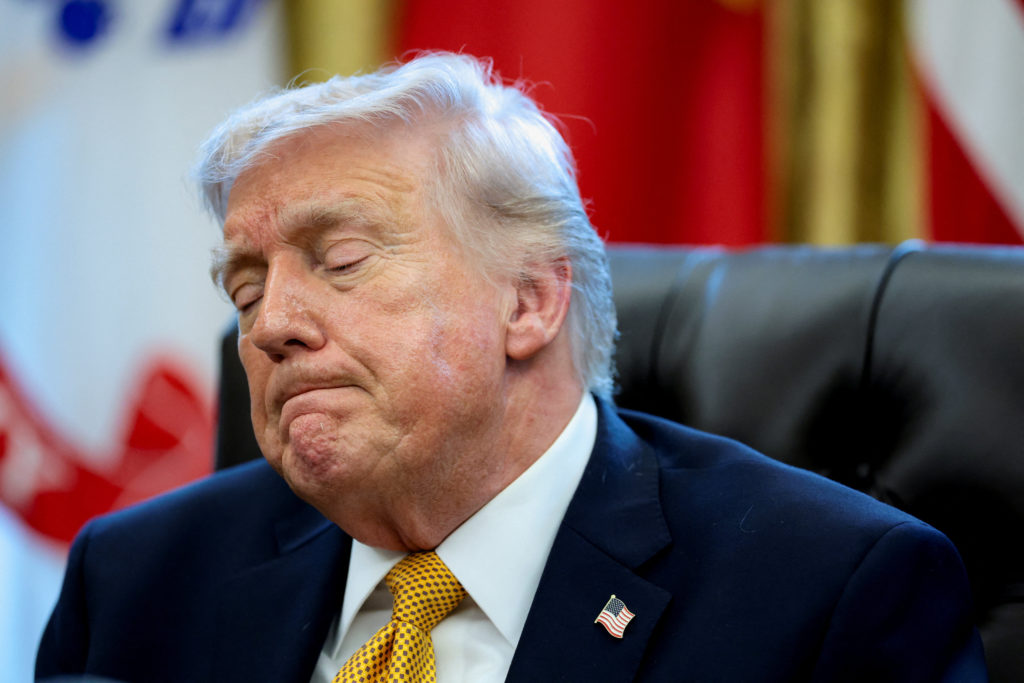
Trump says he's been rejected by NATO, most allies to join mission to secure critical Strait of Hormuz
#Trump #NATO #Strait of Hormuz #military mission #shipping security #allies #oil transit #international waters
📌 Key Takeaways
- President Trump claims NATO rejected his request for increased military contributions
- Most NATO allies are joining a mission to secure the Strait of Hormuz
- The mission aims to protect critical shipping lanes from regional threats
- The Strait of Hormuz is a vital global oil transit chokepoint
📖 Full Retelling
🏷️ Themes
International Security, NATO Relations
Entity Intersection Graph
No entity connections available yet for this article.
Deep Analysis
Why It Matters
This development matters because it signals a significant rift in NATO's collective security approach and highlights growing tensions in one of the world's most critical maritime chokepoints. The Strait of Hormuz handles approximately 20% of global oil trade, making any security mission there crucial for global energy markets and economic stability. The rejection of Trump's proposal affects NATO's unity, U.S. foreign policy credibility, and could embolden Iran's aggressive posture in the region. This impacts energy consumers worldwide, regional stability in the Middle East, and the future of transatlantic security cooperation.
Context & Background
- The Strait of Hormuz is a narrow waterway between Iran and Oman through which about one-fifth of the world's oil passes daily, making it strategically vital for global energy security.
- Tensions in the Strait have escalated since 2019 when Iran seized tankers and attacked vessels, leading to previous U.S.-led maritime security initiatives like Operation Sentinel.
- NATO operates on consensus decision-making where all 31 member states must agree, and European allies have historically been cautious about military actions that could escalate conflict with Iran.
- The Trump administration withdrew from the Iran nuclear deal (JCPOA) in 2018 and implemented maximum pressure sanctions, creating the current tense environment in the Persian Gulf.
- This isn't the first NATO disagreement under Trump - he previously criticized allies for insufficient defense spending and threatened to withdraw from the alliance entirely.
What Happens Next
European allies will likely pursue diplomatic channels with Iran while maintaining limited naval presence in the region through existing frameworks. The U.S. may proceed with a smaller coalition outside NATO structures, potentially including Gulf Arab states. Expect increased diplomatic efforts at the UN Security Council to address Strait security, and watch for Iran's response which could include further naval exercises or harassment of commercial shipping. The issue will likely feature prominently at the next NATO summit in July 2024.
Frequently Asked Questions
European allies fear that a NATO-led mission could escalate tensions with Iran and undermine diplomatic efforts to revive the nuclear deal. Many European countries maintain economic ties with Iran and prefer diplomatic solutions over military posturing in the sensitive region.
A blockade would cause immediate global oil price spikes, potentially triggering economic recessions worldwide. Approximately 20% of global oil supply would be disrupted, affecting everything from transportation costs to manufacturing and energy prices across continents.
This rejection further strains transatlantic relations already damaged by disagreements over Ukraine funding, China policy, and defense spending. It demonstrates declining European willingness to follow U.S. leadership on Middle East security matters.
Options include expanding existing multinational coalitions like the International Maritime Security Construct, increasing UN mediation efforts, or creating regional security arrangements involving Gulf Cooperation Council countries with limited Western involvement.
Iran likely sees NATO's rejection as a diplomatic victory that weakens U.S. regional influence. However, Tehran remains concerned about any international military presence near its waters and may increase its own naval exercises in response.